SciTech Institute Brings STEM to Every Corner of Arizona
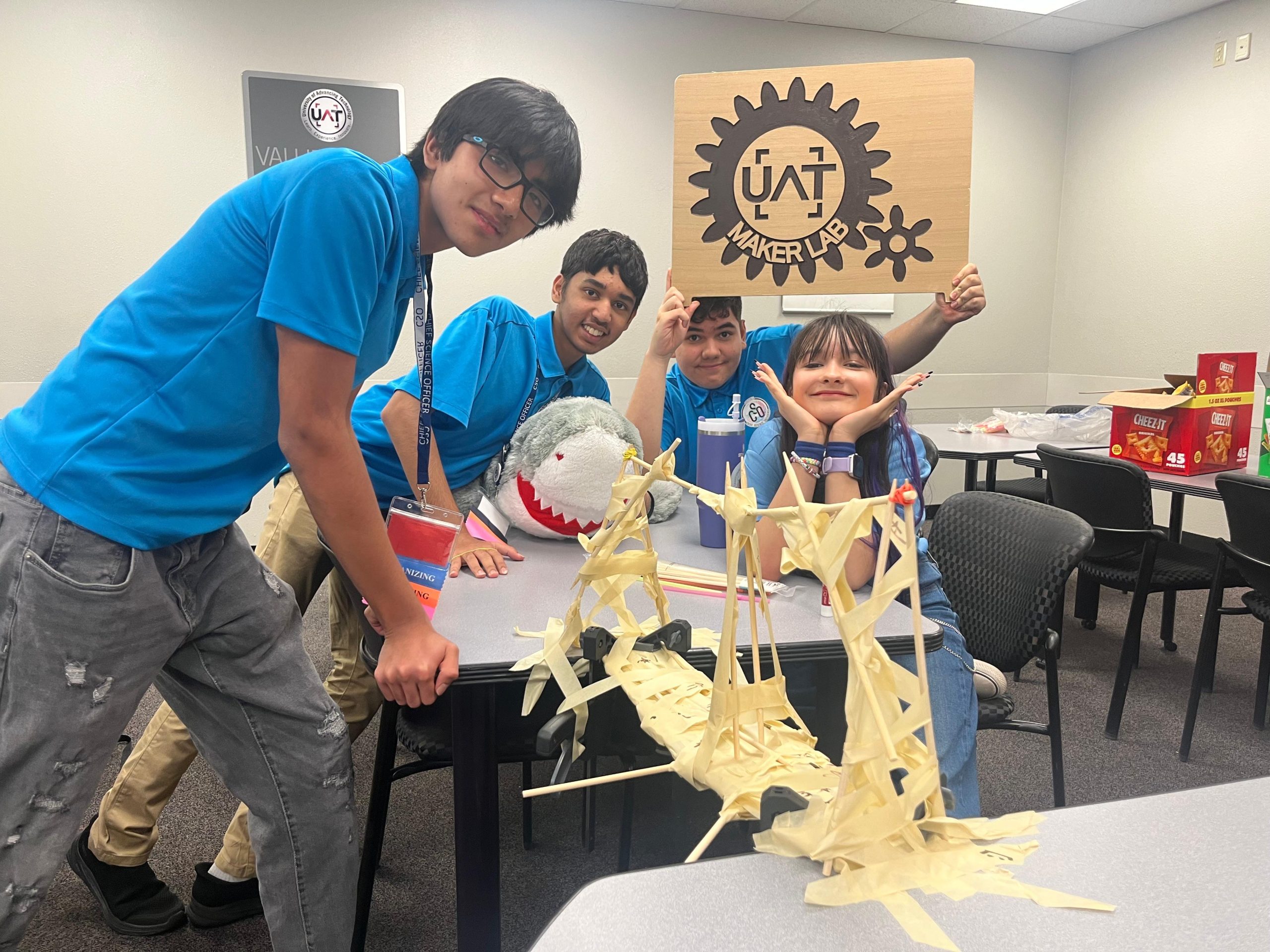
SciTech Institute is working to make sure that science, technology, engineering, and math aren’t out of reach for any student in Arizona, no matter their zip code. The organization serves the state’s entire STEM ecosystem — students, educators, families, schools, nonprofits, businesses, and community organizations alike — with a particular focus on reaching urban, suburban, rural, and tribal communities that don’t always have equal access to STEM opportunities.
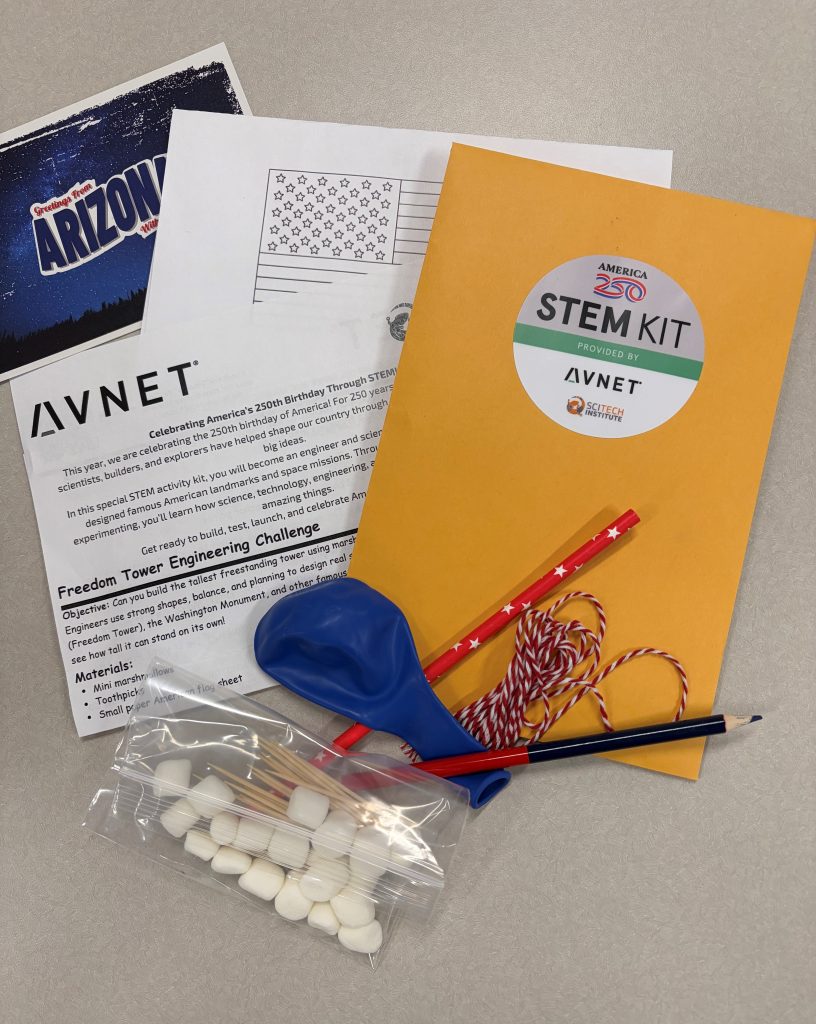
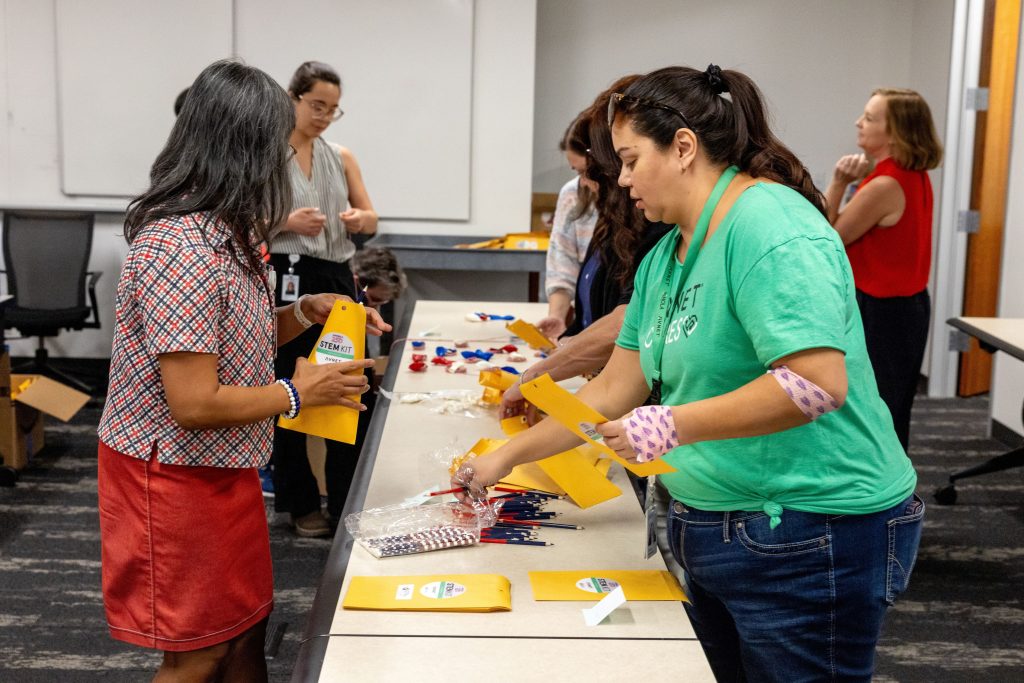
Through initiatives like the Chief Science Officers program, which elects students in grades 6–12 to lead STEM change in their own schools and communities, and the statewide Arizona SciTech Festival, the organization turns STEM from something students learn about into something they actively shape. Its Science For All activities and STEM for All Kits — modeled on the community Little Free Library concept — put hands-on science within reach of kids in schools, libraries, and afterschool programs, without the need for costly equipment.
SciTech Institute recently received a small grant from Kars4Kids. As the backbone organization of the Arizona STEM Ecosystem, SciTech Institute continues to connect educators, industry, and community partners so that good ideas can travel farther across the state.
We put some questions to Dr. Jeremy Babendure, Executive Director of SciTech Institute, to find out more.
Kars4Kids: Who does SciTech Institute serve — which students, schools, or communities across Arizona?
Dr. Jeremy Babendure: SciTech Institute really serves the entire STEM ecosystem in Arizona. That includes students and educators, but also families, schools, nonprofits, businesses, workforce partners, and community organizations. A big part of our work is making sure STEM opportunities aren’t concentrated in just a few places. We work across urban, suburban, rural, and tribal communities throughout the state, connecting people with programs, resources, and partnerships that can strengthen STEM education and career pathways locally.

Kars4Kids: What is the Chief Science Officers program, and how does it turn students into STEM leaders rather than just STEM learners?
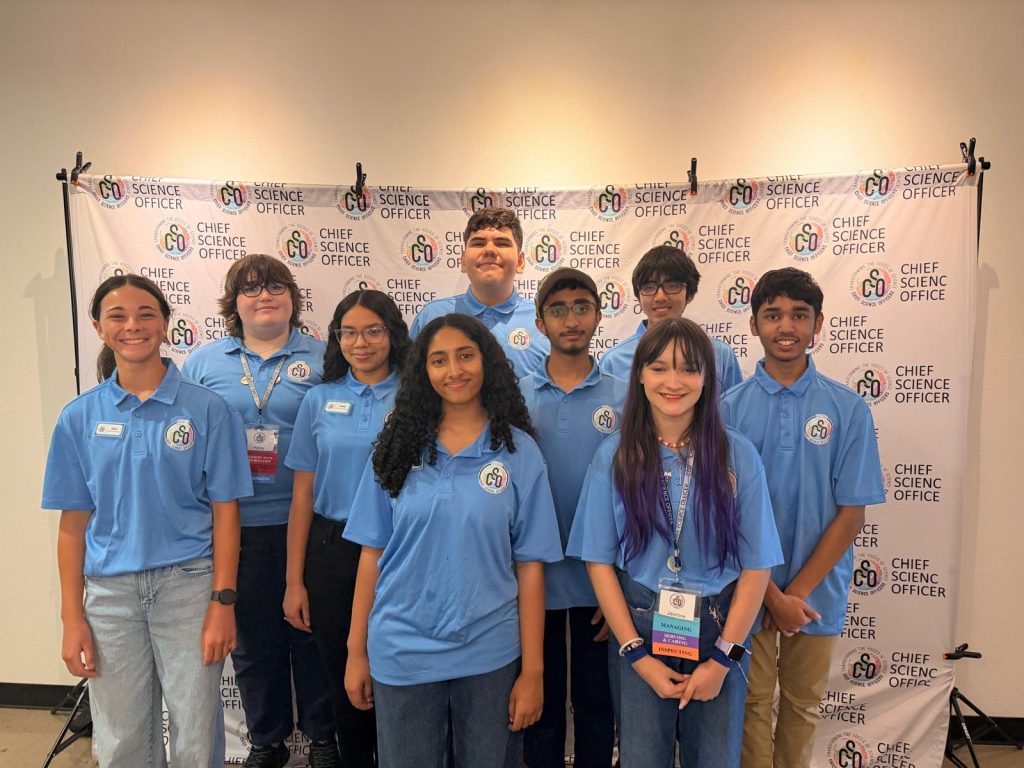
Dr. Jeremy Babendure: Chief Science Officers, or CSOs, are students in grades 6–12 who are elected by their peers to serve as STEM leaders in their schools and communities. What makes the program different is that we’re giving students a voice and the tools to create change. CSOs identify something they want to improve, develop an Action Plan, build partnerships, and put that plan into practice. Along the way, they’re developing communication, leadership, networking, and problem-solving skills. They begin to see that they don’t have to wait until they’re adults to contribute to STEM or make an impact in their communities.
Kars4Kids: The CSO program has expanded beyond Arizona — what does that growth tell you about the need for student-led STEM leadership elsewhere?
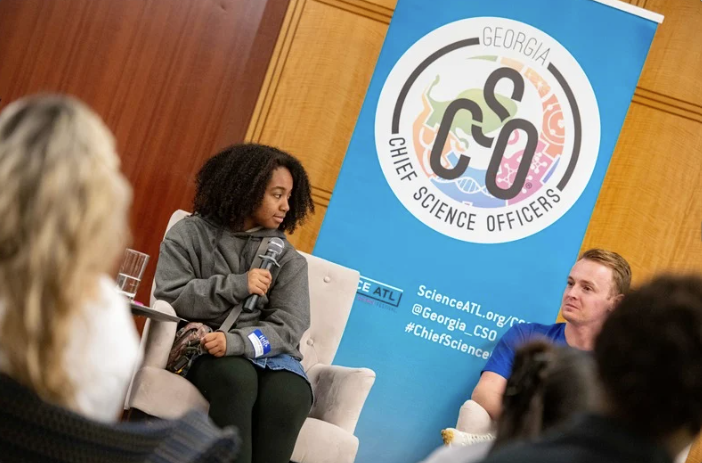
Dr. Jeremy Babendure: The growth of the program shows us that the need isn’t unique to Arizona. Young people everywhere want opportunities to contribute, lead, and have their ideas taken seriously. The CSO model gives communities a framework for making that happen. Today, the program reaches students across multiple states and internationally, and while every community adapts it to its own needs, the underlying idea remains the same: students have valuable perspectives on STEM, education, and the future of their communities, and they should have a seat at the table.
Kars4Kids: What happens during the Arizona SciTech Festival, and how does it work toward making STEM feel accessible to people who might not otherwise engage with it?
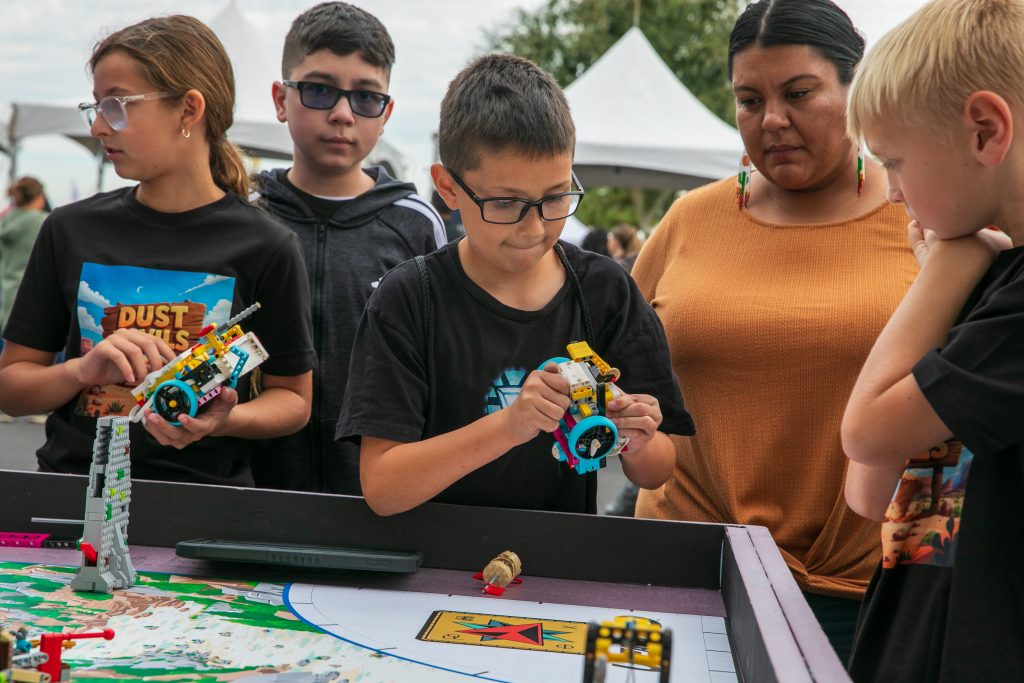
Dr. Jeremy Babendure: The Arizona SciTech Festival is a statewide celebration of STEM that brings hands-on experiences directly into communities. Each year, communities, businesses, universities, museums, schools, and other organizations host events where families can explore science and technology in ways that are interactive and relevant to their everyday lives. You might see everything from aerospace and robotics to health sciences, sustainability, engineering, and local STEM careers. The goal is to meet people where they are and create opportunities where someone can say, “I can do this. STEM is for me.”
Kars4Kids: What is Science For All, and how does it address the gap in who typically gets access to STEM opportunities?
Dr. Jeremy Babendure: Science For All is about removing some of the practical barriers that can keep young people from experiencing hands-on STEM. We provide activities and resources that can be used in schools, libraries, afterschool programs, community organizations, and other places where kids already spend their time. The activities are designed to be approachable and engaging without requiring expensive equipment or specialized facilities. That allows us to bring meaningful STEM experiences into communities where access to those opportunities may otherwise be limited.
Kars4Kids: SciTech Institute serves as the backbone of the Arizona STEM Ecosystem — what does that coordinating role add that individual schools or organizations couldn’t do alone?
Dr. Jeremy Babendure: Arizona has incredible organizations doing STEM work, but no single organization can address the state’s needs by itself. Our role as a backbone organization is to help connect those efforts so people can share resources, identify gaps, learn from one another, and build solutions together. We bring education, industry, government, nonprofits, and community organizations into the same conversations. That coordination helps good ideas travel farther and helps communities avoid having to reinvent something that may already be working somewhere else in Arizona.
Kars4Kids: What are the STEM for All Kits, and how do they put hands-on science within reach of kids who might not otherwise have it?
Dr. Jeremy Babendure: STEM for All Kits takes the familiar idea of a community Little Free Library and expands it to include hands-on STEM resources. Through our STEM kit program, kids and families can pick up activities that allow them to experiment, build, and problem-solve on their own. We work with community partners to place these resources where families can easily access them. A young person shouldn’t necessarily need to enroll in a special program, travel across town, or have expensive materials at home to explore STEM.
Kars4Kids: What’s next for SciTech Institute?
Dr. Jeremy Babendure: One of the biggest areas of growth for us is connecting STEM education more intentionally with workforce development. We’ve spent years building programs and partnerships that get students excited about STEM, and now we want to make the pathways between that interest and future careers even clearer.
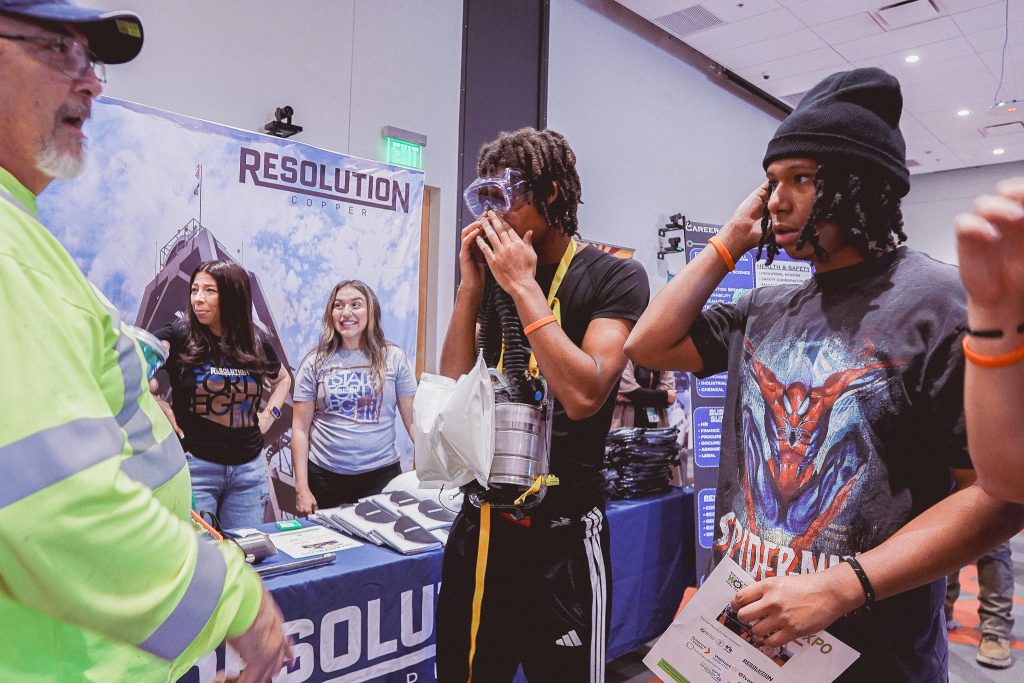
One way we’re doing that is by developing a dedicated Workforce Zone within the Arizona SciTech Festival. The Festival already has a successful model for bringing families, students, educators, and STEM organizations together, so the Workforce Zone gives us an opportunity to integrate career readiness into that experience. Students can have a great hands-on STEM experience while also beginning to understand, “What careers connect to this? What skills would I need? What could my pathway look like?”
That connects closely with our Skills Maps work, which brings education and industry partners together to identify the skills students need for high-demand careers, as well as our Worlds of Work initiatives, where students can interact directly with employers and experience different career fields firsthand.
Ultimately, we want young people to see a much clearer connection between what they’re learning, the STEM experiences available in their communities, and the opportunities waiting for them in Arizona’s workforce. At the same time, we’re helping educators, employers, and community partners work together so those pathways are easier for students to navigate. That alignment between education, community, and workforce is going to be a major focus for SciTech Institute moving forward.