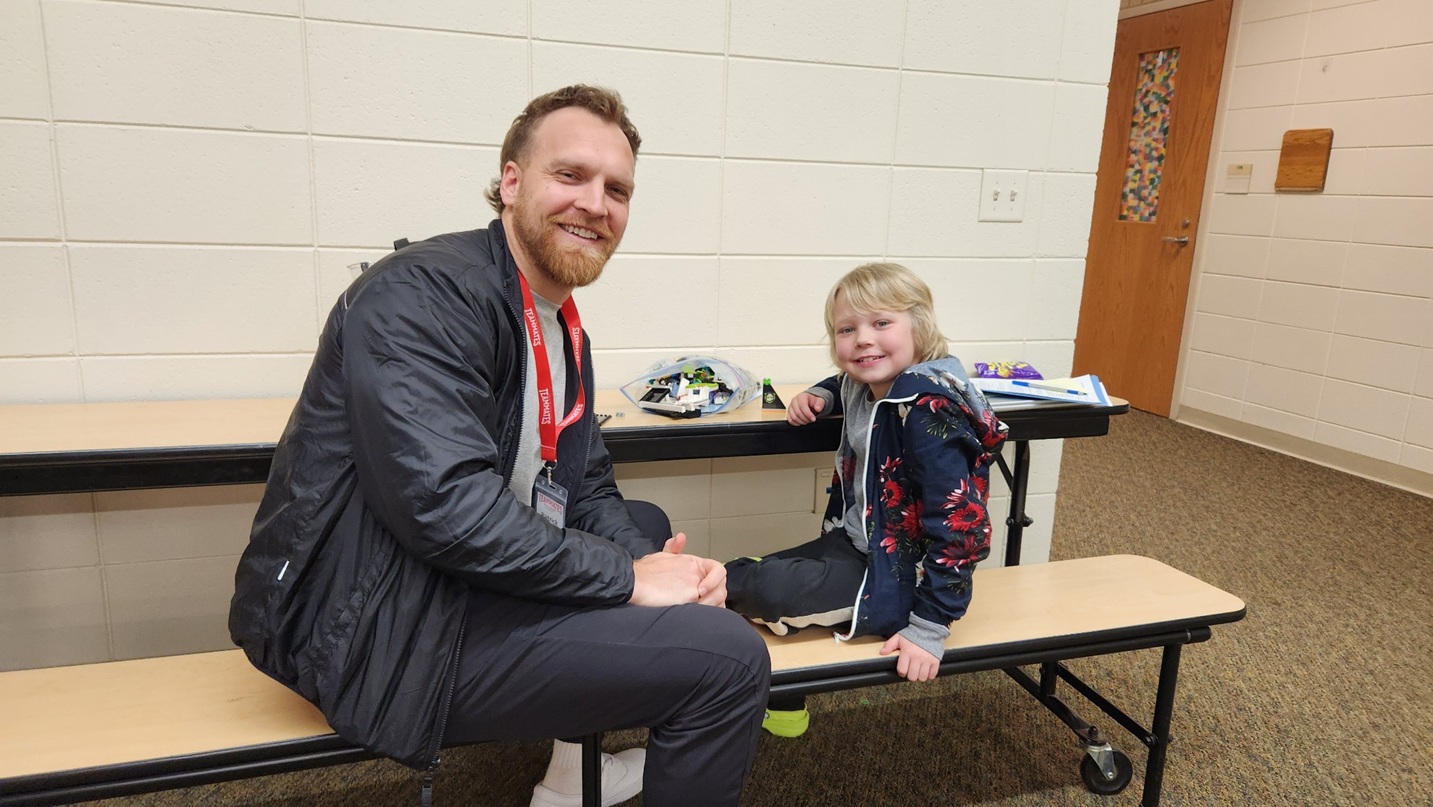
Rapid City TeamMates Helps Students Thrive with In-School Mentoring
Rapid City TeamMates (RC TeamMates), a school-based mentoring program in Rapid City, South Dakota, is making a lasting impact on students from grades 3–12 by connecting them with caring adult mentors during the school day. In a region where students often face social-emotional challenges, confidence gaps, or limited support outside the home, RC TeamMates offers consistent, one-to-one mentoring that helps students feel seen, supported, and capable of meeting their goals.
Kars4Kids awarded a small grant to RC TeamMates because their approach aligns so well with our own mission: helping children thrive through positive relationships and community investment. By working directly within schools and prioritizing long-term connections, this program is helping young people build resilience, motivation, and hope for the future.
We spoke with RC TeamMates Program Coordinator Micah Brandsrud to learn more about the program’s reach and impact.
Kars4Kids: RC TeamMates supports students in Rapid City through a school-based mentoring model. Can you describe the youth you serve—what grades or ages are involved, and what kinds of needs or challenges make mentoring important in your community?
Micah Brandsrud: RC TeamMates serves students in Rapid City Area Schools in grades 3 through 12. Our program is open to any student, because every young person benefits from encouragement and positive connection. It is estimated that 1 in 3 young people grow up without a mentor outside of their family, so access to a caring and consistent adult really matters in our community.
Many of our students value the time they have with a mentor because it gives them a meaningful break in their school day. It is a chance to connect with someone who listens, focuses entirely on them, and helps them feel supported and understood. For some students this strengthens confidence, belonging, and motivation. For others it simply means knowing that someone believes in them and shows up every week.
Whether a student is in 3rd grade learning to build confidence or in 10th grade navigating school and planning for the future, mentoring makes a difference. Having someone in your corner who cares, encourages, and supports you can help any student feel more connected, hopeful, and capable.
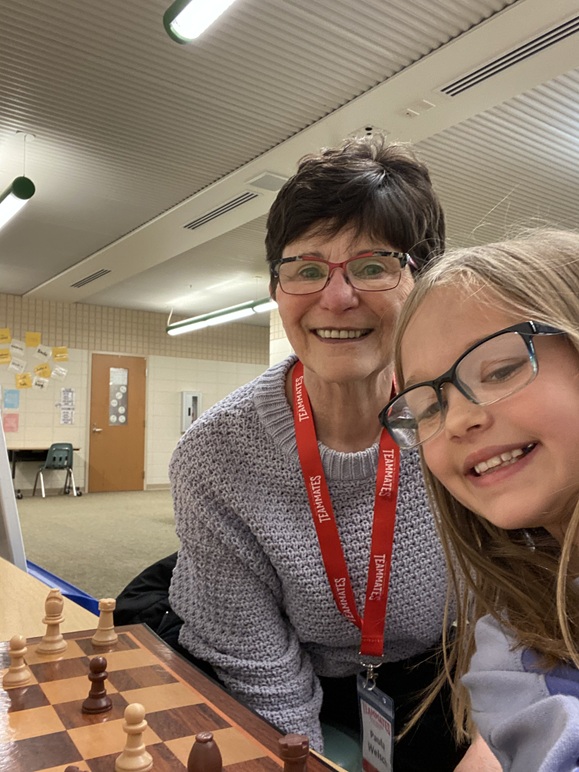
Kars4Kids: What makes the one-to-one, in-school mentoring approach especially effective? What are the benefits of keeping the relationship within the school setting?
Micah Brandsrud: The one to one, in-school mentoring approach is especially effective because it removes barriers and makes support both consistent and accessible. When mentoring happens at school, students are already in a familiar, trusted environment and they do not need transportation, extra scheduling, or family resources in order to participate. That helps ensure equity and allows mentoring to be available to students who might otherwise miss out.
Meeting during the school day also supports consistency. Mentors show up regularly, and students know they can count on that time. That predictability is powerful for building trust, confidence, and emotional safety. It is also easier for mentors and school staff to stay connected, so the support students receive aligns with what they are working on in school, whether that is social emotional growth, engagement, or academic confidence.
Keeping the relationship within the school setting strengthens belonging as well. Students often describe mentoring as a positive break in their day, a chance to breathe, reset, and connect with someone who is fully focused on them. When students feel seen and supported at school, they are more engaged, more hopeful, and more connected to their learning community.

Kars4Kids: What kind of training and support do mentors receive before they’re matched with students? How do you ensure that these relationships are strong and lasting?
Micah Brandsrud: Mentors complete an application, background check, and training before being matched with a student. Training covers the TeamMates philosophy, relationship building, healthy boundaries, confidentiality, and the importance of showing up consistently. We emphasize that mentors are caring, trusted adults, not tutors or counselors.
Matches are made thoughtfully based on shared interests, personality, and sometimes similar life experiences. This helps create an immediate connection and a strong foundation of trust, making it easier for the relationship to grow.
Once matched, mentors receive ongoing support through regular check-ins, guidance from our program coordinator, and additional training opportunities focused on youth development, communication, and cultural awareness. By preparing mentors well, supporting them along the way, and matching them carefully, we help ensure these relationships are consistent, meaningful, and long lasting.

Kars4Kids: What does a typical mentoring session look like? What do mentors and students do together, and how do you structure those weekly meetings?
Micah Brandsrud: A typical mentoring session takes place once a week during the school day and usually lasts 30 to 60 minutes. Meetings are scheduled around the student’s school day so they do not miss core class time.
Sessions are mentee led, meaning the student decides what they want to do with their mentor. This can include talking, playing games, playing basketball, working on projects, or setting small goals. The focus is on building a strong relationship and offering encouragement.
By meeting consistently in a familiar school setting and letting students take the lead, mentors help students feel seen, supported, and more confident socially and emotionally.
Kars4Kids: How long do mentor-mentee relationships typically last? Do you find that many mentors continue working with the same student year after year?
Micah Brandsrud: Mentor-mentee relationships in RC TeamMates are designed to be long term. On average, matches last several years, often continuing from upper elementary through high school. In the last few years of our program, we have had several matches that started in middle school and continued all the way through high school graduation. Consistency is a key part of the program because students benefit most when they have a stable, caring adult who meets with them week after week.
Many mentors do continue meeting with the same student year after year. Long-term relationships allow mentors to really understand their mentee, celebrate their successes, and support them through challenges. Students value that reliability and trust, and mentors often tell us that seeing a student grow over time is one of the most rewarding parts of the experience.
Kars4Kids: What are some of the biggest misconceptions people have about mentoring? What would you say to someone considering becoming a mentor with RC TeamMates?
Micah Brandsrud: One of the biggest misconceptions about mentoring is that you have to fix a student or solve all their problems. In reality, mentoring is about showing up consistently, listening, encouraging, and building a positive, trusting relationship. Even small actions such as playing a game, having a conversation, or simply being present can make a huge difference.
Another common misconception is that mentoring requires a huge time commitment or special skills. With RC TeamMates, mentors commit to just one school hour each week, and we provide training, guidance, and ongoing support. You do not need to be a teacher or counselor, you just need to care and be willing to show up.
To someone considering becoming a mentor, I would say that this is one of the most rewarding ways to make a difference in a young person’s life. You get to see them grow, build confidence, and develop hope for the future. It is a simple commitment that has a powerful and lasting impact.
Kars4Kids: Looking ahead, what are your goals for RC TeamMates? Are there plans to grow the program, reach more students, or deepen support in new ways?
Micah Brandsrud: Currently, RC TeamMates is active in 16 of the 22 schools in Rapid City Area Schools. Our goal is to make a mentor available for every student who wants one throughout the district. Right now, we have 88 active matches, and we hope to reach 100 by the end of this school year.
Looking ahead, we also want to continue strengthening the support we provide. This includes offering more training and guidance for mentors, finding new ways to engage students, and collaborating closely with school staff to meet students’ social, emotional, and academic needs.
Our ultimate vision is to create a network of caring adults in every school so that every student has someone in their corner, helping them build confidence, resilience, and hope for the future.