Read With Me Volunteer Programs: Where Reading Practice Builds Confidence
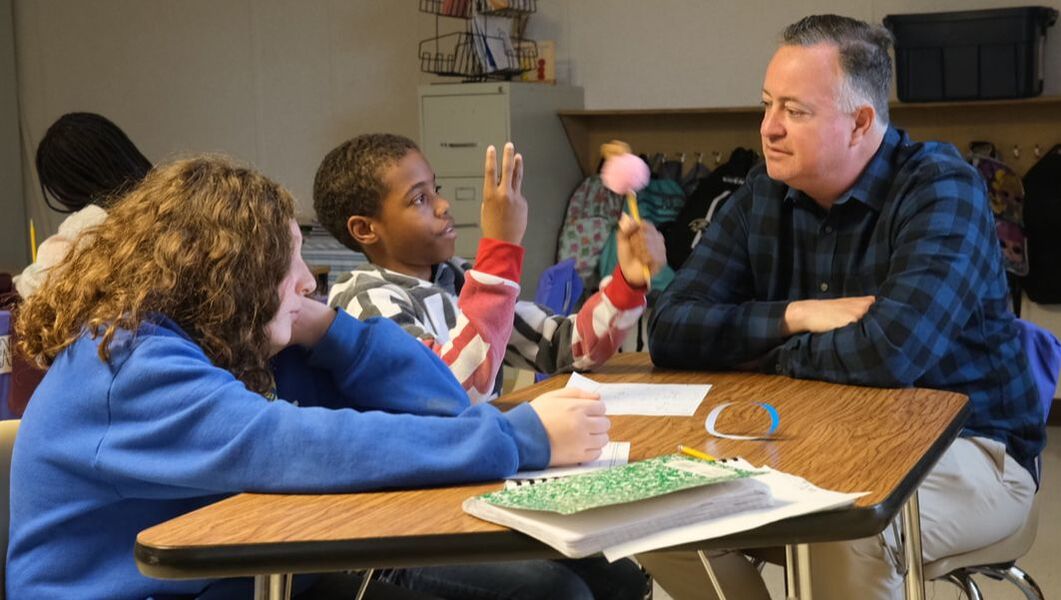
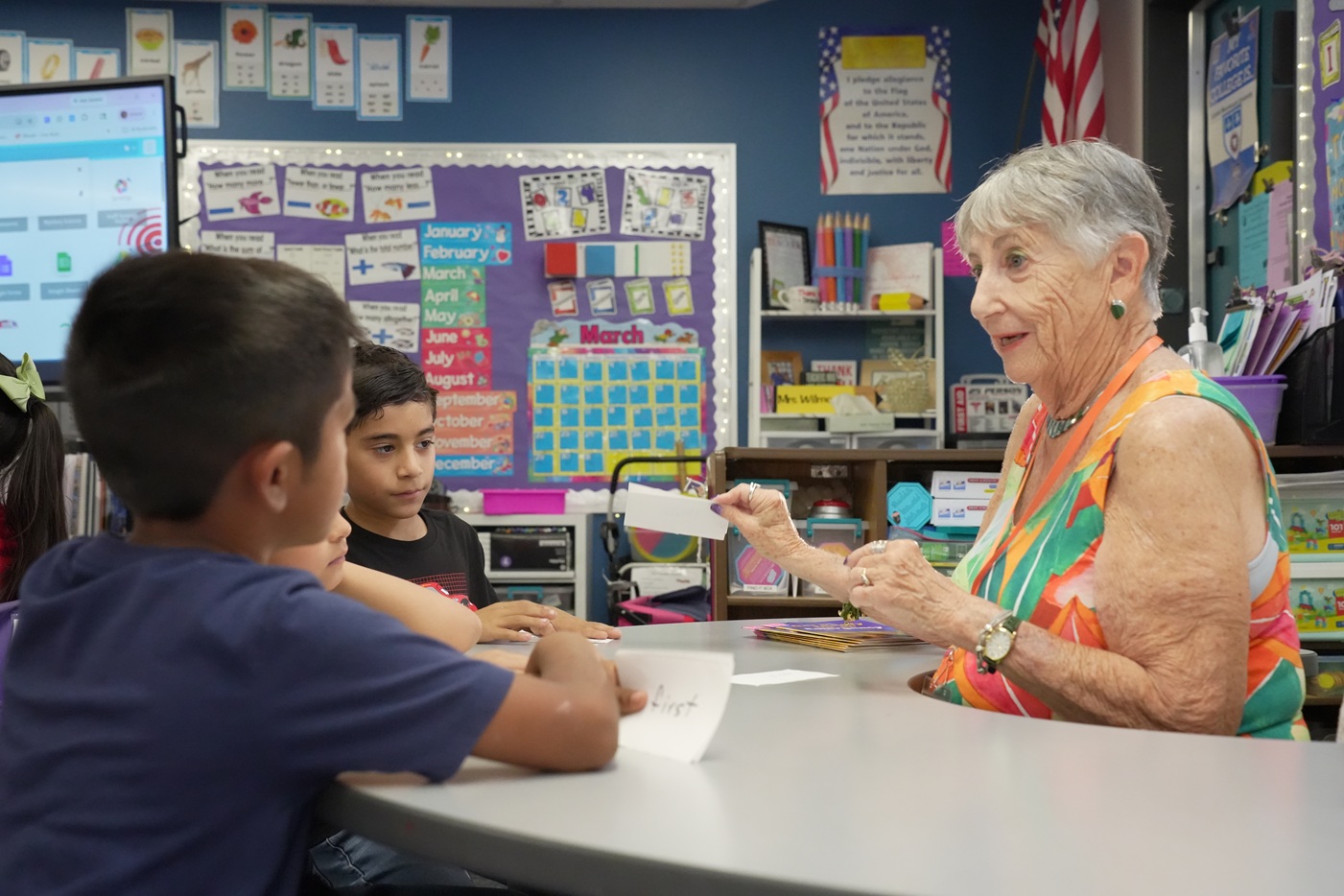
Read With Me Volunteer Programs brings caring adults into Coachella Valley classrooms to help children learn to read and understand English. For students learning a new language while keeping up with other school subjects, a patient listener can make reading aloud feel less daunting. Working under teachers’ direction, volunteers give children time to practice, ask questions, and discover what they can do.
Most of those volunteers are retired adults, bringing decades of life experience to relationships that often continue beyond a single school year. Children read to them individually or in small groups, with help along the way. The organization also puts books into children’s hands to take home and keep, giving young readers more opportunities to explore their interests and share stories with their families.
We’re pleased to support Read With Me through our small grants program. Its combination of reading practice, access to books, and steady encouragement reflects our commitment to helping children learn and grow. We put some questions to Executive Director Sean Webb to learn more.
Kars4Kids: Tell us about the children Read With Me serves. What are their ages and backgrounds, and what challenges do they face when it comes to learning to read English?
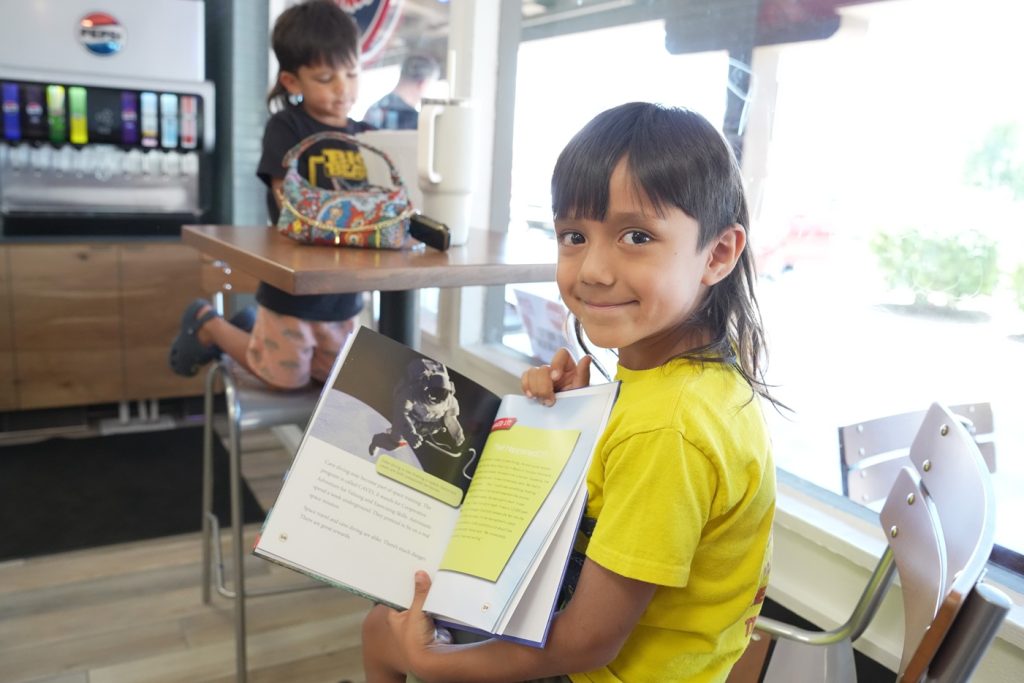
Sean Webb: We serve children from transitional kindergarten through sixth grade, primarily in low-income Coachella Valley communities. Most are Hispanic, and many are learning English while keeping up with other school subjects. Limited access to books, fewer opportunities to practice English, and pandemic-related learning gaps create challenges. Our volunteers provide practice, encouragement, and individual attention.
Kars4Kids: What prompted the founding of Read With Me? How did the program first get volunteers into classrooms?
Sean Webb: Roberta and Clay Klein founded Read With Me after local leaders identified literacy as a pressing need. Superintendent Tut Pensis welcomed their offer to recruit English-speaking classroom volunteers and arranged transportation from the western valley. Sacred Heart Church helped recruit participants. In fall 2004, about 200 people visited Mecca Elementary, and 100 became volunteers.
Kars4Kids: A key part of your program is that the children read to the volunteers. Why is this important, and how do volunteers help when a child gets stuck?
Sean Webb: Reading aloud gives children practice and helps volunteers recognize difficulties with words, pronunciation, or comprehension. When students get stuck, volunteers offer patient assistance using the teacher’s materials and guidance. We want children to understand what they read, not simply pronounce the words. Individual attention helps make reading a positive, confidence-building experience.
Kars4Kids: Your volunteers work under the classroom teacher’s direction. Can you walk us through a typical session, including how teachers decide which children need help?
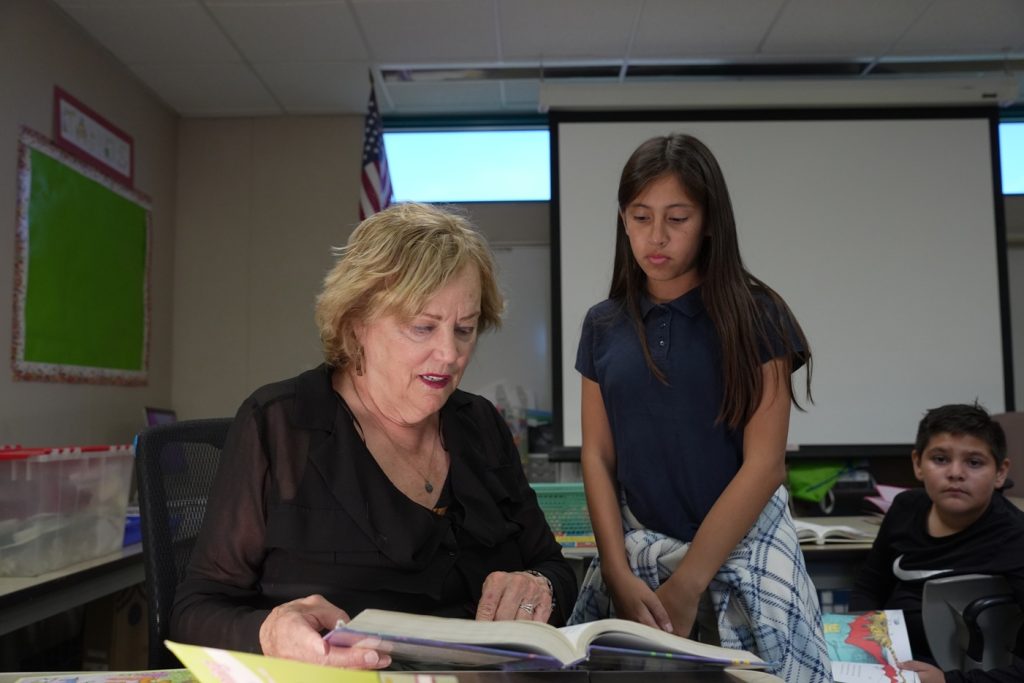
Sean Webb: Teachers identify students who need additional English-language support and choose their reading materials. Volunteers work with individuals, pairs, or small groups as directed. Children read aloud while volunteers help with pronunciation and understanding. Some sessions include reading together. The teacher guides instruction; our volunteers provide additional practice and encouragement.
Kars4Kids: Most of your volunteers are retired, ranging in age from 55 to 95. What do they bring to their work with the children, and what does the experience give them in return?
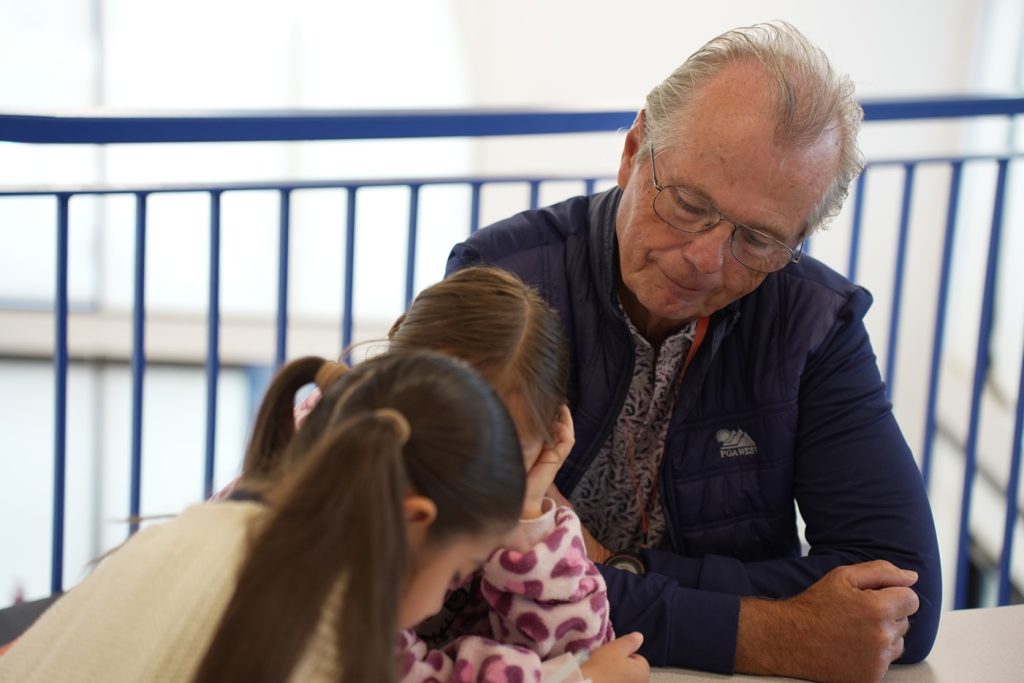
Sean Webb: Our volunteers bring patience, life experience, and a genuine commitment to children. They become mentors who notice effort and celebrate progress. In return, they gain meaningful relationships and the satisfaction of helping a child succeed. Those connections often continue beyond a single school year and keep volunteers coming back.
Kars4Kids: How do you prepare volunteers who have never taught reading or worked with children learning English?
Sean Webb: Volunteers complete district screening requirements and receive initial training covering program expectations, school procedures, and assignments. Training happens in person and through Zoom. The Riverside County Office of Education also provides science-of-reading instruction. In classrooms, volunteers use teacher-selected materials, with coordinators supporting their placements. They join a team rather than work alone.
Kars4Kids: Your application mentions adopting a “21st century definition of literacy.” What does that mean, and how does it shape your work with elementary school children?
Sean Webb: For us, literacy means understanding information, communicating ideas, and using reading to learn—not simply recognizing words. We connect foundational reading skills with comprehension, spoken English, and curiosity. Diverse books, science-related reading, and community literacy activities help children explore their world and become more confident learners.
Kars4Kids: Read With Me supplied 89,000 books to the community in 2025. How do you choose the books and get them into children’s hands?
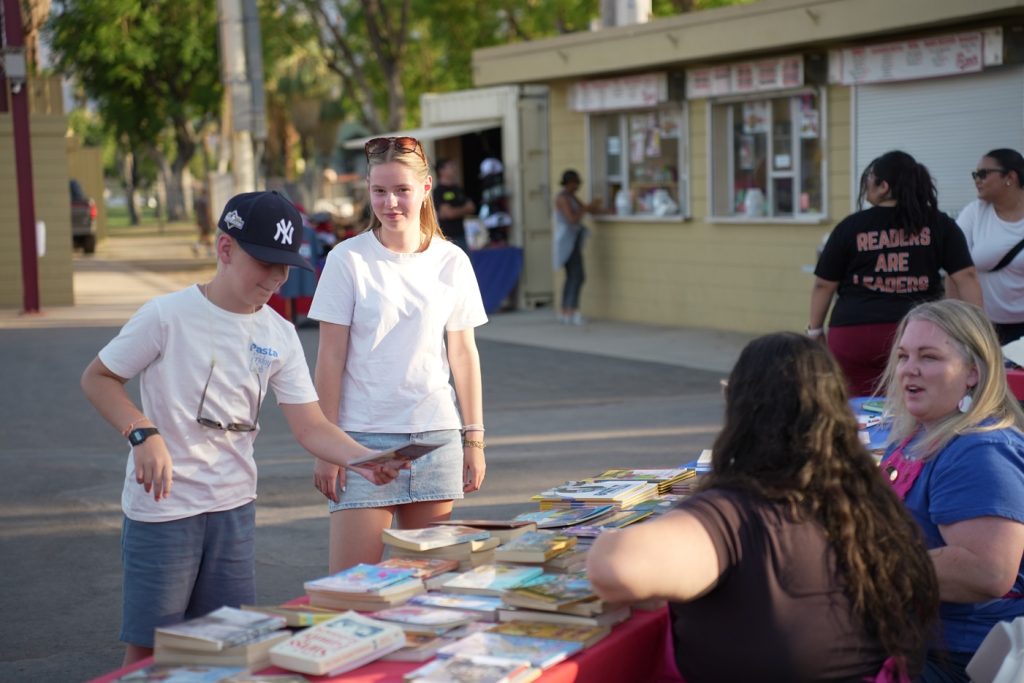
Sean Webb: We select age-appropriate books that reflect children’s interests, reading needs, and diverse backgrounds. Students choose books to take home and keep during school distributions. We also distribute books through community events and partner organizations. Purchases, book drives, and publisher donations supply the books, while volunteers sort, label, and distribute them.
Kars4Kids: Your mission includes helping children understand that people care about them as individuals. Can you share a story that shows how a volunteer’s attention changed a child’s confidence or willingness to read?
Sean Webb: A volunteer named Denice worked with a child who had not spoken at school for years. During their quiet, individual sessions, she helped him feel safe. One day, he answered a question and began reading in a whisper, then finished the entire book. His smile showed what that breakthrough meant. It reminds us that trust can help children show their abilities.
Kars4Kids: You’re adding five schools and recruiting 100 additional volunteers. What does it take to bring Read With Me to a new school, and what would you most like to accomplish as the program grows?
Sean Webb: We need district approval, teacher participation, trained and cleared volunteers, funding, and sometimes transportation. Community partners help recruit volunteers and sustain support. As we expand, preserving quality matters most. We want more children to receive consistent attention, improve their reading and comprehension, and know someone cares about their success.