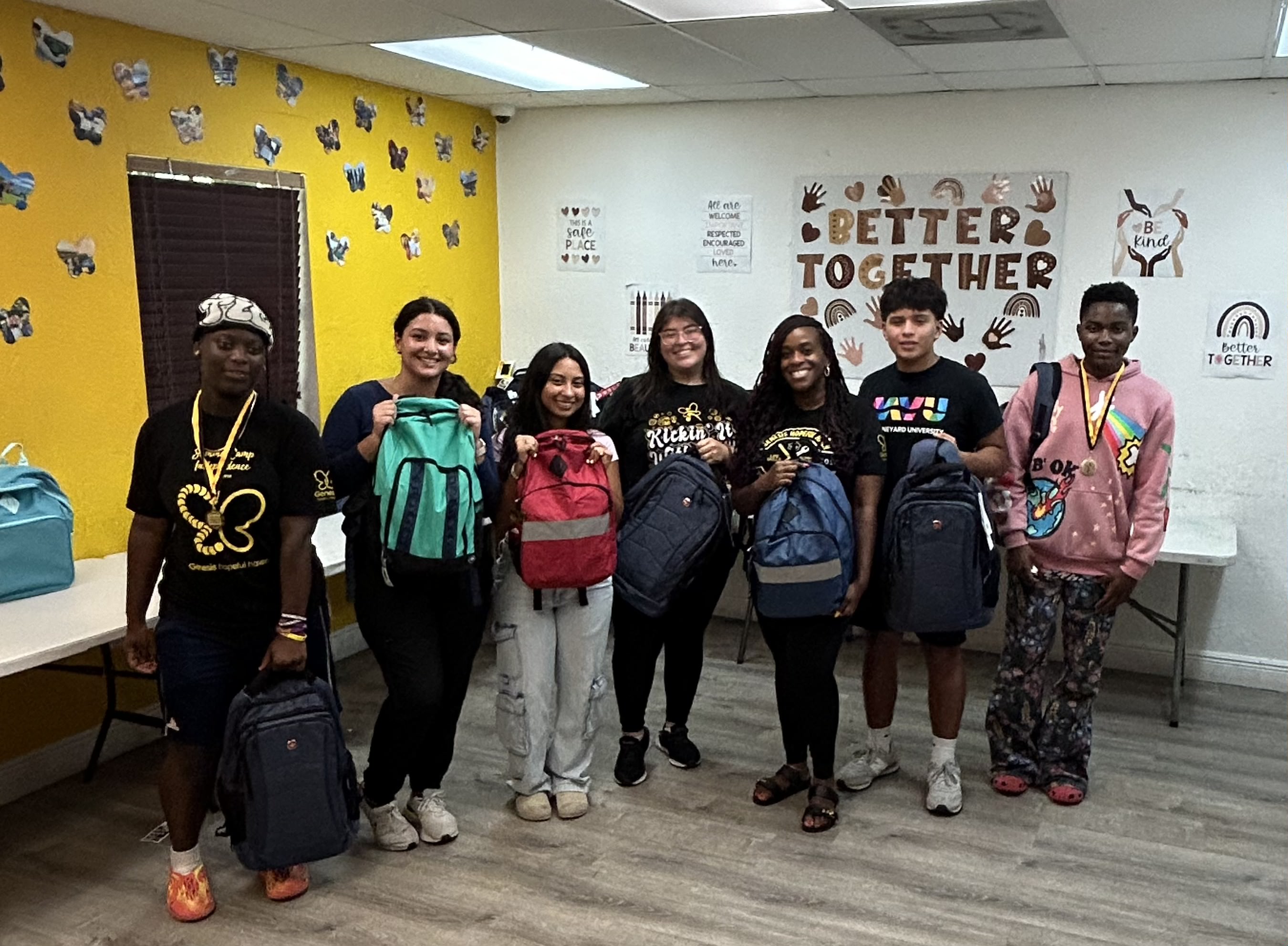
Genesis Hopeful Haven Helps Foster Youth Build Stable, Hopeful Futures
Genesis Hopeful Haven (GHH) supports foster youth and young adults by providing the stability, guidance, and opportunities many lack after years in the child welfare system. Serving youth ages 10 to 25, the Miami-based nonprofit operates residential homes designed to help teens and young adults move toward independence while still surrounded by caring mentors and structured support. In addition to safe housing, GHH offers tutoring, character development, mentorship, and hands-on instruction in everyday life skills such as budgeting, cooking, and career preparation—tools many foster youth have never had the chance to learn.
Beyond meeting basic needs, Genesis Hopeful Haven works to broaden the horizons of the young people it serves. Youth participate in enrichment programs, camps, and educational trips that introduce them to places and experiences they might otherwise never encounter, from visits to national parks and cultural landmarks to travel opportunities beyond their home communities. Kars4Kids recently awarded a small grant to Genesis Hopeful Haven after the organization stood out for the thoughtful, compassionate services it provides to foster youth and those aging out of the system. To learn more about this important work, we put some questions to Genesis Hopeful Haven (GHH) CEO/President Fritzie Saintoiry.
Kars4Kids: To begin with, can you tell us about the young people Genesis Hopeful Haven you serve? What are some of the challenges they face?
Fritzie Saintoiry: At GHH, we serve youth ages 10-25 who are currently in foster care or who have aged out of the system. Many of the young people we work with have experienced trauma, neglect, abuse, and instability. Some have been separated from siblings or moved from home to home and school to school multiple times. As they approach adulthood, they often face additional challenges such as housing and food insecurity, limited financial literacy, lack of consistent adult support, and untreated mental health needs. Our goal at GHH is to provide stability, guidance, and a nurturing environment where they can begin to heal and build a solid foundation for their futures.
Kars4Kids: Can you tell us why you chose the name “Genesis Hopeful Haven?” What is the symbolism of this name?
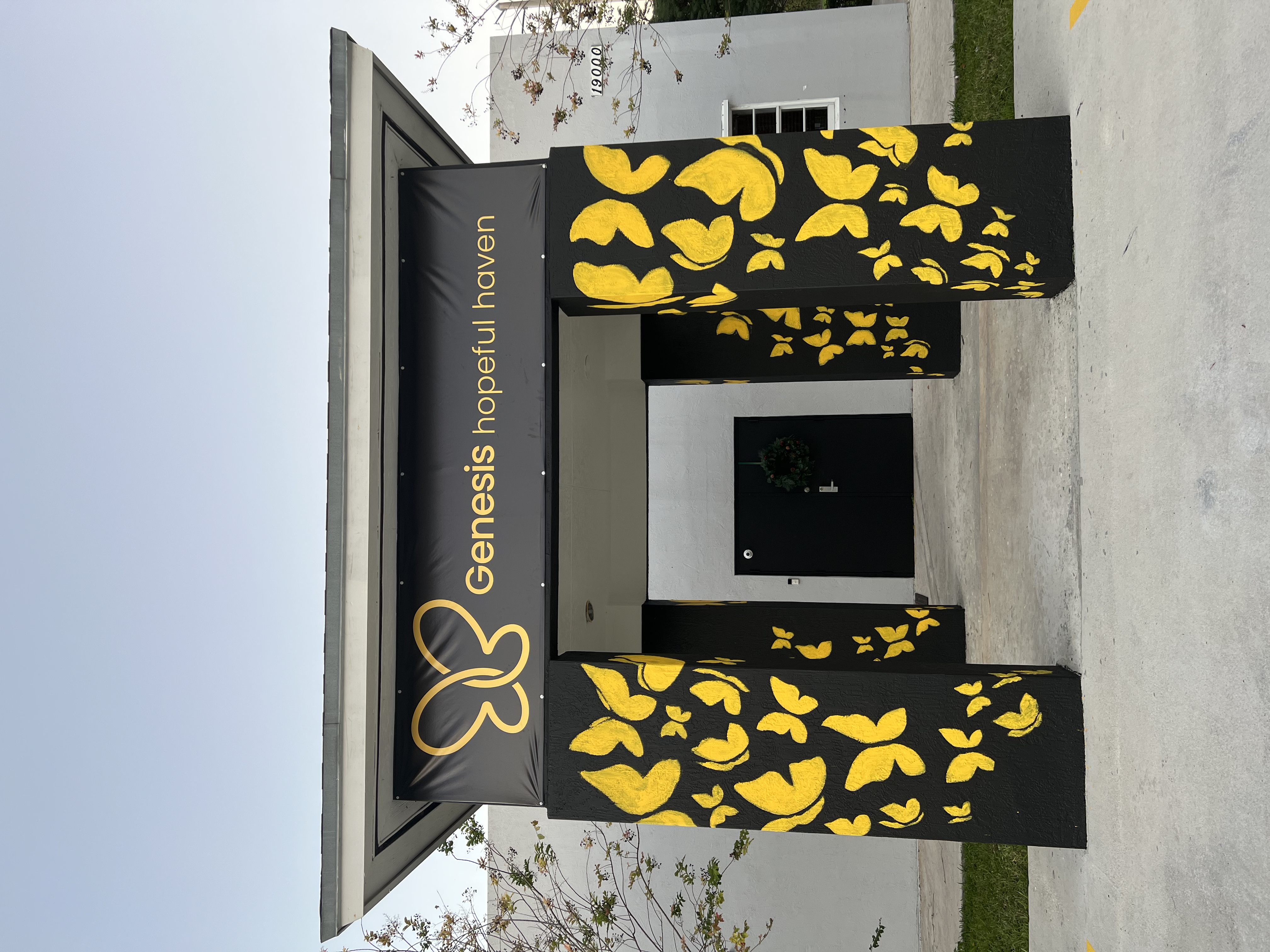
Fritzie Saintoiry: GHH was named after my son, who unexpectedly passed away as an infant. So, I started GHH to turn my pain into passion and help foster in Miami after moving from Chicago for a fresh start. Additionally, the name “Genesis” represents a new beginning or a fresh start for youth who may have experienced very difficult chapters early in life. “Hopeful” speaks to the optimism and belief we hold for all our students’ potential, no matter their circumstances. “Haven” symbolizes safety, refuge, and belonging. Together, the name reflects our mission and work.
Kars4Kids: A lot of what you do seems to be about preparing foster kids who have or are soon going to age out of the system. But you also have programs that provide for younger children, such as your community center. How old are the youngest of the children attending your programs? Describe for us, if you will, a typical day at the GHH Community Center.
Fritzie Saintoiry: Yes, a lot of what we do is centered on our mission to prepare youth to successfully transition from the foster care system to a purpose-driven adulthood by providing a haven that promotes hope, healing and independence. In doing this work, we recognized that working with younger foster youth and navigating life with them as they age out gives them an even better chance of sustainable success. So, the youngest GHH students are ages 10-14, and we call them Caterpillars (15-17-year-olds are Butterflies, the GHH mascot).
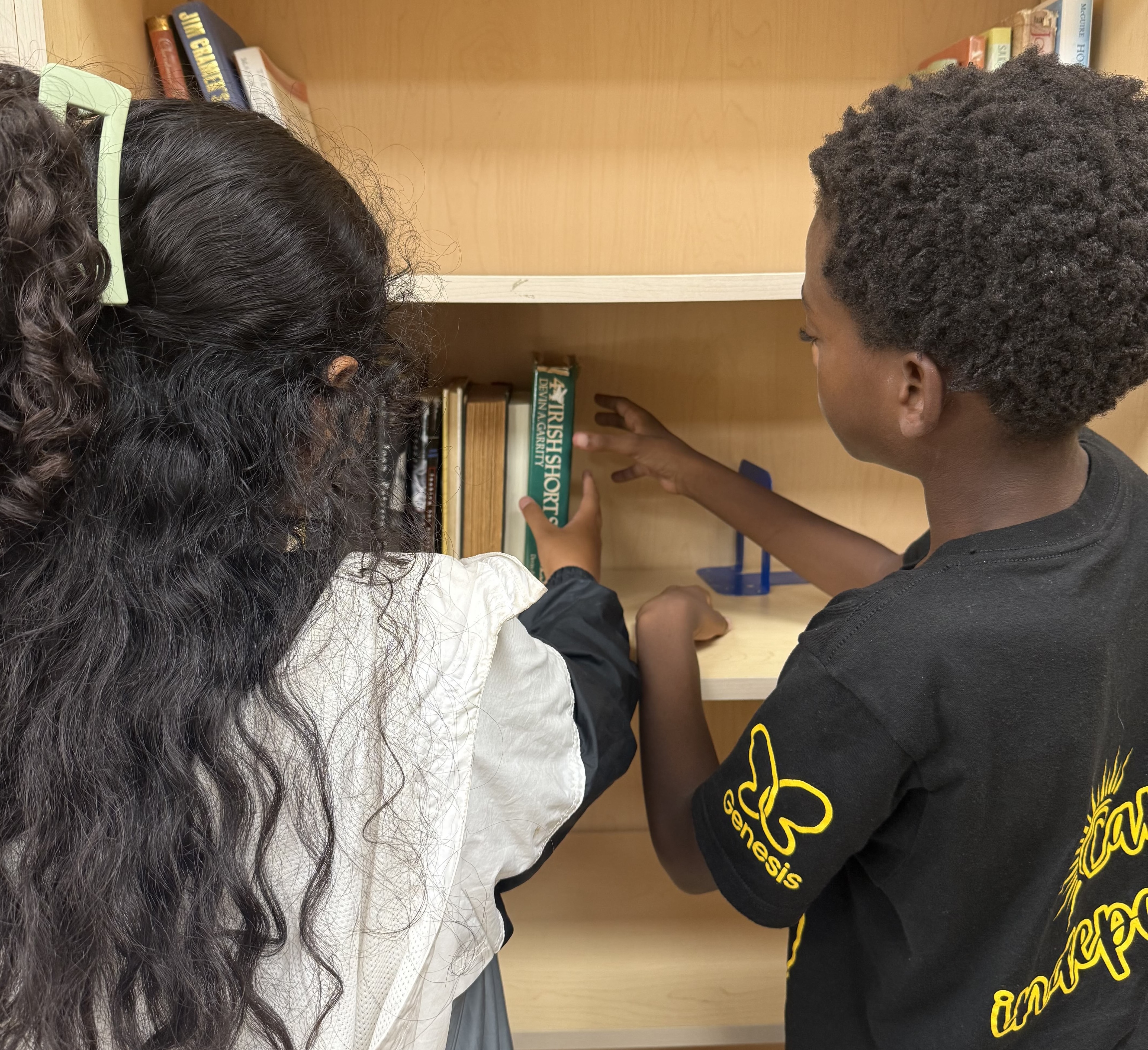
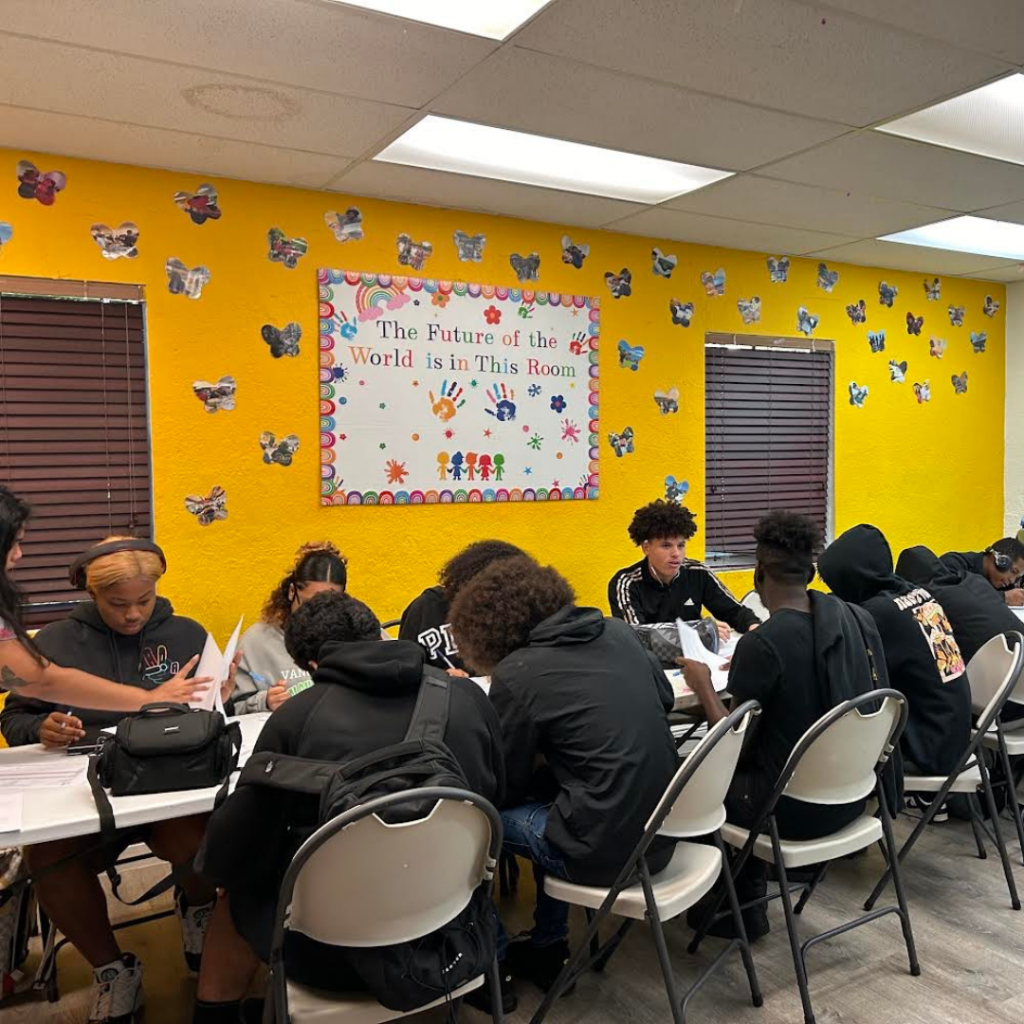
At the GHH Community Center, a typical school day includes structured homework support, tutoring, and literacy activities, along with recreational time that allows children to build social skills in a healthy environment. We also incorporate character development lessons, creative arts, enrichment activities, and mentorship. Delicious meals and snacks are provided, and we ensure that each student feels seen and supported. Our community center really is a space filled with encouragement, structure, and positive engagement.
Kars4Kids: Genesis Hopeful Haven operates six homes for foster youth. One of them seems to be for younger children, but the majority seem to be for older fosters, and fosters who have already aged out of the system. What makes these homes different from traditional foster placements, and how do they help teens transition toward independence?
Fritzie Saintoiry: We are thankful that we have been able to expand and now have eight homes, soon to be nine. You are correct in that one of our homes is for students ages 15-17. Our homes are designed as a transition-to-independence model. While we provide the nurturing and supervision expected in a traditional foster placement, we go further by intentionally providing wraparound services and teaching life skills such as budgeting, cooking, time management, career readiness, and conflict resolution. Our residents are guided through goal-setting plans and connected with family mentors and employment opportunities. We emphasize accountability, empowerment, and long-term stability. The environment is structured yet supportive, allowing residents to practice independence while still having caring adults to guide them.
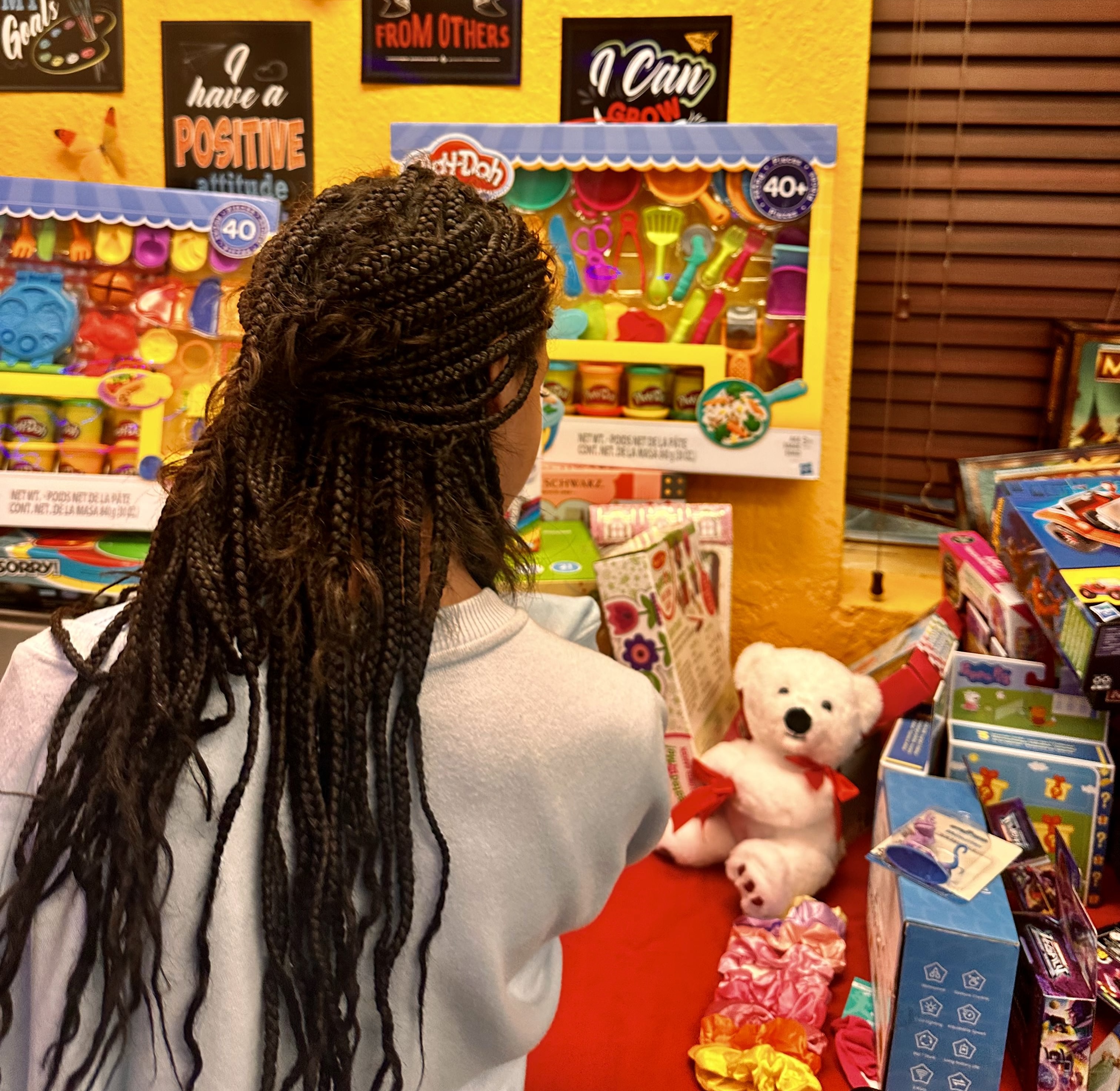
Kars4Kids: In addition to housing and life-skills support, Genesis Hopeful Haven offers enrichment opportunities designed to broaden foster youth’s experiences. Can you tell us about programs like the Explorer’s Program, where youth visit national parks and experience places they might not otherwise have access to?
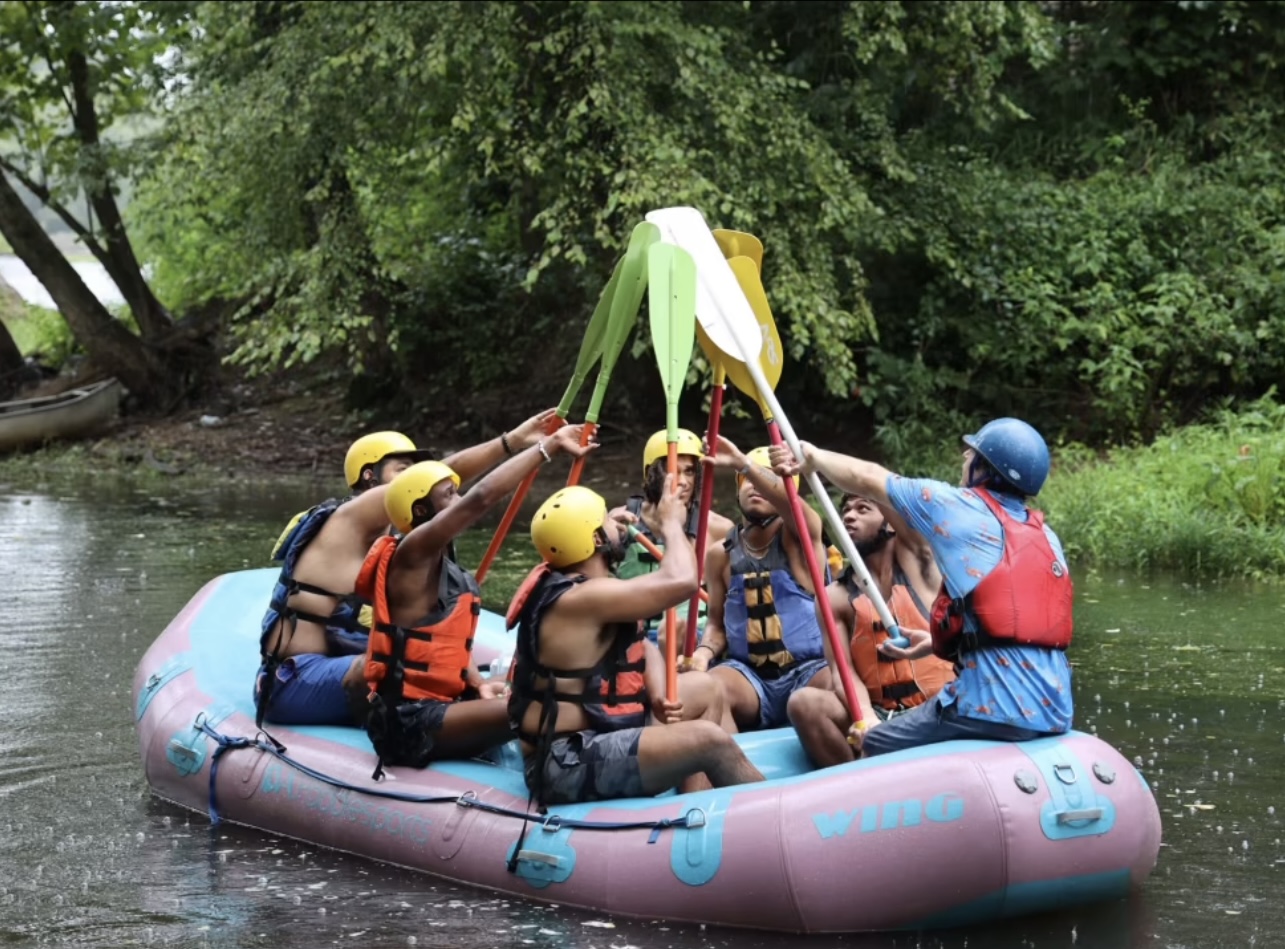
Fritzie Saintoiry: Absolutely. We want to make sure our students are well-rounded and get exposure to new things, including places. So, the Explorer Program was created to expose our youth to experiences beyond their immediate environment. Many of our students have never traveled outside their city, let alone the state. Through visits to national parks, historical landmarks, and cultural sites, they gain exposure to nature, history, and new possibilities. It is a great bonding opportunity for our aged-out youth. These experiences help them to build confidence, curiosity, and a sense of belonging in the broader world. This program is not just about travel. It is also about expanding horizons and helping them see that their futures are not limited by their physical environment.
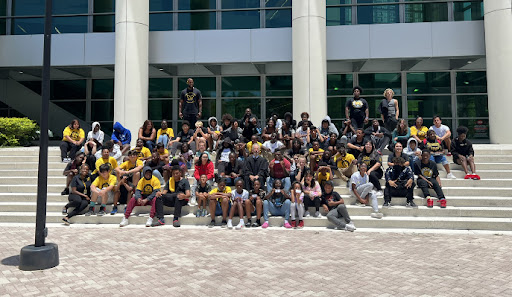
Kars4Kids: Camp experiences can be especially meaningful for foster children. How does Genesis Hopeful Haven incorporate camp or retreat-style programming into its work, and what impact does this have on the children who attend?
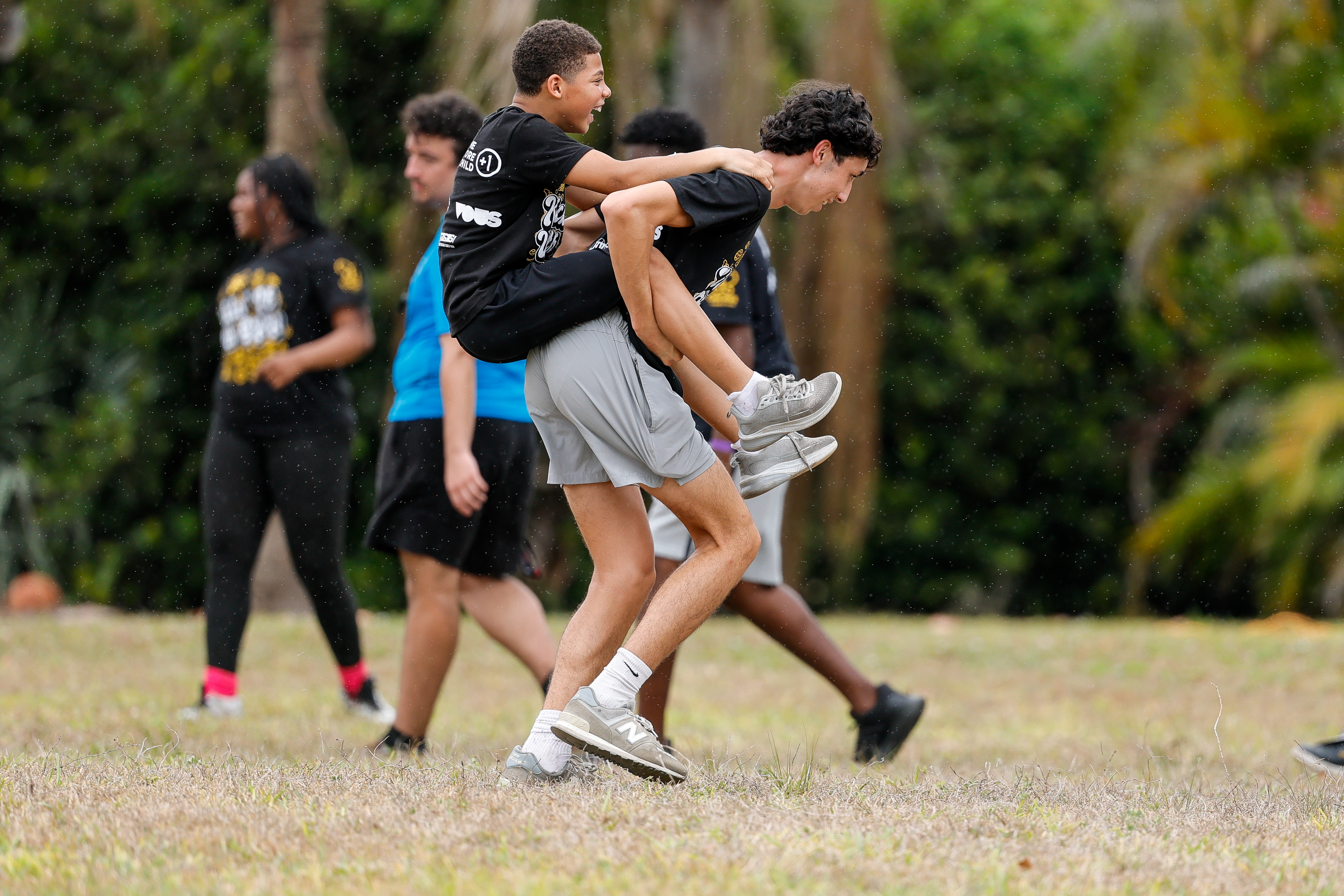
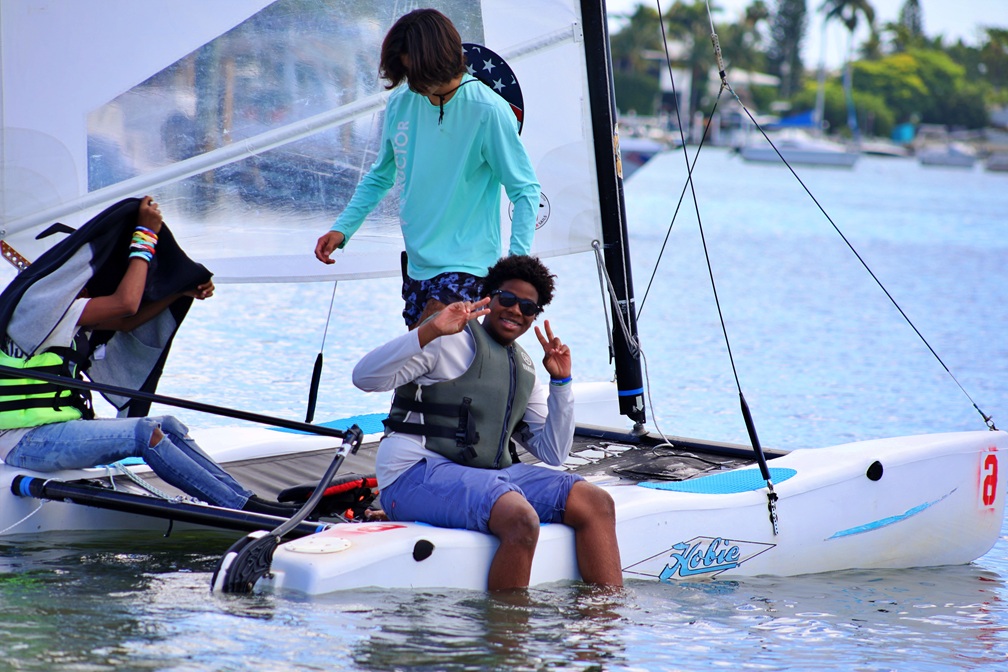
Fritzie Saintoiry: Our Camp Independence out-of-school programming is an integral part of GHH’s curriculum. It combines life skills and enrichment programming with vocational and employment readiness training for our older students. To accommodate the number of campers and increase exposure, we have structured it so that students participate in mini camps devoted to golf, sailing, football, dance, music, and more. These experiences allow them to bond with peers, build trust with staff and community partners, and develop resilience. Many of our youth describe camp as the first time they felt carefree and fully accepted. The impact is often visible in improved confidence, stronger social skills, and renewed motivation. Camp Independence is a great way to keep our foster engaged while on summer, winter, and spring breaks. We also love that it provides some of our aged-out youth with employment as camp counselors, assistants, and runners.
Kars4Kids: What are some of the practical life skills foster youth may not have had the opportunity to learn and often need support developing?
Fritzie Saintoiry: A lot of “basic” things people may not think of, many foster youth have not had consistent opportunities to learn everyday life skills such as grocery shopping, cleaning, cooking, budgeting, opening a bank account, job interviewing, maintaining a schedule, etc. Some also need assistance in healthy relationship-building, conflict resolution, and emotional regulation. So, that is where GHH steps in, acting as a parent program to provide personalized guidance, structured workshops, and hands-on practice, so they leave our program equipped to manage adulthood with confidence.
Kars4Kids: Can you share a moment or outcome that captures the impact Genesis Hopeful Haven has had on a child, teen, or young adult?
Fritzie Saintoiry: We are proud of the small wins and large leaps our students make. One story that captures the essence of GHH’s impact is Dom’s. He came into our program five years ago. He planned to drop out of school due to unstable housing. So, we provided Dom with housing, life skills, his first job, and assistance with transferring to Florida International University (FIU). He got focused once he felt comfortable in his new home. As a result, he earned a bachelor’s degree in finance and secured a position at a top four CPA firm in Canada. Side note: Dom also participated in our Explorer Program that we touched base on earlier, and now he is living abroad. We are so excited for him!
Kars4Kids: Genesis Hopeful Haven also offers mental health services. Are mental health issues common in foster kids? What kind of mental health issues are they struggling with, and how does GHH help them to cope?
Fritzie Saintoiry: Mental health challenges are unfortunately very common among foster youth due to trauma, instability, and loss. Many struggle with anxiety, depression, PTSD, attachment challenges, and low self-esteem. At GHH, through community partnerships and case management, we provide access to licensed counseling services and trauma-informed care. We also integrate mental wellness into everyday programming, teaching youth healthy communication, mindfulness, and stress-management techniques. Our approach ensures that mental health support is not an afterthought but a core component of our care model.
Kars4Kids: What’s next for Genesis Hopeful Haven?
Fritzie Saintoiry: We are very proud of what we have accomplished in 11 years and even more excited about the future of GHH and its impact on our students. A few things we are focusing on include growing our housing capacity to accommodate more aged-out youth, strengthening our workforce development partnerships, and expanding our community center into a one-stop shop for Miami’s foster and aged-out youth. Ultimately, our vision is to build a comprehensive support continuum that ensures every young person we serve has access to safe housing, education, employment opportunities, and a lifelong support network to broaden foster youths’ experiences. Can you tell us about programs like the Explorer’s Program, where youth visit national parks and experience places they might not otherwise have access to?