The JT Dorsey Foundation: Soccer as a Path to Opportunity
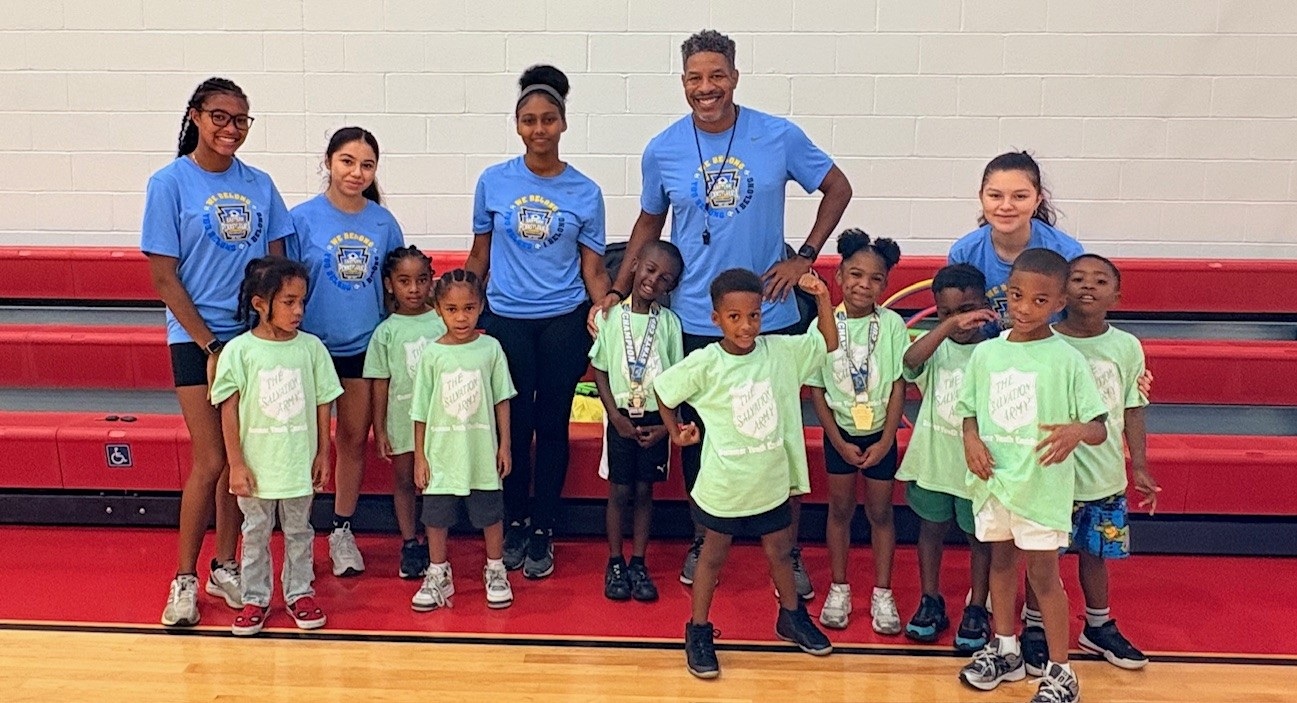
The JT Dorsey Foundation (JTDF) believes soccer can change lives. Since 2007, the Pennsylvania nonprofit has used the world’s most popular sport to engage children and teens in mentorship, leadership development, and personal growth. Through after-school programs, skills training, and coach-mentors who serve as positive role models, JTDF helps young people build confidence both on and off the field.
Serving under-resourced communities across Central and Southeastern Pennsylvania, the foundation creates safe, welcoming spaces where youth can develop healthy habits, strengthen social-emotional skills, and discover their potential. Its programs are designed to remove barriers to participation while teaching lessons in teamwork, resilience, accountability, and respect that extend well beyond the game.
The JT Dorsey Foundation’s unique blend of soccer, mentorship, and leadership development made it a natural fit for a Kars4Kids small grant. We put some questions to Julian (JT) Dorsey, executive director of The JT Dorsey Foundation.
Kars4Kids: For readers who may not be familiar with your work, can you tell us about the young people the JT Dorsey Foundation serves—who they are, where they live, and some of the challenges they face?
Julian Dorsey: The young people we serve are primarily from under-resourced communities across Central and Southeastern Pennsylvania, including Harrisburg, York, and Coatesville. Many of our participants face barriers such as limited access to safe play spaces, financial constraints, and inconsistent academic or social support systems. Despite these challenges, they bring incredible resilience, energy, and potential. Our role is to create consistent, supportive environments where they feel seen, valued, and empowered to grow both on and off the field.
Kars4Kids: You founded the JT Dorsey Foundation in 2007, drawing on your background in special education and your own history as a soccer player. How did those two threads—your time working with kids in an alternative school and your years on the pitch—come together to shape what the foundation became?
Julian Dorsey: My experience working in alternative education showed me firsthand how many young people are disengaged not because they lack ability, but because they lack connection and opportunity. At the same time, soccer was a constant in my life that taught me discipline, teamwork, and confidence. Bringing those two worlds together, I saw an opportunity to meet young people where they are and use soccer as a bridge to education, mentorship, and personal growth. That’s really how the foundation was born.
Kars4Kids: Soccer is often described as just a game, but the JT Dorsey Foundation uses it as something much bigger. What does soccer make possible with young people that other program formats might not?
Julian Dorsey: Soccer creates an immediate point of connection. It breaks down barriers, builds trust, and engages young people in a way that feels natural and fun. Through the game, we’re able to teach life skills, communication, accountability, and resilience in real time. It’s not just instruction; it’s lived experience. That’s what makes it powerful.
Kars4Kids: Soccer for Success, your flagship after-school program for youth ages 5 to 13, runs three days a week and wraps in healthy snacks, conversations about positive choices, and social-emotional skill building alongside the soccer itself. How does a typical session actually unfold, and what does that combination look like in practice?
Julian Dorsey: A typical session starts with a check-in and warm-up to get everyone moving and engaged. From there, we move into skill-building activities and small-sided games that emphasize teamwork and decision-making. Throughout the session, coaches intentionally integrate conversations around positive choices, goal setting, and respect. We also provide healthy snacks and hydration, reinforcing the importance of wellness. It’s a balance of structure, fun, and meaningful interaction that keeps kids coming back.
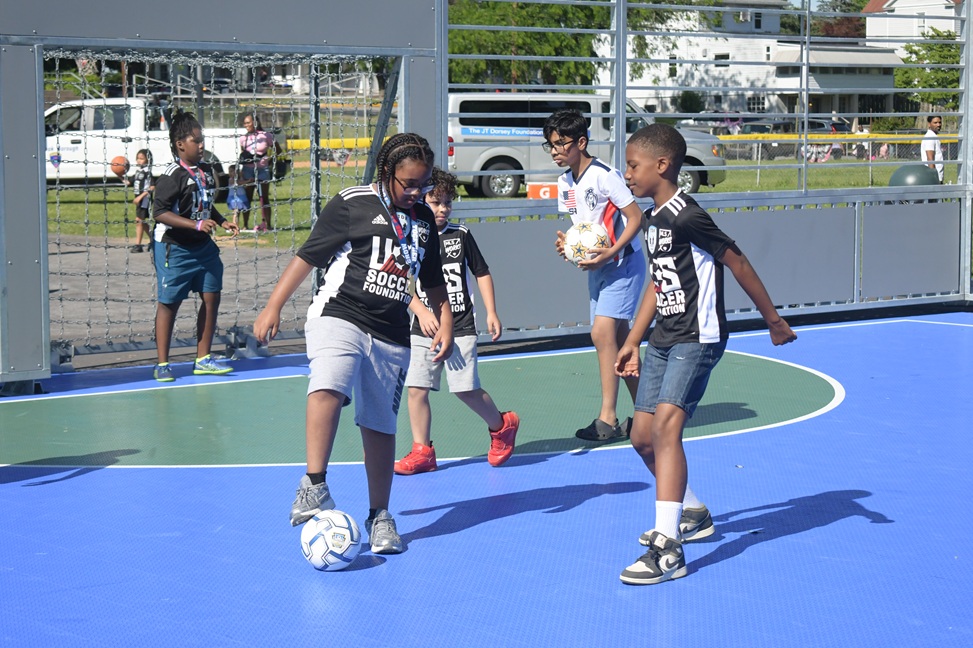
Kars4Kids: Can you give us an overview of Skill School and explain why it’s important that the program is open to players regardless of what team or club they belong to?
Julian Dorsey: Skill School is designed to provide access to quality training for any player, regardless of their club affiliation or financial background. By keeping it open, we remove barriers and create a shared space where players from different communities can learn, compete, and grow together. It’s about inclusivity and ensuring that talent and passion, not resources, determine opportunity.
Kars4Kids: The Future Leaders program targets teens ages 14 to 19 with a combination of on-field soccer training and classroom-based leadership development. What specific life skills does the program focus on, and why is that 14-to-19 age window such a critical time to reach young people?
Julian Dorsey: The Future Leaders program focuses on leadership development, communication skills, goal setting, and personal accountability. Participants also gain experience in mentorship and community service. The 14–19 age range is critical because it’s a pivotal time when young people are forming their identity and making decisions that shape their future. We aim to guide them with the tools and confidence they need to succeed.
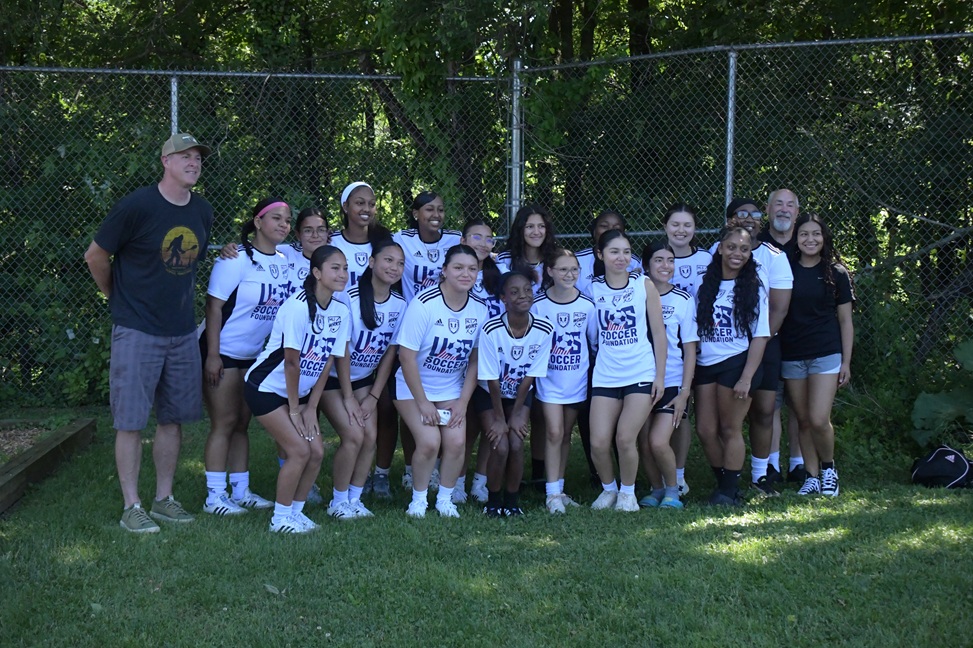
Kars4Kids: Your coach-mentors play a central role in the program. What makes someone an effective coach-mentor in the JTDF model, and how do you prepare them for that dual role?
Julian Dorsey: A great coach-mentor is someone who genuinely cares about young people, is consistent, and leads by example. It’s not just about soccer knowledge, it’s about building relationships and creating a positive, structured environment. We prepare our coach-mentors through training, ongoing professional development, and clear expectations around both coaching and mentorship. They’re role models first.
Kars4Kids: Independent research has shown meaningful gains in health outcomes, school behavior, and social-emotional well-being among Soccer for Success participants. What do you think accounts for those results—and what does success actually look like on the ground, from your vantage point?
Julian Dorsey: I think those outcomes come from the fact that Soccer for Success isn’t just about playing the game, it’s about how the program is intentionally designed. You have consistent physical activity, you have trained coach-mentors who are building real relationships, and you have a structured environment where young people feel both challenged and supported. When you combine movement, mentorship, and life-skill development in a safe space, you start to see change happen in a very real way.
I see success in habits, kids choosing to be active, showing up consistently, working through challenges, and supporting one another. That sense of belonging and accountability is powerful.
At the end of the day, success looks like young people starting to believe in themselves and seeing a bigger future for who they can become. And when that shift happens, everything else, health, behavior, and social-emotional growth tends to follow.
Kars4Kids: A 2020 research study conducted at Penn State Harrisburg concluded that JTDF practices what it preaches; to kids it’s more important to do something, than only to say you will. Can you give us some examples of how this works in practice?
Julian Dorsey: For us, it’s about showing up every day and following through. Whether it’s providing equipment, creating safe spaces to play, or connecting families to additional resources, we make sure our actions align with our mission. We don’t just talk about opportunity; we actively create it. That consistency builds credibility and trust within the communities we serve.
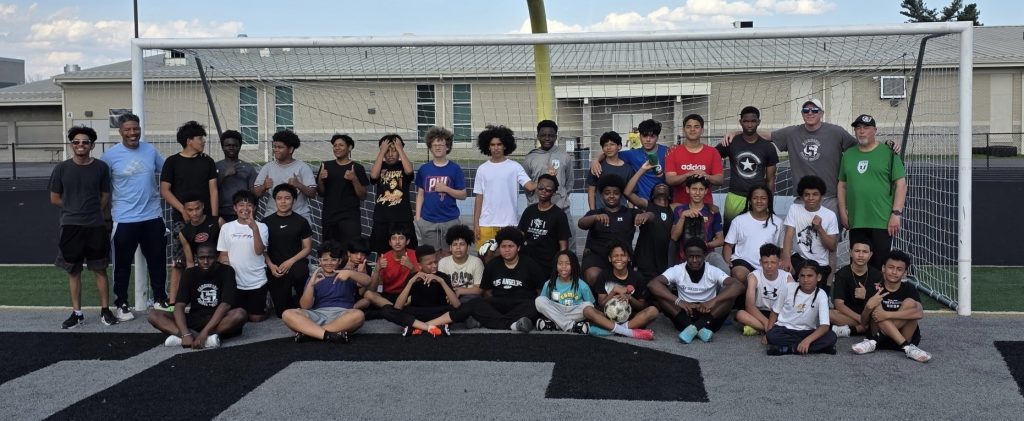
Kars4Kids: One of your volunteers put it plainly: “We do what’s best for the kids—we take the methodology and curriculum we’ve developed and share it with others so they can replicate it.” How do you think about scaling the JTDF model without losing what makes it work? How would you describe your impact on the communities your serve, and for the broader soccer family? Do you have a vision for the future?
Julian Dorsey: Scaling our model means staying true to our core values, relationships, consistency, and access, while creating systems that allow others to implement the work effectively. We invest in training, partnerships, and curriculum sharing so that programs can be replicated without losing quality.
Our impact can be seen in stronger, more connected communities where young people feel supported and empowered. For the broader soccer community, we’re helping demonstrate how the game can be a tool for social change.
Our vision is to expand access to high quality programming, deepen our community partnerships, and continue developing young leaders who will, in turn, uplift the next generation.