Bright Beginnings: Helping DC’s Youngest Children Thrive Through Early Education
Bright Beginnings (BBI) is dedicated to giving Washington, DC’s youngest and most vulnerable children a strong start in life. Serving families facing housing instability and economic hardship, BBI provides high-quality early childhood education alongside comprehensive family support services. Through its two-generation approach, the organization works not only to prepare children for kindergarten, but also to strengthen parents’ ability to achieve stability and build brighter futures for their families.
Kars4Kids awarded a small grant to Bright Beginnings in recognition of its thoughtful, research-based model and its clear commitment to quality programming during the most critical years of child development. BBI stood out for its emphasis on early learning, when the foundation for lifelong growth is established, as well as its holistic support for families navigating significant challenges. To learn more about this important work, we put some questions to Bright Beginnings CEO Erin Fisher.
Kars4Kids: Bright Beginnings operates in Washington, DC. How many families do you serve, and how many children? What else can you tell us about your community and the demographic you serve? How do families typically find Bright Beginnings?
Erin Fisher: Bright Beginnings has the capacity to serve 218 children and their families annually (32 children age 3 – 5 through Head Start and 186 children age 0 – 3 through Early Head Start day and evening care) across three site areas: 4th Street Southeast, and Whitlock and Garfield Elementary Schools. Approximately 600 individuals benefit annually, encompassing staff, caregivers, and extended family members.
Our target population is children and families living east of the Anacostia River in Washington DC’s Wards 7 and 8, areas where systemic and institutional racism has dramatically impacted Black communities for decades. With a median household income of $50,931 in Ward 8 (less than half of DC’s overall median of $106,287) and a poverty rate of 26.8% (nearly double the District’s overall rate), our communities face severe economic challenges. Educational disparities begin early in Wards 7 and 8, with children often entering kindergarten already behind their peers from more affluent areas. This achievement gap takes root during the crucial early years when 90% of brain development occurs and the foundation for all future learning is established. The critical shortage of quality early childhood education centers in high-poverty communities creates significant barriers for families already struggling with economic challenges and housing instability. Many parents must travel long distances to access quality care, particularly difficult for those without reliable transportation. Without access to high-quality early childhood education, children in our communities face compounded disadvantages that persist throughout their academic journey, further widening the educational achievement gap at a crucial developmental stage.
With a 36-year history of serving children and families in DC, we are a well-known and trusted organization. Families find Bright Beginnings primarily through word-of-mouth or through referrals from other community-based organizations.
Kars4Kids: How does housing instability affect families? Aside from the challenges faced by families as a whole, how does housing instability affect children?
Erin Fisher: Stable housing is a fundamental human need that drives physical and mental health, safety, and access to education, childcare and employment. Without stable housing, families face financial strain, physical and emotional stress, employment barriers, social isolation, and poor outcomes for long-term economic security. In children, housing instability, similar to other adverse childhood experiences like hunger and violence, impacts brain development. They experience chronic stress and uncertainty, learning gaps, poor nutrition, and often limited access to healthcare. Programs like Bright Beginnings provide stable early childhood education, family support services, and two-generation approaches that help buffer the effects of housing instability. Consistent learning environments, supportive relationships with teachers, and access to health and social services can play a critical protective role.
Kars4Kids: BBI uses a whole-child, two-generation approach to their work with families and children. Can you explain the philosophy behind this approach and why BBI believes this is the best way to help the families and children you work with?
Erin Fisher: A two-generation approach is a research-proven and foundational strategy of Head Start. There is a strong connection between parents’ economic, psychological, and social well-being and children’s healthy development. When you support the children and parents simultaneously, it creates intergenerational opportunity for mobility.
Kars4Kids: Would you say that your early learning program is Bright Beginnings’ flagship program? Why the focus on early childhood education?
Erin Fisher: Early learning is our flagship program, but outcomes are much better when coupled with our two-generation approach. A focus on early learning is so important because, as mentioned earlier, ninety percent of a child’s brain develops before the age of 5. This means that the experiences a child has in their early years have a profound impact on their brain development and future well-being. Children living in urban poverty are often exposed to multiple traumas, such as violence, loss of a parent, food and housing insecurity, which leads to severe and chronic reactions that impact both the family and our society. Comprehensive, high-quality early education, health, and family support services offered through Head Start / Early Head Start programs like BBI significantly improve school readiness, cognitive development, and long-term life outcomes for low-income children.
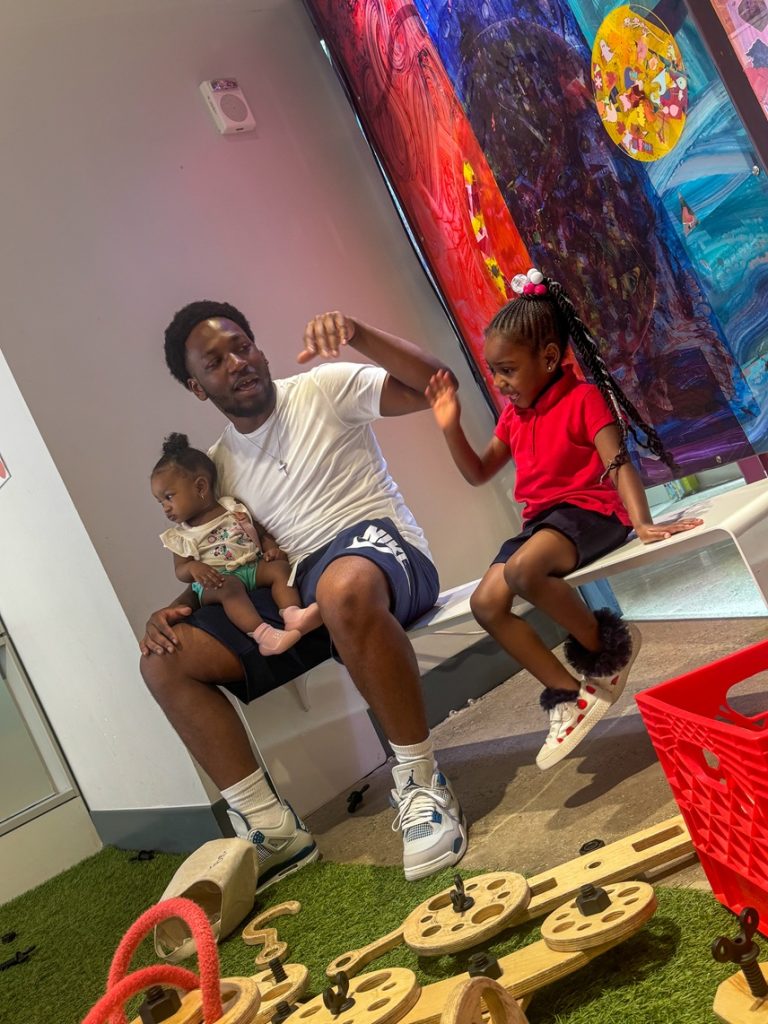
Kars4Kids: Bright Beginnings has 13 classrooms. Are all of them at the same location? What can you tell us about your facility and what you offer?
Erin Fisher: Bright Beginnings actually has a total of 25 classrooms now; though it was just 13 when we applied for the Kars4Kids grant! We have 22 classrooms open during the day across three locations, and three classrooms open during evening care. We have 14 classrooms at our 4th Street SE location daytime program. We opened a transition classroom this year to support children moving from Early Head Start to Head Start at the age of three. Early Head Start focuses on foundational development with flexible schedules, while Head Start emphasizes kindergarten readiness in a more structured environment. That shift can feel overwhelming for some children. To ease the transition, we opened Classroom 14 in November 2025 as a hybrid of Early Head Start and Head Start programming. So in addition to the 17 day and evening classrooms at 4th Street SE, we have 4 Early Head Start classrooms at Whitlock Elementary School in Northeast DC and 4 at Garfield Elementary school in Southeast DC.
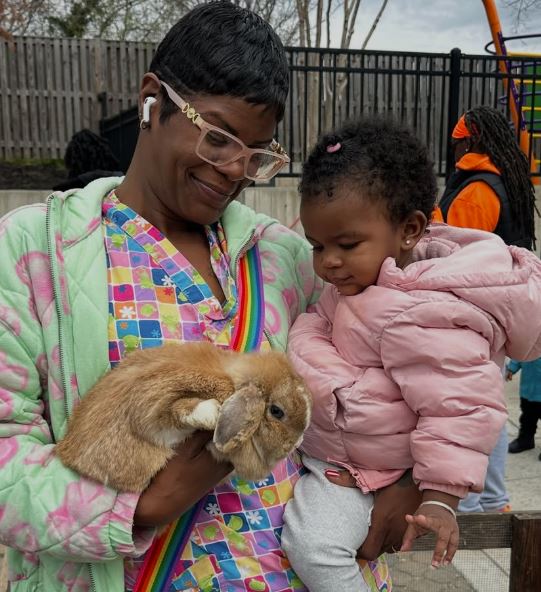
Kars4Kids: It sounds as though you have a low teacher to child ratio. Why is this important? Why not combine classrooms so that more children might be served?
Erin Fisher: Head Start mandates teacher to child ratios. In Early Head Start classrooms it is one to eight or nine, and in Head Start classrooms the ratio is one to eleven or twelve. Low teacher to student ratios promote safety, individualized attention, and encourage strong bonds between teacher and student and teacher and parent.
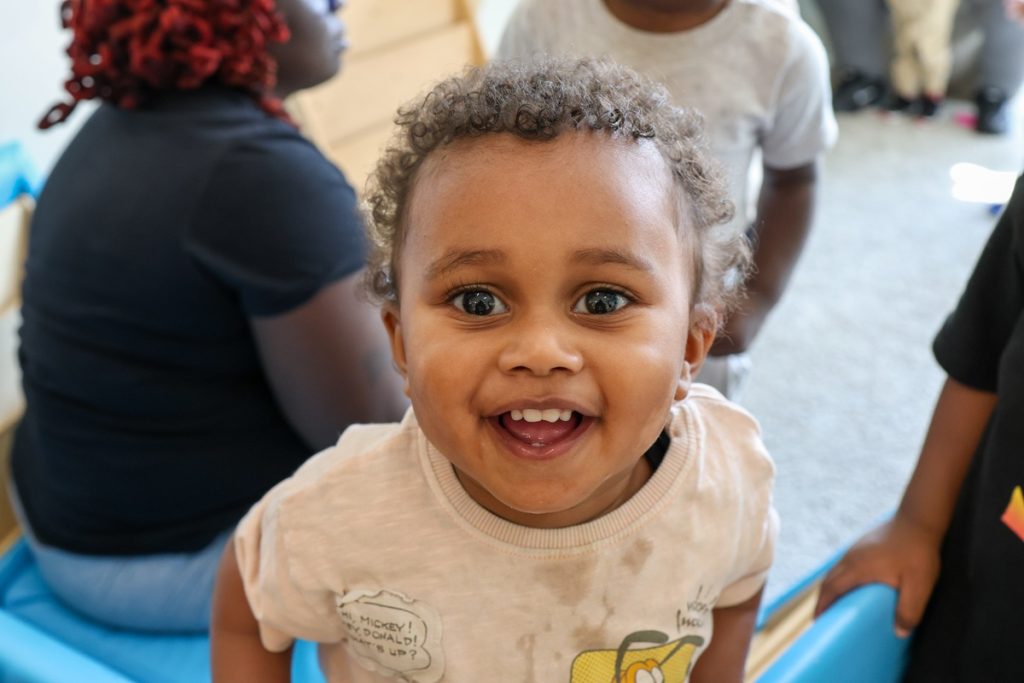
Kars4Kids: What is the ultimate aim of your early childhood education curriculum? What kinds of developmental outcomes do you hope to see in the children who attend Bright Beginnings?
Erin Fisher: The ultimate aim of our early childhood education program is kindergarten-readiness. We want children who leave us to be kindergarten-ready and on par with higher-resourced peers.
Without early learning opportunities, children often enter kindergarten already behind their peers. A learning gap widens over time and reinforces cycles of poverty. BBI exists to close that gap.
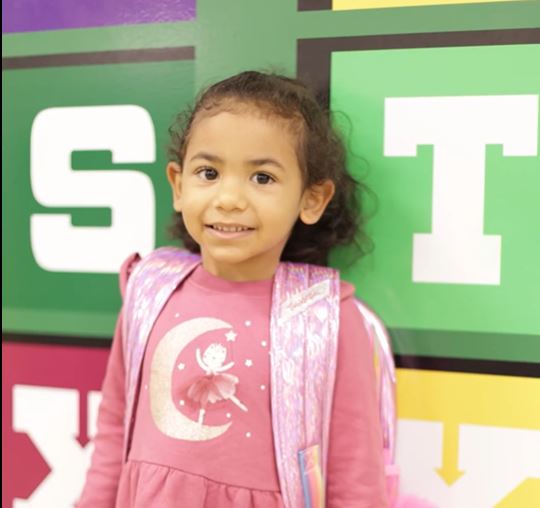
Kars4Kids: Tell us about your fatherhood initiative. Why fathers specifically?
Erin Fisher: Head Start focuses on engaging fathers because their involvement has a unique and powerful impact on children’s development and family well-being. Research shows that children with active fathers tend to perform better academically, socially, and emotionally. Head Start also aims to strengthen the entire family by encouraging co-parenting and support systems, while addressing the fact that fathers have often been left out of early childhood programs. By intentionally including them, the program helps create more stable families and better long-term outcomes for children.
Kars4Kids: Can you give us an overview of your family services? Do you charge a fee for these services? How do these supports help families move toward stability?
Erin Fisher: There are no charges or fees for any of the services BBI provides to our children and families; however, families need to qualify based on income, housing status, eligibility for public assistance, etc. A hallmark of BBI’s 2-generation approach is our family services program, which throughout each program year evaluates families’ needs and connects them with appropriate resources and support systems. All enrolled families are provided a family advocate who works with them to develop a family partnership agreement and set goals that are designed to empower parents and transform the lives of families. This program provides families with targeted training and resources to build economic assets, support personal wellbeing, and develop valuable social capital.
Kars4Kids: What’s next for Bright Beginnings?
Erin Fisher: BBI is in the final year of its current strategic plan. After rapid expansion in 2025 with DC Public Schools, we need a new strategic framework to guide continued growth, build our education team’s capacity, maintain our “high quality” designation, improve staff retention, and enhance learning outcomes for children. Strategic planning during this growth phase is critical to sustain program quality while meeting our families’ needs.