Catamount Institute Connects Kids to Colorado’s Great Outdoors
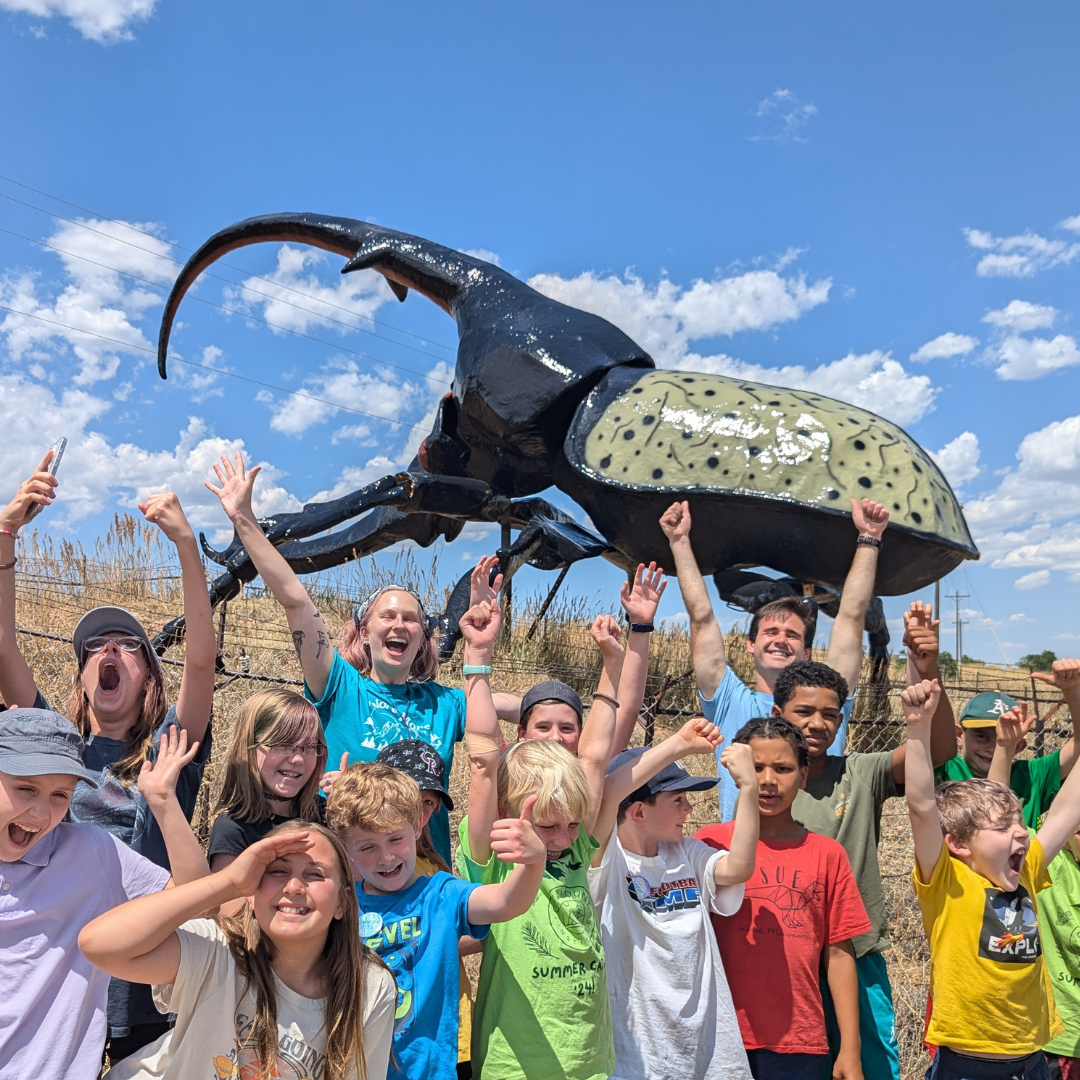
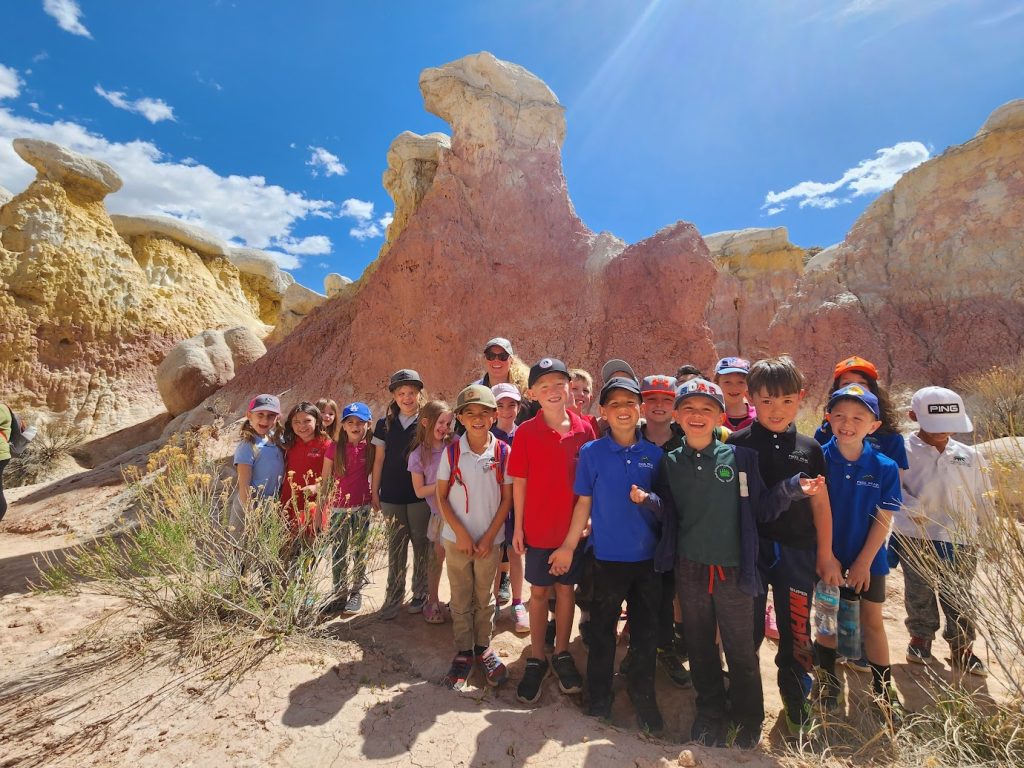
For nearly 30 years, Catamount Institute has been getting kids out from behind screens and into the wild, rugged beauty of the Pikes Peak region. Founded in 1997 by Julie Francis and Dr. Howard Drossman, the Colorado Springs-based nonprofit reaches more than 5,000 young people annually through summer camps, school partnerships, homeschool enrichment, field trips, and community programs.
At the heart of Catamount’s work is the belief that standing beside a stream or spotting wildlife on a trail teaches a child more than any textbook could. Whether campers are hiking, tracking animals, or studying a watershed up close, the goal is the same — turn curiosity into confidence, and confidence into a lasting sense of belonging outdoors. That mission comes vividly to life at the organization’s 145-acre Mountain Campus in Woodland Park, where kids can hike, fish, camp, and explore an outdoor classroom unlike any other.
Catamount Institute is a Kars4Kids small grant recipient. We put some questions to Executive Director Maury Peterson to learn more.
Kars4Kids: Who are the children and families Catamount Institute serves, and where are they located?
Maury Peterson: Catamount Institute’s mission is to connect kids to the outdoors and provide meaningful outdoor experiences across the Pikes Peak region of Colorado to more than 5,000 youth annually. We serve kids and families through summer camps, school programs, homeschool enrichment, field trips, and community programs. With locations in Colorado Springs and our 145-acre Mountain Campus in Woodland Park, we are able to reach young people from communities throughout the region.
Kars4Kids: Who attends the Colorado-ology summer camps, and how does a week outdoors change how a kid relates to nature?
Maury Peterson: Catamount Institute’s Colorado-ology summer camp is designed for children ages 5–12 who are ready to explore what makes Colorado’s natural environment so remarkable. Campers investigate ecosystems, hike, discover wildlife, conduct hands-on science activities, and learn through exploration and play.
But the real impact goes beyond what they learn. Over the course of a week, we often see children become more confident, independent, and comfortable outdoors. They make new friends, try things they haven’t done before, and begin to see nature not as something unfamiliar, but as a place where they belong. That personal connection can be the beginning of a lifelong relationship with the outdoors.
Kars4Kids: How does the outdoor school program work with partner schools, and what’s the bigger goal behind pairing classroom learning with time outside?
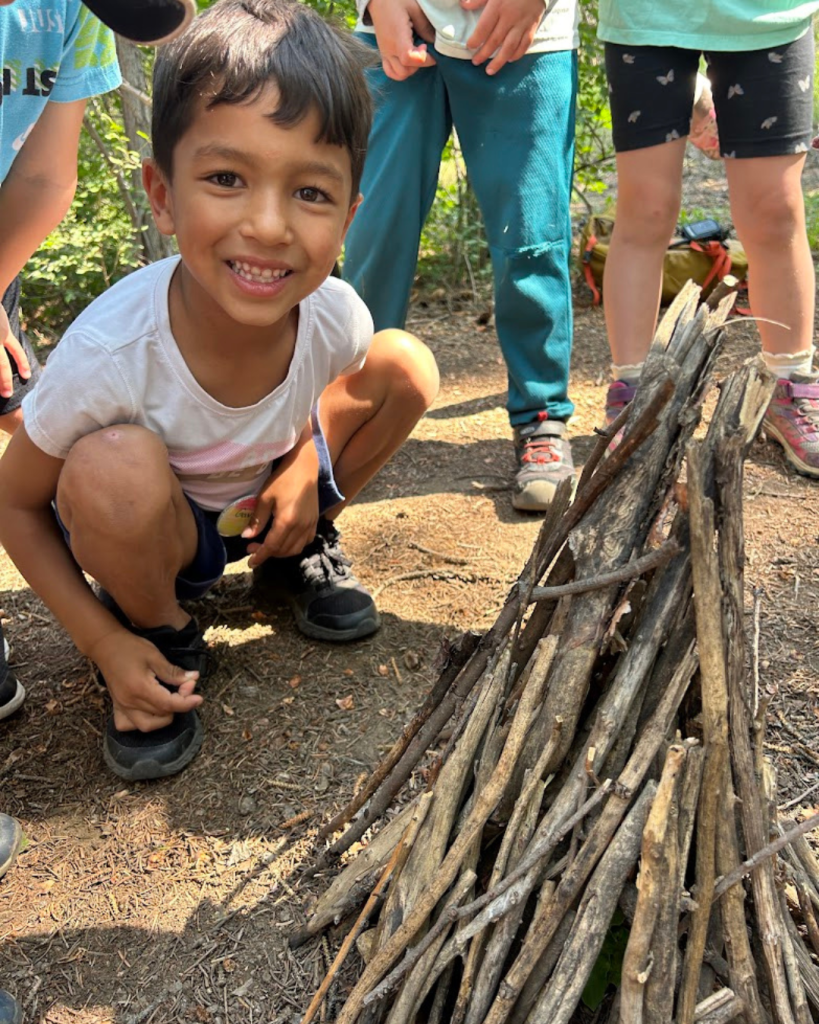
Maury Peterson: We partner with local school districts, schools, homeschool communities, and after-school programs to take learning beyond the classroom. Our programs pair academic concepts with hands-on outdoor experiences, allowing students to investigate ecosystems, watersheds, wildlife, and other topics firsthand.
There is growing evidence that time outdoors can support children’s learning, well-being, and social development. For some of the students we serve, our programs also provide access to outdoor experiences they might not otherwise have.
Ultimately, we want young people to feel comfortable, confident, and curious outdoors. Reading about a watershed or ecosystem is valuable, but standing beside a stream, observing wildlife, asking questions, and making discoveries creates a different kind of connection. Those are the experiences children remember.
Kars4Kids: What is the Catamount Mountain Campus, and why does that particular setting matter to what you’re trying to teach?
Maury Peterson: Our 145-acre Catamount Mountain Campus in Woodland Park is an extraordinary outdoor classroom near Pikes Peak. The property provides opportunities for hiking, fishing, wildlife observation, environmental education, family camping, and overnight experiences.
What makes the setting so powerful is that the environment becomes the classroom. Rather than simply reading about forests, wildlife, watersheds, or conservation, young people can experience those concepts firsthand through programs connected to Colorado academic standards.
The Mountain Campus gives children the space to explore, ask questions, take appropriate risks, build confidence, and develop a personal connection with nature. We believe that when children experience the natural world for themselves, learning becomes more meaningful—and that connection can inspire a lifelong appreciation for the outdoors.
Kars4Kids: How do your field trips tie into what kids are already studying, and what do you hope carries over once they’re back in the classroom?
Maury Peterson: Our field trips are designed to complement classroom learning while aligning with Colorado academic standards. We offer programs for elementary, middle, and high school students at both our Colorado Springs location and our Mountain Campus, as well as at schools and other partner sites across the region.
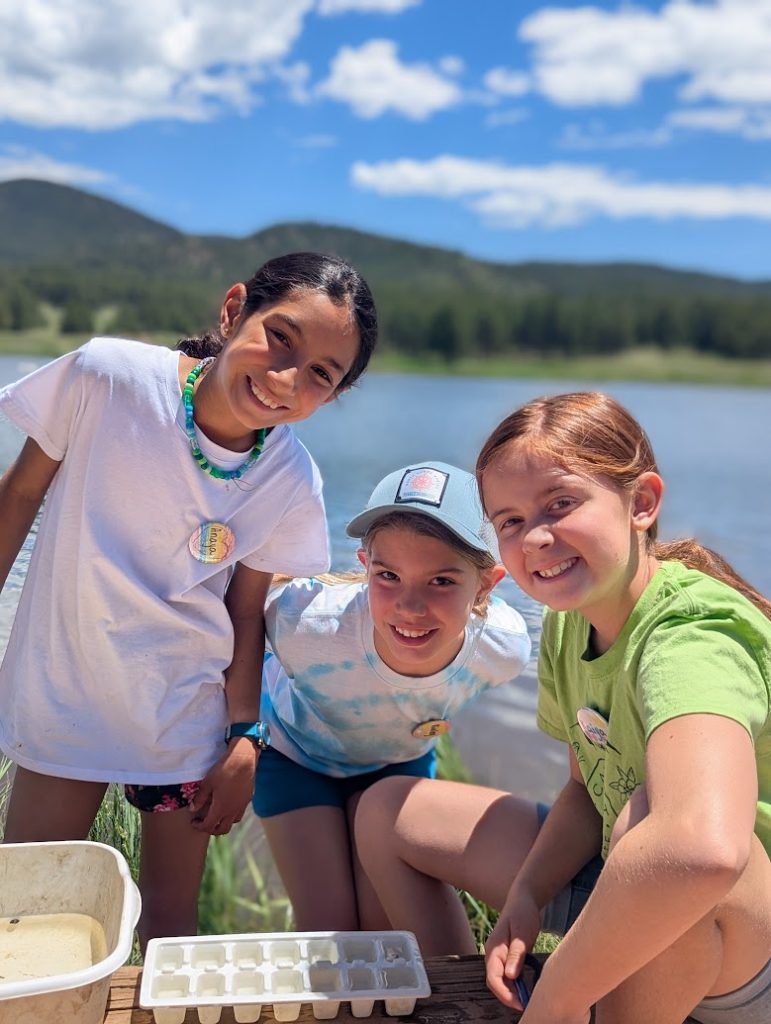
Depending on the program, students might investigate ecology, wildlife, watersheds, geology, or other environmental science topics through hands-on exploration. Instead of only reading about these concepts, students get to see, touch, investigate, and experience them.
We hope they return to the classroom with more than new knowledge. We want them to bring back curiosity, confidence, questions they want to explore, and a stronger understanding of their connection to the natural world.
Kars4Kids: What training do staff go through before taking kids outdoors, and how does that shape the kind of experience a camper has?
Maury Peterson: Our staff complete extensive training before leading youth outdoors, including safety procedures, risk management, and Mental Health First Aid. We also invest in ongoing professional development, so our educators continue building their skills and knowledge.
But great outdoor education requires more than training. Our staff bring genuine enthusiasm, curiosity, and a passion for helping children discover what they’re capable of. When kids feel safe, supported, and encouraged, they’re much more willing to try something new, ask questions, make mistakes, and challenge themselves. Our educators create the environment that makes those moments possible.
Kars4Kids: How has your programming changed since 1997, and has your idea of what it means to “connect kids to the outdoors” evolved with it?
Maury Peterson: Catamount Institute was founded in 1997 by Julie Francis and Dr. Howard Drossman, a married couple who came to Colorado to teach at Colorado College. When they couldn’t find a local nonprofit focused on providing outdoor environmental education for young people, they decided to create one.
Nearly 30 years later, Catamount Institute has connected tens of thousands of young people to the outdoors, and our programs have expanded significantly. But our understanding of what it means to “connect kids to the outdoors” has deepened as well.
It’s not simply about getting children outside. It’s about creating meaningful experiences that build confidence, spark curiosity, develop a sense of belonging in nature, and encourage young people to care for the world around them. Ultimately, we’re helping nurture the next generation of environmental stewards.
Kars4Kids: What have you noticed in kids who’ve been through your programs — in how they see their own role in protecting the natural world?
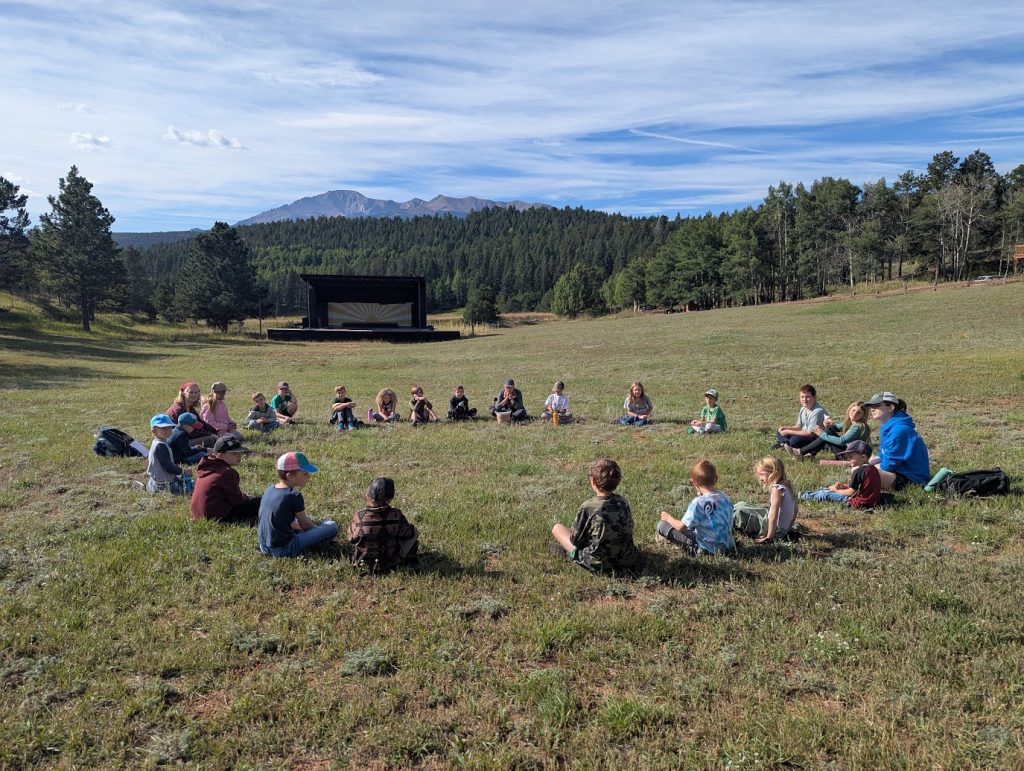
Maury Peterson: One of the most rewarding things we see is the moment nature becomes personal to a child. Once they’ve discovered an animal, explored a trail, learned how an ecosystem works, or simply realized that they enjoy being outside, they begin to see the natural world differently.
One example is Ava, an 11-year-old camper who arrived nervous and unsure about spending a week outdoors. By the end of camp, she had made new friends, discovered a love for wildlife, and was already asking her parents if she could return.
That’s what connection looks like. We believe children are more likely to care for something they know, understand, and value. By giving kids meaningful experiences in nature today, we’re helping them recognize that they have a role in protecting it tomorrow.
Kars4Kids: What’s next for Catamount Institute?
Maury Peterson: As Catamount Institute approaches its 30th anniversary, we’re excited about what comes next. We’re building on nearly three decades of experience while expanding opportunities for even more young people and families to connect with the outdoors.
A major part of that future is our 145-acre Mountain Campus in Woodland Park, which gives us tremendous potential to expand outdoor education, family programming, partnerships, and overnight experiences. At the same time, we’re strengthening our programs in Colorado Springs and deepening partnerships with schools and community organizations throughout the Pikes Peak region.
Our mission remains wonderfully simple: connect kids to the outdoors. But the impact can last a lifetime. We want every child we serve to leave with greater confidence, deeper curiosity, a sense of belonging in nature, and an understanding that they can help care for the world around them. That’s the future we’re working toward.