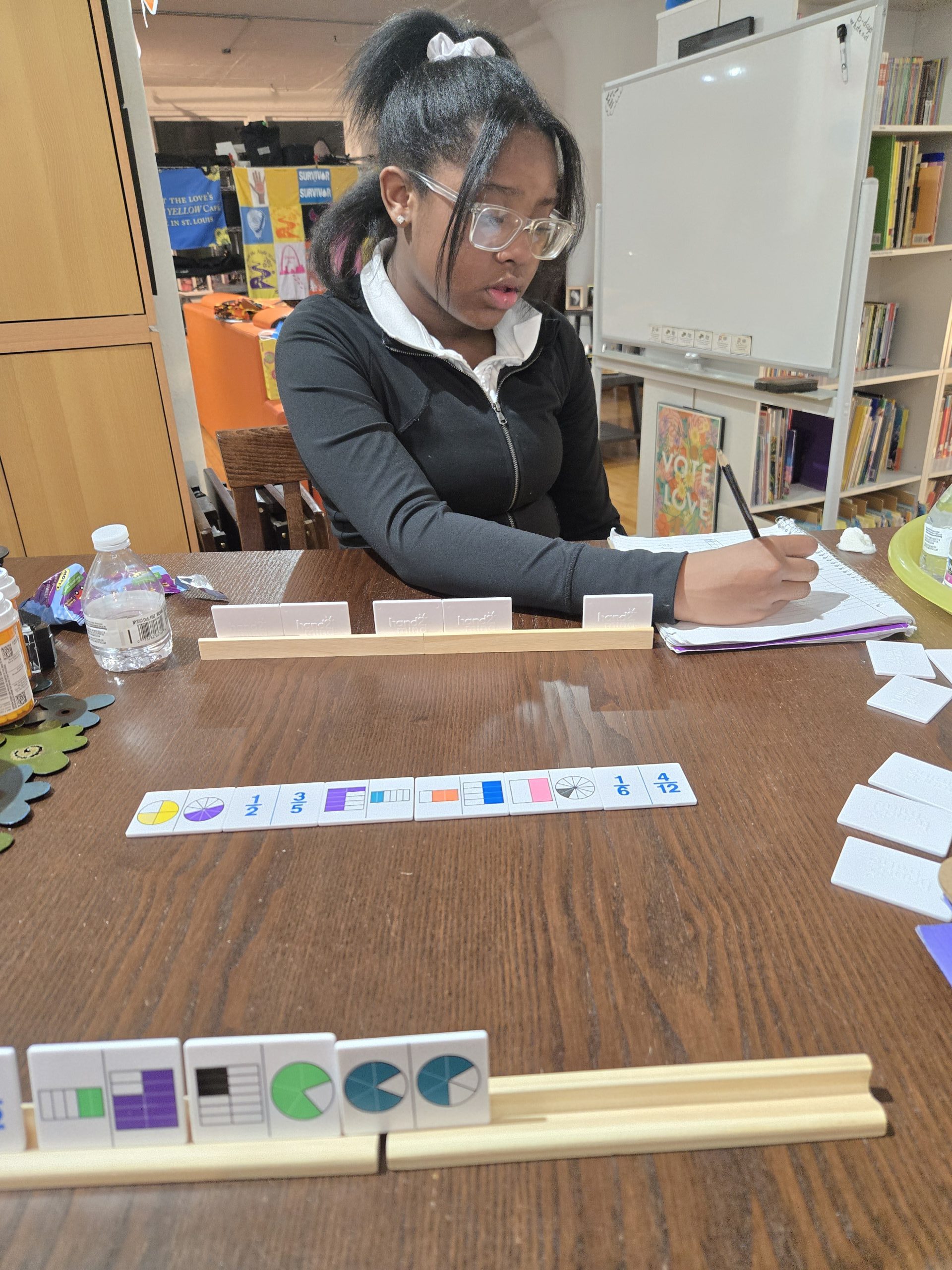
Inner City Youth Tutoring: Helping At-Risk Students Succeed One Child at a Time
Inner City Youth Tutoring (ICYT) works closely with children who might otherwise fall through the cracks, offering one-on-one academic support tailored to each student’s needs. Serving students from Pre-K through high school—many from low-income communities and under-resourced schools—ICYT provides the kind of consistent, individualized attention that many students simply aren’t able to get in a traditional classroom. Whether a child is struggling to catch up, trying to stay on track, or ready to push ahead, the focus is always the same: meeting each student where they are and helping them move forward with confidence.
Kars4Kids awarded a small grant to Inner City Youth Tutoring because of the organization’s clear commitment to individualized care for at-risk students. What stood out to us was the way ICYT centers its work on the child in front of them—taking the time to understand how each student learns and what they need to succeed. That kind of personal attention can make all the difference. To learn more about this important work, we put some questions to Inner City Youth Tutoring Executive Director Marsha McCleod.
Kars4Kids: ICYT serves students from predominantly low-income communities in St. Louis. Can you tell us more about the children you work with—their ages, academic starting points, and what a typical student’s situation looks like when they come to you?
Marsha McCleod: At Inner City Youth Tutoring (ICYT), we provide individualized, one-on-one support to at-risk students from PreK through 12th grade. Serving low-income communities in St. Louis primarily, 90% of our students attend under-resourced schools, often facing significant barriers to academic success. Each student comes to us with unique strengths and challenges—some are working hard to catch up, others strive to maintain grade-level progress, and some excel in advanced coursework but need additional guidance to reach their full potential.
Our Educational Enhancement Coaches (EEC) focus on assisting students in discovering how they learn best by helping them discover their learning style(s) while providing personalized instruction that builds both skills and self-confidence. By meeting students where they are, ICYT empowers them to achieve academically, gain self-assurance, and develop a lasting love of learning.
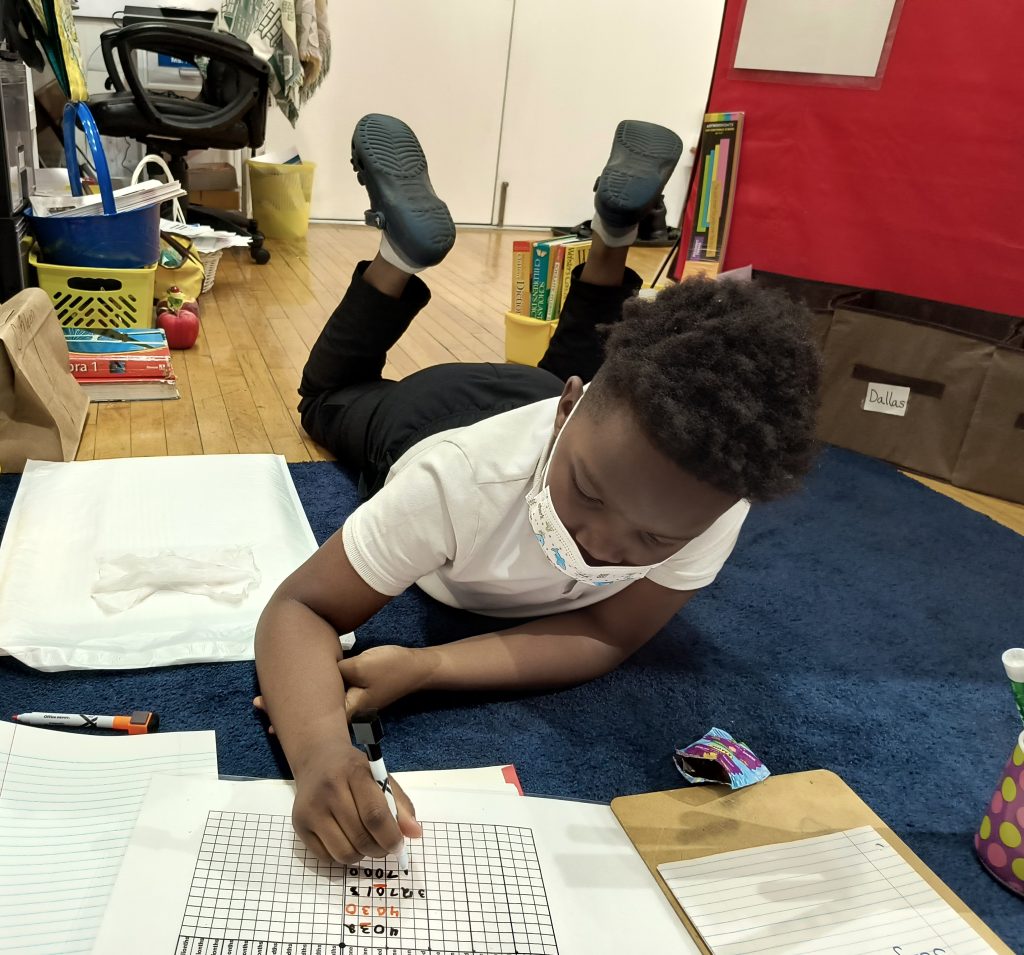
Kars4Kids: How do students typically find their way into your program? Are they referred by teachers, schools, or families—and what usually prompts that referral?
Marsha McCleod: Many students come to ICYT through referrals from family or friends. Often, a parent or guardian has noticed their child struggling in school or has received a suggestion during a parent-teacher conference that additional support could help. In other cases, parents want their child to reach their full potential or aren’t sure how to best support their learning at home, so they turn to ICYT for guidance. We become a trusted partner for families, helping students get the personalized attention they need to thrive academically and build confidence along the way.
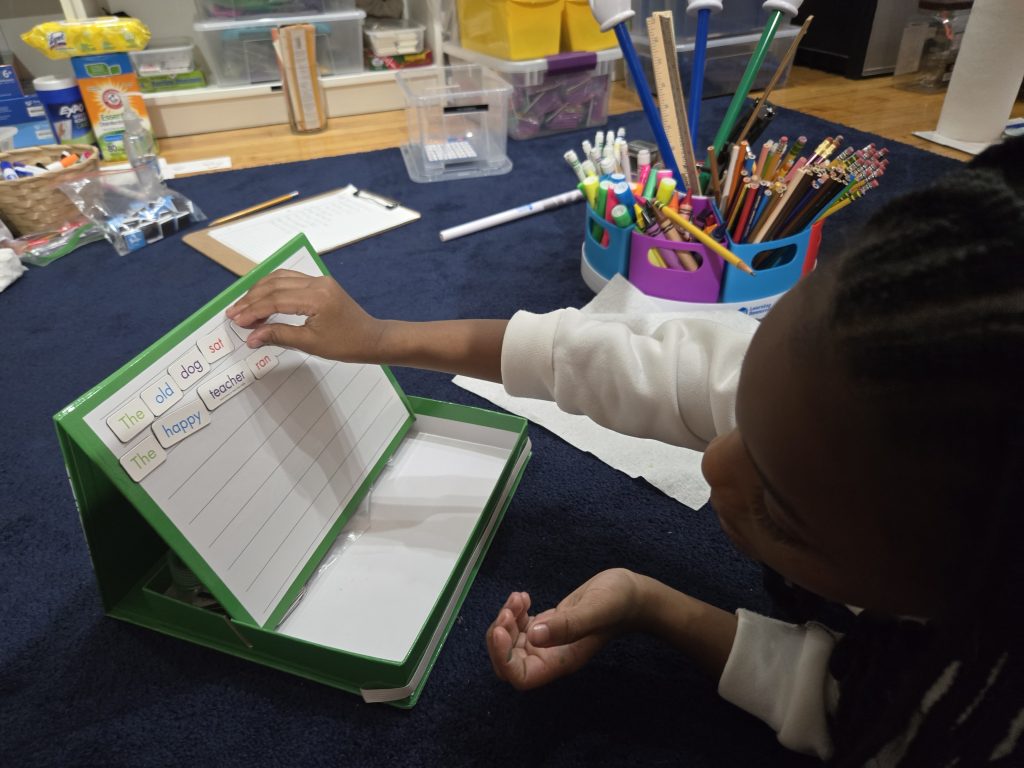
Kars4Kids: ICYT focuses on underserved, at-risk students. What are the most common academic and environmental challenges these children face when they first come to you?
Marsha McCleod: At ICYT, we work with underserved, at-risk students who come to us facing a variety of challenges both in and out of the classroom. Many are dealing with unstable housing, limited access to healthy food, and environments that make it difficult to focus on learning.
We often see students struggling with chronic tardiness and absenteeism, as well as high rates of suspensions and expulsions that reduce valuable classroom time and create a cycle of disengagement and punitive consequences. In addition, many students experience low engagement and learning difficulties, placing them at risk of falling behind or even dropping out. These issues are often rooted in deeper challenges such as poverty, trauma, and a lack of consistent support at home or in school.
On top of that, many of our students lack access to critical resources—such as tutoring, technology, and academic guidance—which makes it even harder for them to reach their full potential. That’s where ICYT steps in to help bridge the gap.
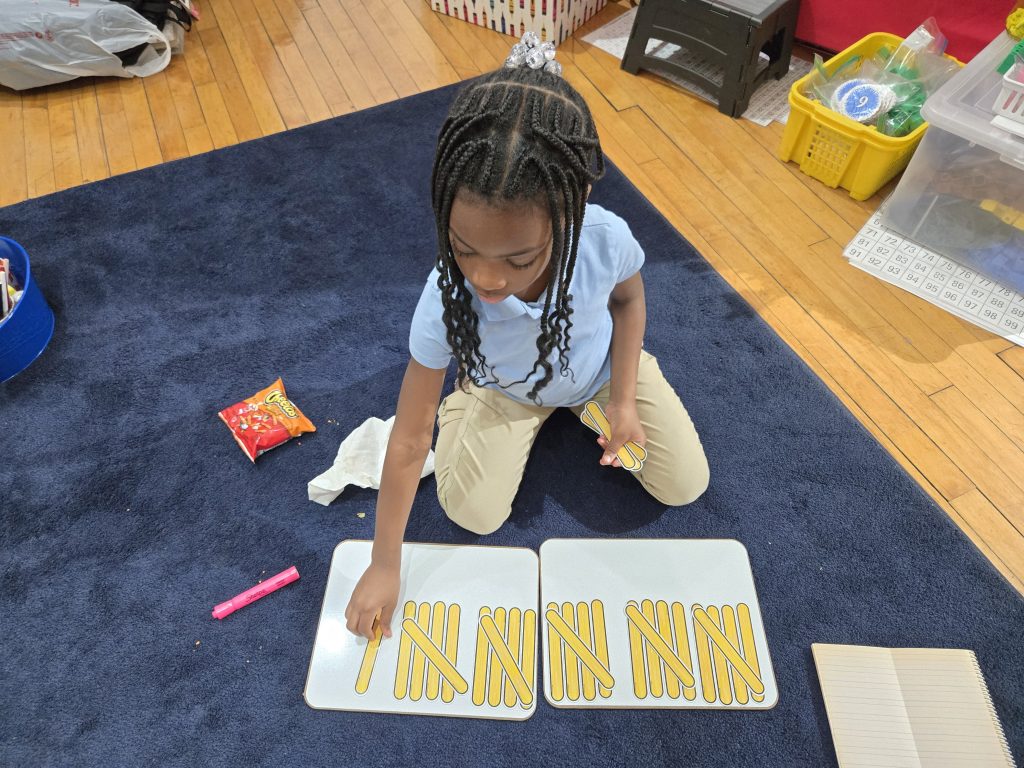
Kars4Kids: Your program is built around individualized learning plans. How do you assess each student’s needs and tailor instruction accordingly?
Marsha McCleod: We begin by assessing each student independently, without initially using school records, to gain an unbiased understanding of their academic level and learning style. From there, we develop a personalized learning plan tailored to their specific needs.
We monitor progress regularly—typically on a quarterly basis, and more frequently if needed—and maintain close communication with teachers, counselors, and other support staff. In addition, we review report cards and progress reports throughout the year to ensure alignment and make necessary adjustments to support each student’s continued progress.
Kars4Kids: ICYT offers both “push-in” and “pull-out” tutoring, often meeting students wherever it’s most convenient. How does that flexibility impact student engagement and success?
Marsha McCleod: ICYT’s ability to offer both “push-in” and “pull-out” support makes a significant difference in student engagement and success. By working with students directly in the classroom through push-in support, our EECs can see firsthand what is being taught, how it’s being delivered, and where students may be struggling. This allows them to identify gaps early and address them with urgency before they widen.
At the same time, pull-out sessions and additional support outside the school day provide targeted, focused instruction that reinforces what students are learning. This is especially important as many schools are no longer requiring homework, making additional academic reinforcement even more critical.
In the long run, the more consistent and unified the support, the greater the impact. Also, our EECs are able to meet students where they are and provide reinforcement exactly when and where it is needed most.
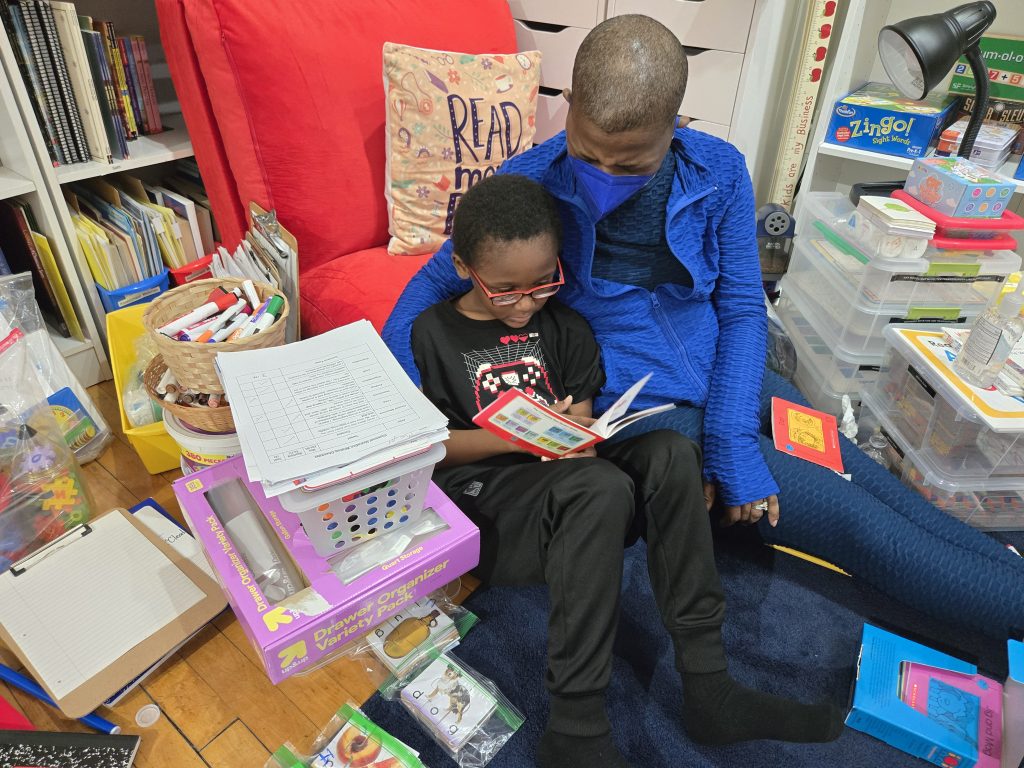
Kars4Kids: ICYT supports students across a wide range of subjects—from foundational skills to advanced coursework like algebra, trigonometry, calculus, and sciences such as biology and chemistry. How do you help students reach that level, especially if they begin below grade level?
Marsha McCleod: Every student who comes to ICYT brings unique strengths and challenges. Some are working to catch up, others are maintaining grade-level performance, and some are motivated to push beyond and excel in advanced coursework.
We meet each student where they are and build a strong academic foundation, while also nurturing their confidence and motivation. With consistent, individualized support, students are able to grow at their own pace and, over time, reach higher-level subjects like algebra, trigonometry, calculus, and advanced sciences.
For example, we’ve worked with a student since first grade who initially struggled and faced discouragement early on. Through her own determination, support from her teachers, and ongoing guidance from ICYT, she not only caught up but excelled. By May 2026, she will graduate with both her high school diploma and an associate degree through her school’s early college program.
Stories like hers show how, with the right support system, students can move from below grade level to advanced academic achievement and truly reach their full potential.
Kars4Kids: Your philosophy emphasizes educating the “whole student.” How does that approach shape what happens during a typical tutoring session?
Marsha McCleod: Focusing on the whole student is essential because teaching goes beyond academics. We purposefully pay attention to all areas of a student’s development—intellectual, physical, social, emotional, and cognitive—with an emphasis on their mental and even spiritual well-being when needed. I often say, “If a student is not feeling their best in these areas, they will struggle to fully grasp what they are being taught, because their basic needs are not being met.”
For example, if a student is hungry, we make sure they have something to eat. If a student is experiencing homelessness or instability, their need for shelter, clothing, food, and safety must come first, so ICYT steps in to help meet these essential needs. A person’s overall well-being is the foundation for education and learning.
Simply put, meeting a student’s essential needs is ICYT’s priority. Once these needs are addressed and consistently cared for, and the student feels stable and supported, then they are able to fully engage, learn, and when all is said and done, succeed academically.
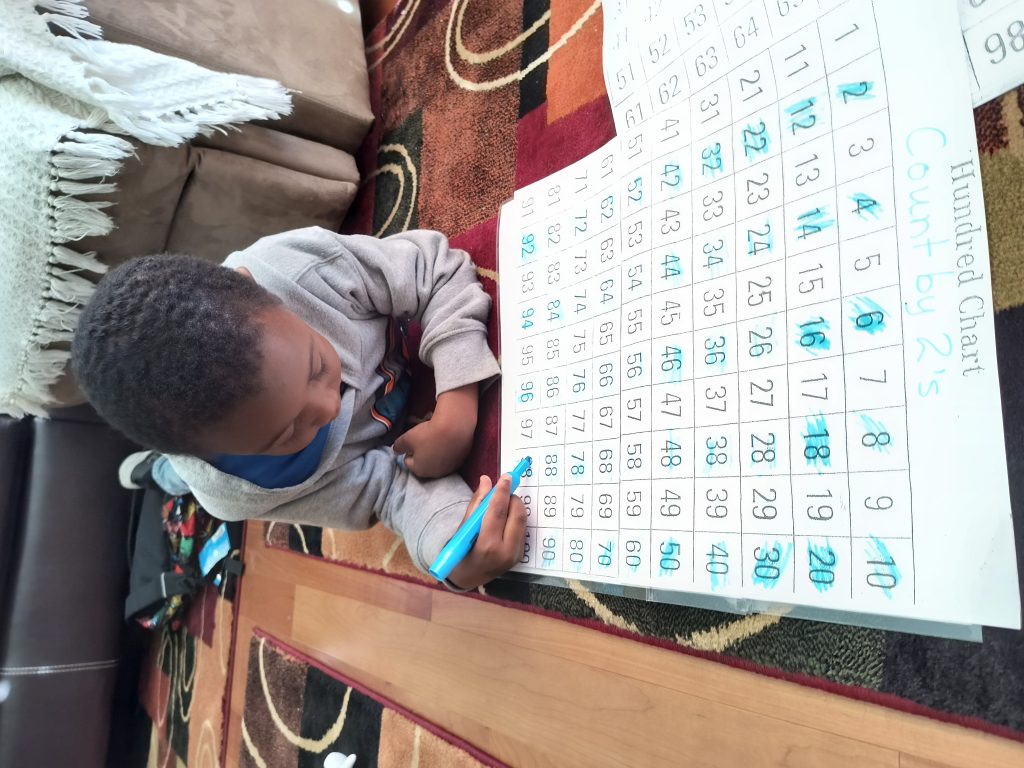
Kars4Kids: Can you tell us about your tutors—who they are, how they’re trained, and the role they play in supporting both students and families?
Marsha McCleod: ICYT’s Educational Enhancement Coaches (EECs) are on the front lines of our work and serve as trusted partners to both students and families. Because families depend on them, our EECs must build strong, meaningful relationships that foster trust, confidence, and consistency.
We value and welcome a variety of teaching styles among our EECs. Our coaches come from diverse backgrounds—some are certified teachers, while others are college juniors or seniors, retired educators, or individuals with tutoring or teaching experience. Engineering majors, medical students, and other professionals who share a genuine passion for helping students learn and succeed have been, and continue to be, part of our EEC team. Our team ranges in age from high school students to senior citizens. We do not discriminate; we simply seek individuals who are committed, compassionate, and dedicated to serving students from all walks of life.
To ensure quality, all EECs go through a strenuous, structured vetting and training process. This includes reference checks, drug testing, and a 30-day trial period involving hands-on teaching under close supervision. During this time, we conduct unannounced observations and gather feedback from students and parents/guardians. This comprehensive approach allows us to assess effectiveness, provide coaching, and ensure that each EEC is well-equipped to support both the academic and personal growth of our students.
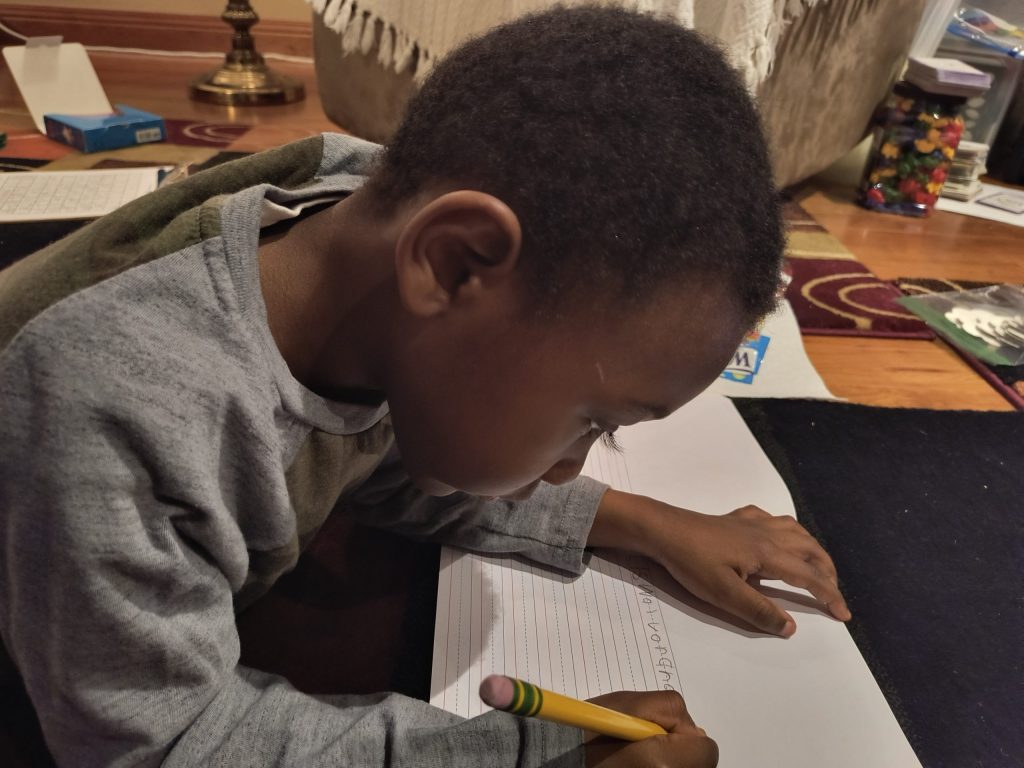
Kars4Kids: What role do parents or guardians play in the process? How do you engage families in their child’s progress?
Marsha McCleod: Parents/Guardians play a vital role in the educational process at ICYT. We believe that the home and school relationship should be a true partnership, with strong, consistent communication working together to support each student’s success.
Parents/Guardians are expected to volunteer a designated number of hours each year as a way of giving back to ICYT and its supporters, especially since many of our students receive financial assistance made possible through the generosity of our donors. This expectation also helps families understand the importance of service and gratitude. As I often say, “No one has to do anything for you,” so it is important to show appreciation by giving back and expressing gratitude, including through end-of-year letters.
In addition, Parents/Guardians are expected to actively participate in their student’s weekly tutoring sessions. This involvement allows them to better understand what their child is learning and how to support them outside of tutoring hours.
We emphasize the importance of open and ongoing communication between the school, families, and our EECs. Therefore, Parents/Guardians are encouraged to help maintain this connection and engage in regular updates. Additionally, EECs meet with Parents/Guardians outside of tutoring sessions to keep them informed of their student’s progress. This collaborative approach fosters a supportive environment that promotes academic achievement and overall student success.
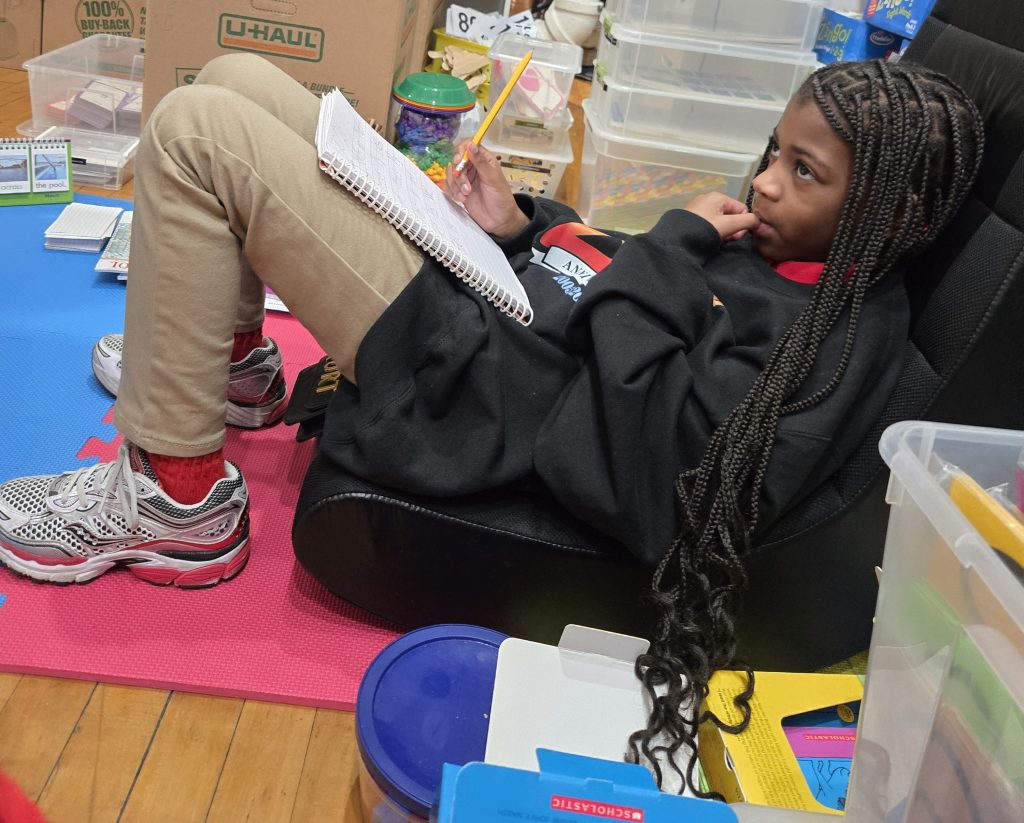
Kars4Kids: Looking ahead, what are your goals for ICYT, and how can support from organizations like Kars4Kids help you expand your reach?
Marsha McCleod: My goal for ICYT is to continue building strong partnerships with supporters who believe in our mission to educate at-risk youth whose families are unable to provide access to the quality education they deserve. A key priority is securing consistent funding that will allow us to expand our services and increase the number of tutoring days available to our students. Ideally, I would like each student to receive tutoring three to five days per week to ensure meaningful academic progress.
Many schools today rely heavily on technology and do not always provide enough hands-on instruction to ensure students fully understand and retain core concepts. As a result, we are seeing high school students who struggle with basic math skills—such as addition, subtraction, multiplication, and division—as well as younger students who are still developing foundational reading skills, including something as fundamental as how to properly hold and engage with a book.
These challenges are not limited to at-risk students; they reflect broader gaps in education across communities, particularly in under-resourced schools. This is precisely why ICYT’s work is so critical.
Support from organizations like Kars4Kids plays a vital role in helping us expand our reach. With consistent annual funding, we can provide additional tutoring sessions for current students while also extending our services to reach even more young people in need.