J.U.M.P.: Trauma-Informed Mentoring That Helps Youth Heal and Thrive
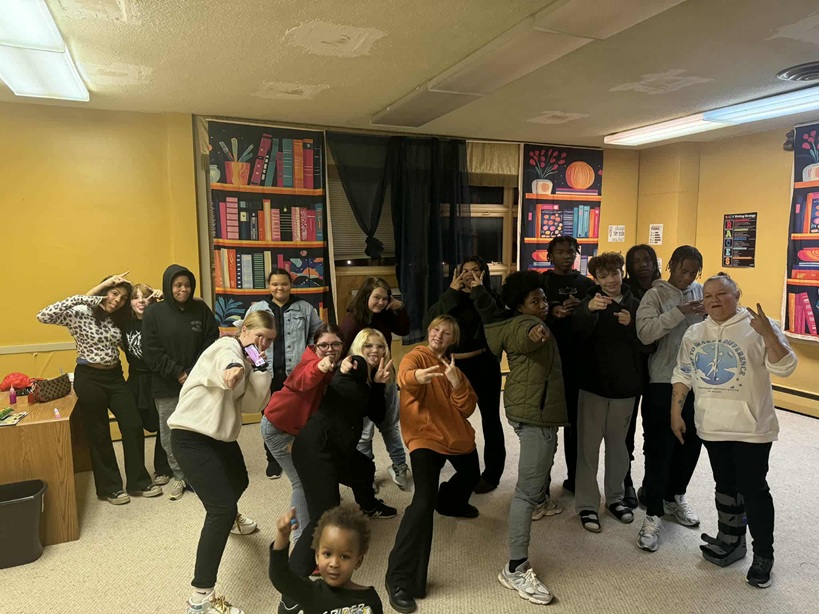
Juvenile Uplifting Mentoring Program (J.U.M.P.) supports youth ages 10–18 who are carrying a lot for their age. Many have lived through trauma, family instability, or school struggles, and some have already had contact with the juvenile justice system. What they often need most is something steady: caring adults, clear guidance, and a place where they feel seen.
That’s where J.U.M.P.’s trauma-informed mentoring makes a real difference. The program offers consistent one-on-one support while helping young people build life skills, stay engaged in school, and learn healthier ways to manage big emotions. Families are supported, too, with coaching, stronger communication tools, and connections to community resources.
Kars4Kids awarded a small grant to J.U.M.P. because their approach impressed us for both its depth and its heart. J.U.M.P. combines structure and accountability with compassion and a clear focus on healing.
We interviewed Founder/Director of Programs Intisar Martin to learn more about this work.
Kars4Kids: Tell us about the youth served by the Juvenile Uplifting Mentoring Program. What age groups do you work with, and what challenges are they facing when they come to you?
Intisar Martin: The Juvenile Uplifting Mentoring Program (J.U.M.P.) primarily serves youth ages 10 to 18, with some transitional support extending into young adulthood. Many of the youth who come to us are navigating significant challenges, including exposure to trauma, involvement with the juvenile justice system, school disengagement, family instability, behavioral health concerns, and limited access to positive role models. We often serve youth who have been labeled “at risk,” but we see them as resilient young people who simply have not yet been given the tools, structure, and consistent support they need to thrive.
Kars4Kids: What kinds of support does J.U.M.P. offer youth and their families—and how do you tailor your approach to meet their needs?
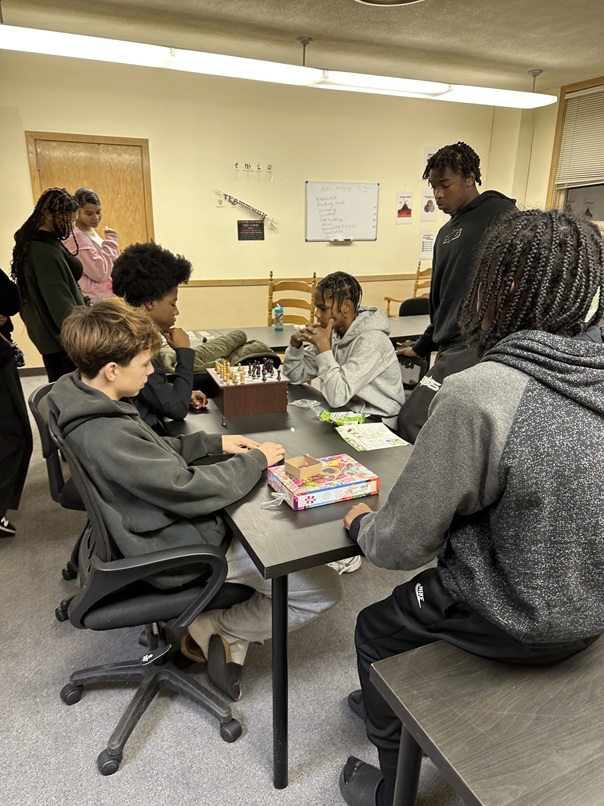
Intisar Martin: J.U.M.P. provides individualized mentoring, life-skills development, academic support, emotional regulation coaching, and family support services. Each youth receives a personalized mentoring plan based on an initial assessment that considers their emotional, behavioral, educational, and environmental needs. We work closely with families to strengthen communication, reinforce accountability, and connect them to community resources. Our approach is flexible and responsive—no two youth are treated the same, because no two life stories are the same.
Kars4Kids: How do young people typically come to your program? Are they referred by courts, schools, or community partners?
Intisar Martin: Most youth are referred through juvenile probation system, schools, behavioral health providers, and community organizations, though families may also seek out our services directly. These referral pathways allow us to reach youth early—often at a critical turning point—before challenges escalate further. Our collaborative referral model ensures that mentoring is integrated into a broader support network rather than operating in isolation.
Kars4Kids: J.U.M.P. uses a trauma-informed approach. What does that mean in practice, and how does it shape your programming?
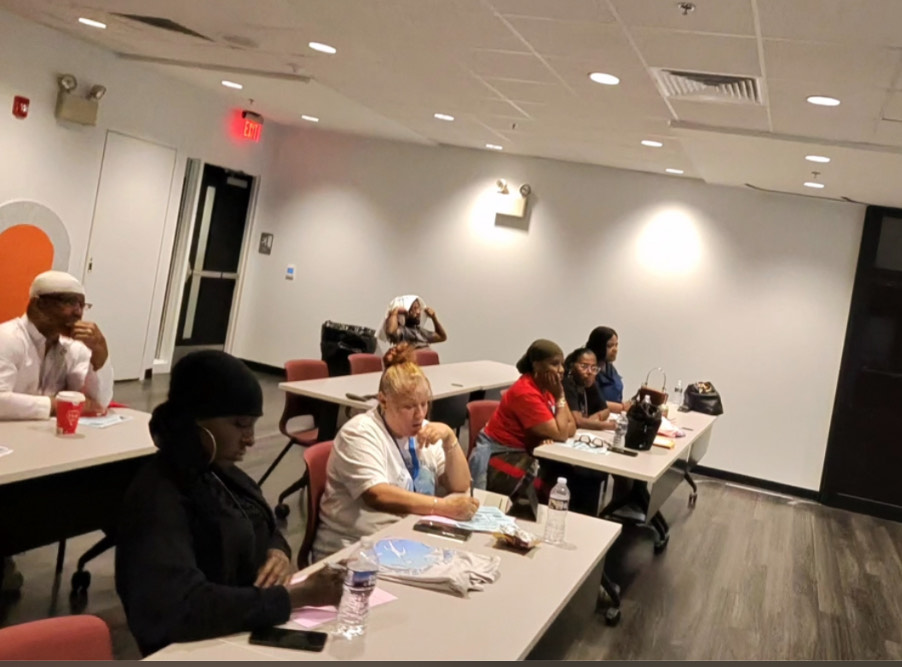
Intisar Martin: Being trauma-informed means we recognize that many behaviors are rooted in lived experiences rather than defiance or lack of motivation. In practice, this means creating safe, predictable environments, prioritizing trust, and teaching coping and self-regulation skills before expecting behavior change. Our mentors are trained to respond with consistency, empathy, and accountability—helping youth understand their emotions, identify triggers, and develop healthier responses to stress and conflict.
Kars4Kids: Your website emphasizes structure, accountability, and healing. Why is that combination so important when working with youth?
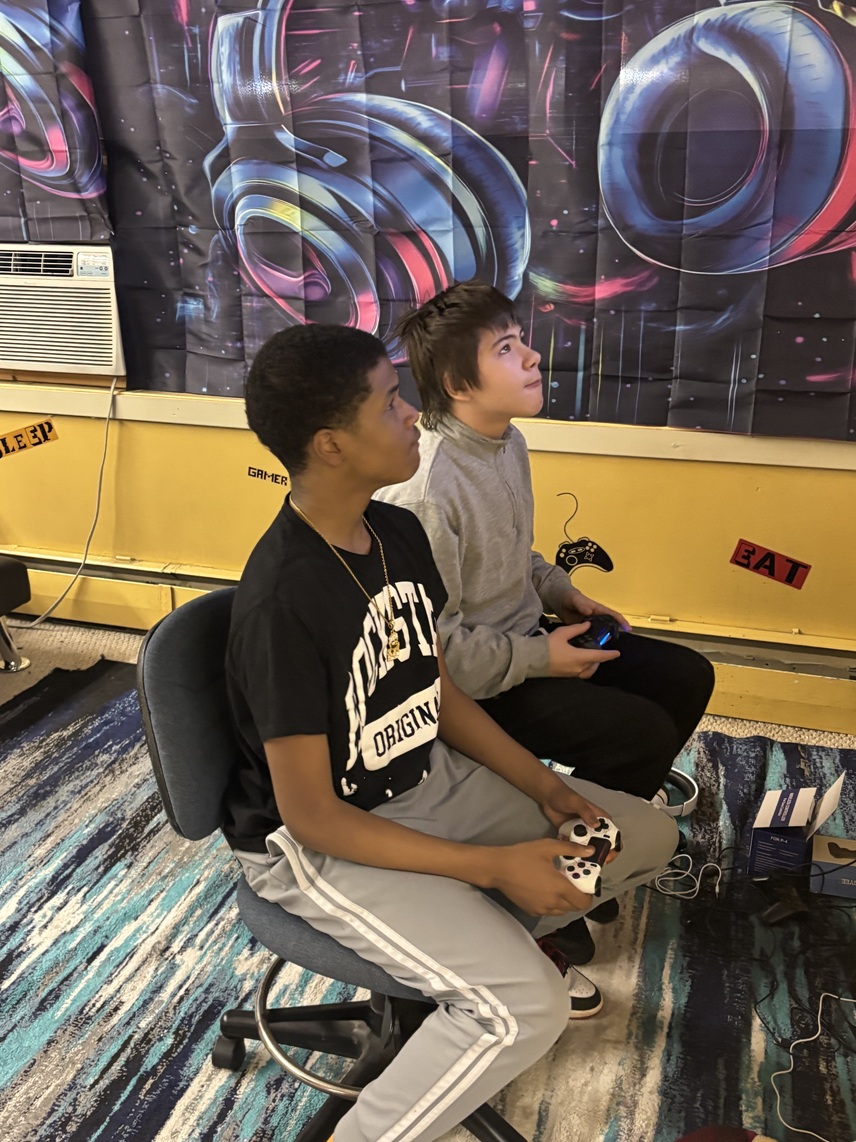
Intisar Martin: Structure provides safety, accountability builds responsibility, and healing restores hope. Many of the youth we serve have experienced chaos or inconsistency in their lives. By combining clear expectations with emotional support, we help youth feel secure while also learning to take ownership of their choices. Healing is what allows growth to last—without it, structure becomes punitive rather than empowering.
Kars4Kids: Can you tell us about the partnerships you’ve built in the community, and how they help expand your impact?
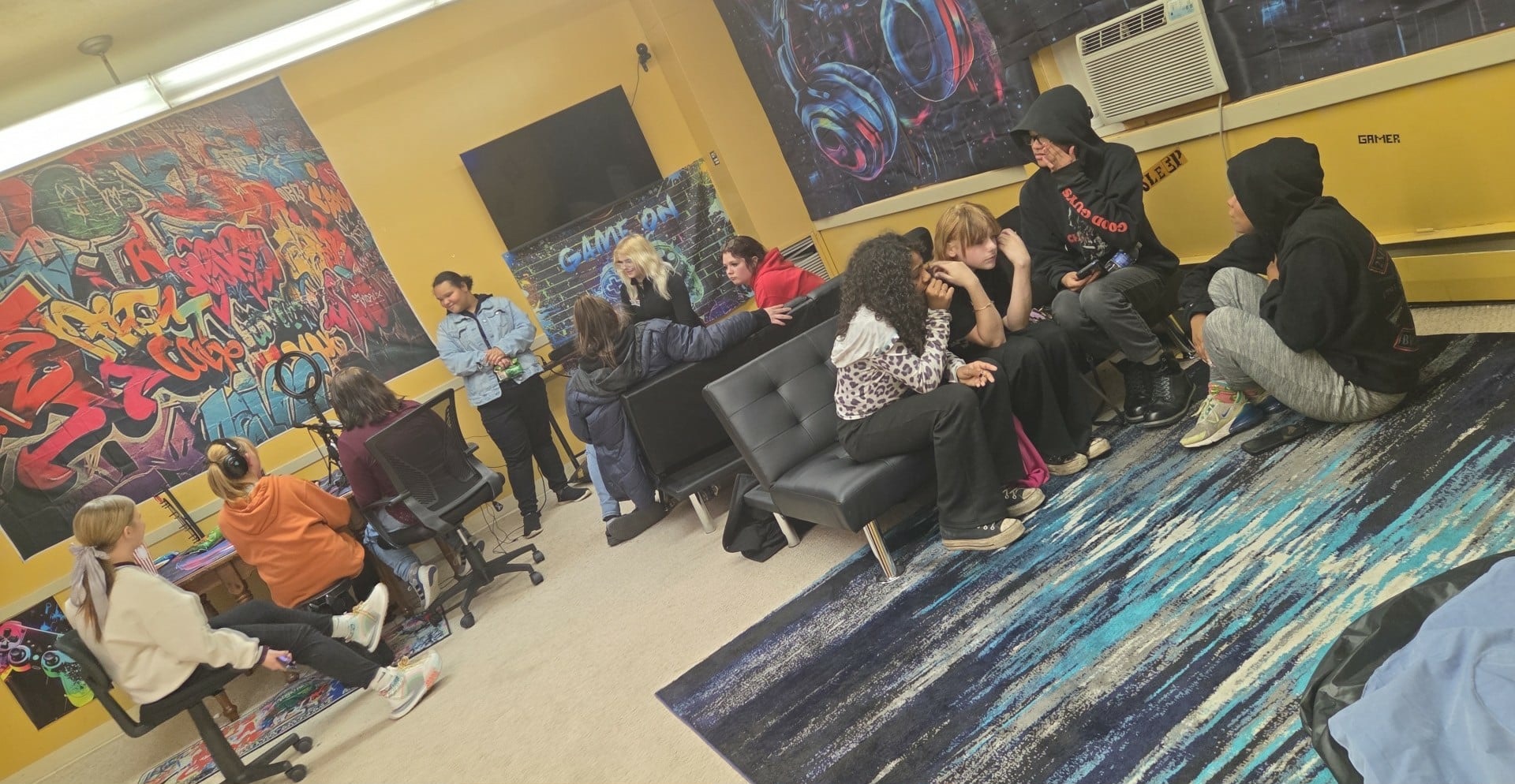
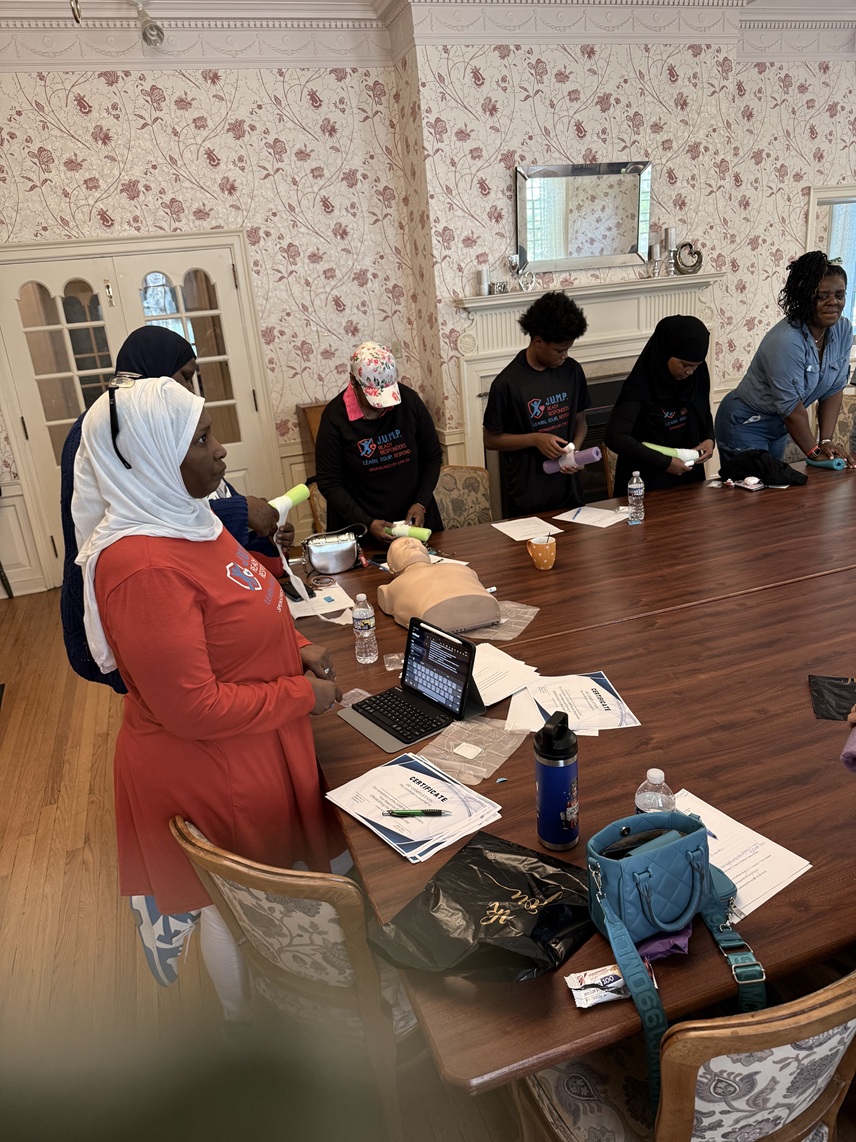
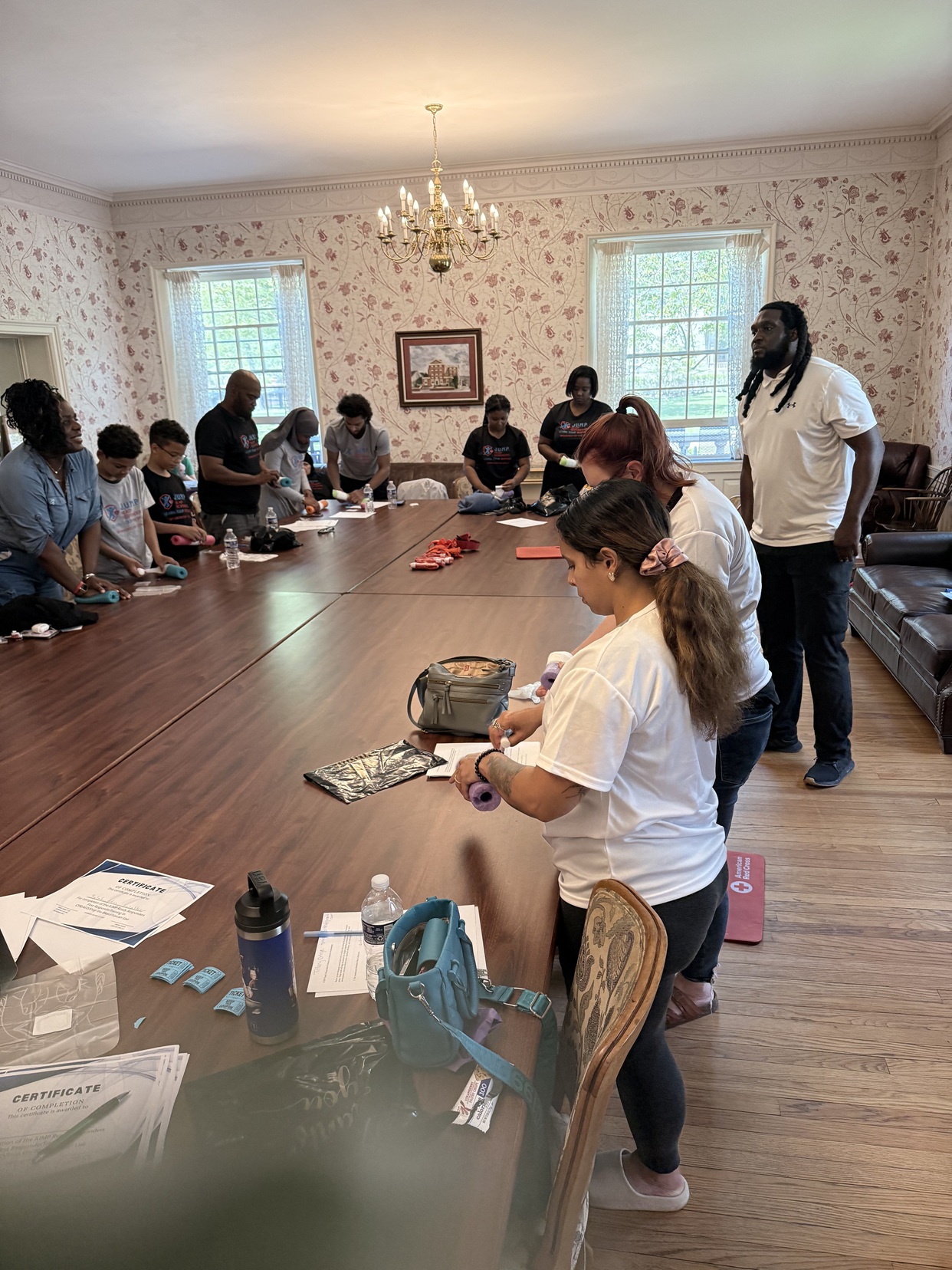
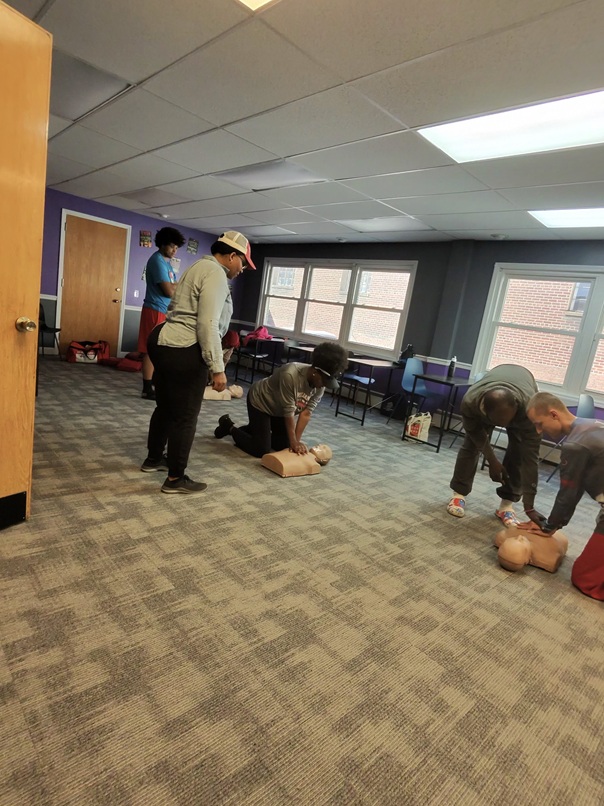
Intisar Martin: Our strongest partnerships are with organizations that provide direct, tangible support to youth and families. We actively collaborate with CPR211, West Branch Drug & Alcohol Abuse Commission, North Penn Legal Services, YWCA, and United Way. These partnerships allow J.U.M.P. to offer youth and families access to critical services such as behavioral health support, legal advocacy, emergency preparedness training, and family stabilization resources. By working alongside trusted community organizations, we are able to coordinate care, reduce service gaps, and extend our impact far beyond mentoring alone—ensuring youth receive consistent, wraparound support that addresses both immediate needs and long-term stability.
We also actively collaborate with schools, juvenile justice agencies, behavioral health providers, nonprofits, and local leaders to ensure comprehensive support for youth and families. These partnerships allow us to share resources, coordinate care, and extend our reach beyond mentoring alone. By working together, we reduce service gaps and create a stronger safety net for youth who need consistent, wraparound support.
Kars4Kids: You mention building life skills and coping strategies with youth. Can you share an example of a breakthrough moment or transformation you’ve witnessed?
Intisar Martin: One powerful moment involved a youth who initially struggled with anger and school refusal. Through consistent mentoring and coping-skills coaching, they learned to pause, communicate their needs, and advocate for themselves appropriately. Over time, their school attendance improved, disciplinary incidents decreased, and they began mentoring younger peers informally. Moments like this remind us that transformation happens when youth feel seen, supported, and believed in.
Kars4Kids: How does mentorship play a role in the work you do—and what makes a mentor successful in this kind of setting?
Intisar Martin: Mentorship is the foundation of J.U.M.P. A successful mentor is consistent, patient, accountable, and trauma-aware. Our mentors do not try to “fix” youth—they walk alongside them, modeling healthy decision-making and emotional regulation. Trust is built over time, and once that trust is established, real change becomes possible.
Kars4Kids: What do you see as the long-term impact of programs like J.U.M.P. on both individual participants and the broader community?
Intisar Martin: For individual youth, the long-term impact includes improved emotional regulation, stronger decision-making skills, academic engagement, and reduced involvement with the justice system. For the community, this translates into lower recidivism, stronger families, safer neighborhoods, and youth who grow into contributing adults. Investing in mentorship today prevents far greater social and economic costs tomorrow.
Kars4Kids: What’s next for the Juvenile Uplifting Mentoring Program? Are there any new initiatives or goals you’re working toward?
Intisar Martin: We are focused on expanding access to our services, strengthening evaluation and outcome tracking, and launching additional prevention-based initiatives that reach youth earlier. Our long-term goal is to scale J.U.M.P. while maintaining the personalized, relationship-driven approach that makes our program effective. We are committed to sustainability, community collaboration, and continuous improvement so we can serve even more youth with excellence.
Our upcoming programs include summer programs, spring break college expo, youth job development programs, job apprenticeships programs, Summer STEM Camp.