KidsFirst: Helping Families Build Safer Childhoods
A family’s struggles aren’t always visible from the outside. In California’s Placer County, often perceived as an affluent community, parents may be trying to keep a roof over their children’s heads while coping with trauma, anxiety, or the strain of raising a child without enough support. For a child living with that uncertainty, help for a parent can mean a calmer home, a more dependable routine, and an adult with more capacity to listen.
KidsFirst has worked to protect children and strengthen families since 1989, when it was founded to address gaps in services for children experiencing abuse and neglect. Today, its staff help families access counseling, parenting education, housing assistance, and other necessities that can become difficult to secure when several problems arrive at once. A parent might need guidance on a toddler’s development, help navigating benefits, or someone they trust enough to tell what is happening at home.
Keeping that help available takes resources and people willing to invest in families before their circumstances grow worse. KidsFirst, a Kars4Kids small grant recipient, works to reach children and caregivers early while also helping those already facing a crisis. In the written interview below, Grants & Development Specialist Isabelle Peters explains the needs behind the county’s prosperous image and the patient work of helping families find stability.
Kars4Kids: KidsFirst has been protecting children and strengthening families since 1989. What prompted its founding, and how has your approach evolved as the needs of local families have changed?
Isabelle Peters: KidsFirst was founded in 1989 to identify and address gaps in services for children experiencing abuse, neglect, and mistreatment, particularly those whose needs were not being met by existing resources. Over the past 36 years, our approach has evolved alongside the changing needs of children and families throughout Placer County. We recognize that protecting children requires more than responding to abuse; it means addressing the challenges that can put families at risk in the first place.
By listening to the families we serve and working alongside community partners, we have expanded our programs to address a broader range of needs, including mental and behavioral health, parenting education, case management, maternal and infant healthcare, and support for children impacted by trauma and exploitation. We understand that every family faces unique circumstances, and we strive to meet families where they are with compassionate, trauma-informed support that promotes safety, stability, and long-term well-being.
While our services have grown and adapted over the decades, our purpose remains unchanged: protecting children, strengthening families, and building a community where every child has the opportunity to grow up safe, supported, and thriving.
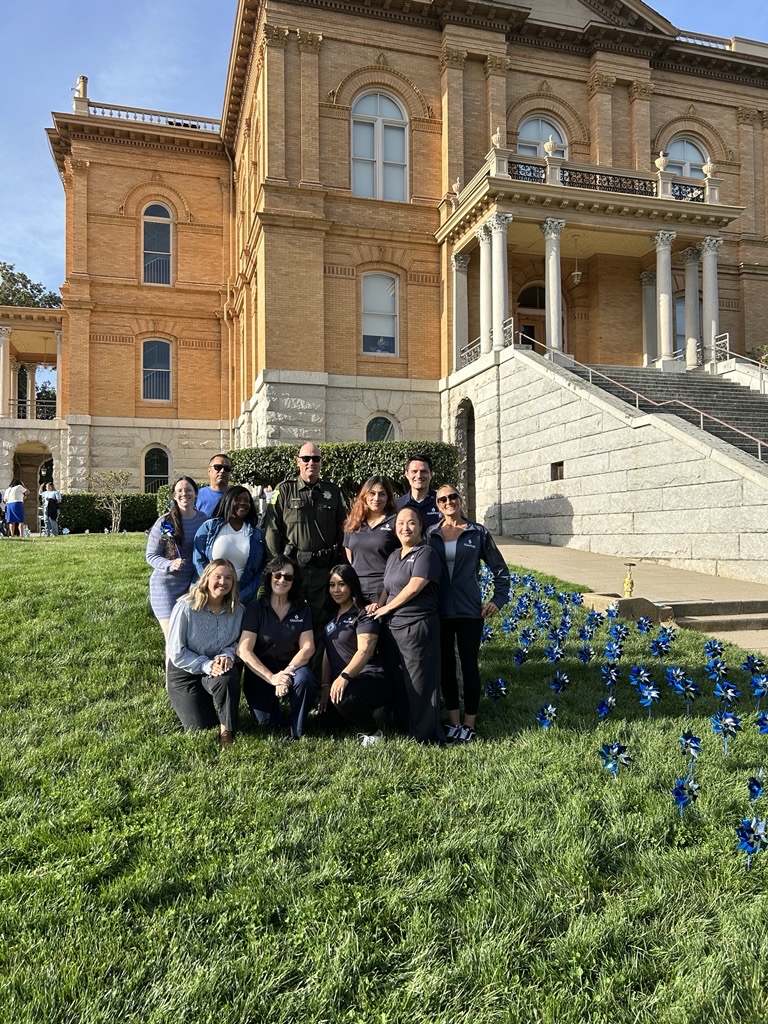
Kars4Kids: Tell us about the children and families you serve in Placer County. What challenges are bringing families to KidsFirst today, and what might surprise our readers about the needs in your community?
Isabelle Peters: KidsFirst primarily serves low-income children and families throughout Placer County who face barriers to meeting basic needs, limited access to resources, and the impacts of Adverse Childhood Experiences (ACEs). Many of the families we work with are navigating multiple challenges at once, including financial hardship, housing instability, food insecurity, domestic violence, substance use, and mental and behavioral health concerns. These circumstances can place significant stress on caregivers and affect a child’s sense of safety, emotional well-being, and ability to thrive. Some families need immediate assistance with essentials such as food, clothing, hygiene supplies, or financial support to remain safely housed, while others need longer-term guidance, counseling, and family support to navigate difficult circumstances and build stability.
We also serve children who have experienced abuse, neglect, exploitation, or other traumatic events that can have lasting effects on their development and relationships. ACEs can influence a child’s emotional regulation, behavior, academic success, and ability to form healthy relationships, particularly when they do not have consistent access to safe and supportive adults. Our goal is to intervene early, reduce the effects of trauma, and connect children and caregivers with the services and resources they need to heal, strengthen family relationships, and prevent further harm. By providing individualized, trauma-informed care, KidsFirst works to ensure families are not defined by their hardships and have the opportunity to build safer, healthier futures.
What may surprise Kars4Kids readers is that child abuse and family adversity are not limited to communities typically associated with poverty or instability. Even in Placer County, which is often perceived as an affluent community, thousands of children are affected by these challenges. According to the 2024–2025 data, Placer County received 4,277 Child Protective Services reports involving children, with 231 children experiencing serious abuse, trauma, or neglect and 147 children removed from their homes for their safety. These figures underscore the urgent need for prevention, intervention, and ongoing support.
At KidsFirst, we recognize that behind every statistic is a child and a family who deserve safety, compassion, and the opportunity to heal. Our work goes beyond responding to crises; we help families access counseling, case management, basic necessities, and community resources so they can build stability and prevent further harm.
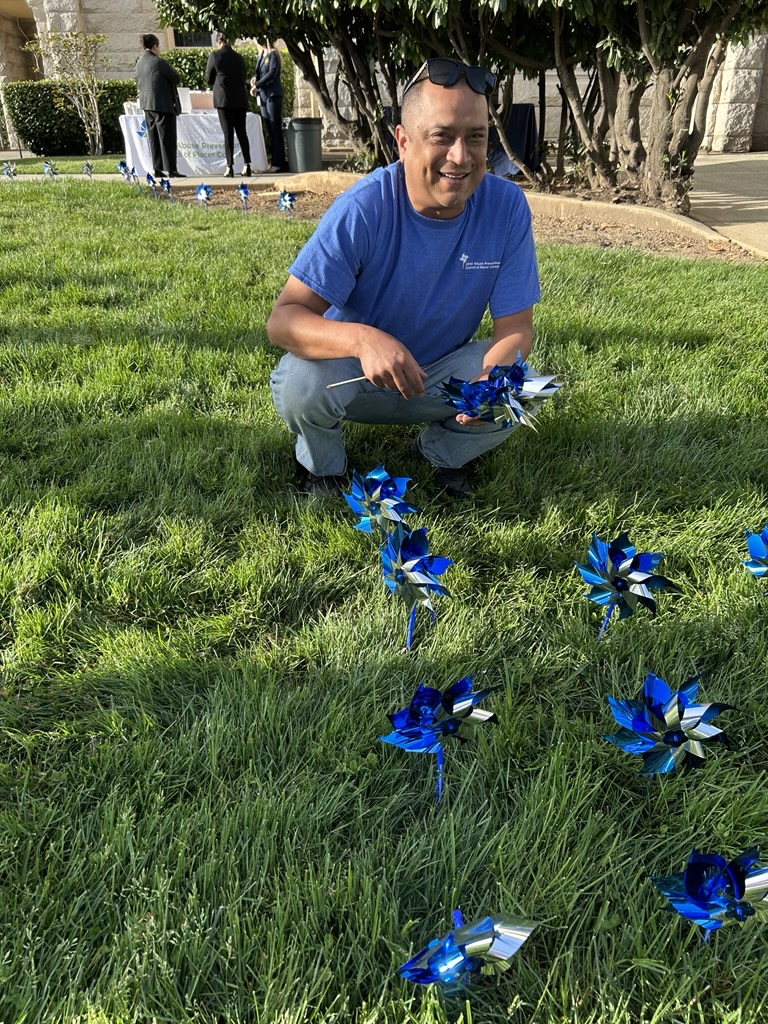
Kars4Kids: Your Parents as Teachers program brings parent educators into the homes of families with young children. Can you walk us through a typical visit? How do you help parents feel comfortable having someone come into their home to discuss parenting?
Isabelle Peters: Parents as Teachers (PAT) is KidsFirst’s longest-standing program, providing essential guidance, education, and support to parents and caregivers of children from infancy through age five. Recognizing that the earliest years of a child’s life are critical to their long-term development, PAT focuses on helping parents build strong, healthy relationships with their children while fostering the skills and confidence needed to navigate the challenges of early parenthood. Through individualized, family-centered support, parent educators help caregivers understand their child’s developmental milestones; strengthen positive parenting practices; encourage healthy emotional and social development; and create safe, stable, and nurturing home environments. The program also helps parents recognize and respond to their children’s unique needs, build secure attachments, and establish the foundation for healthy relationships throughout their lives. By equipping caregivers with practical tools, trusted guidance, and connections to additional resources when needed, PAT empowers families to overcome challenges, support their children’s growth, and build a strong foundation for lifelong health and well-being.
One of our parent educators, Malaika Daniju, walked us through what a typical home visit may look like. She first clarified that PAT does not solely meet in the home. They often meet parents in public places, such as the park or a coffee shop; everything is based on parents’ comfort, what works for the family, and their current stressors. PAT starts by conducting a general interview to get to know the parent or parents and child. They ask if they are noticing developmental concerns in their child or address any other questions parents may have. PAT provides details on what is developmentally appropriate for their child’s age and what may be important milestones their child should be reaching. PAT also guides parents in building effective goals, which is extremely beneficial for parents and children alike. No visit is quite the same with PAT; our team meets parents where they are and builds a plan that works for each client individually. Relationship and trust-building are at the forefront of this program.
Kars4Kids: KidsFirst offers counseling alongside practical help with needs such as housing, utilities, and access to benefits. How do your teams work together when a family needs several kinds of support at once?
Isabelle Peters: When a family comes to KidsFirst with multiple concerns, our process begins with an intake interview conducted by one of our skilled case managers. This initial conversation helps us understand the family’s circumstances, identify immediate needs, and determine which services and resources will provide the greatest support. From there, our team works with the family to prioritize urgent concerns, whether that means connecting them with counseling; exploring financial assistance for housing or utilities; accessing basic needs resources; or navigating public benefits such as CalWORKs, CalFresh, and Medi-Cal.
Collaboration is central to how we serve families. Our PAT team, case managers, and therapists communicate regularly and work closely together to develop coordinated, individualized care plans that address both the practical and emotional challenges a family may be experiencing. For example, a family facing housing instability may also be experiencing significant stress, anxiety, or challenges in parenting. By working together, our teams can help the family pursue housing and financial resources while also providing counseling and emotional support. This integrated approach recognizes that challenges rarely occur in isolation and that addressing one area of need can make it easier for a family to make progress in others.
We also recognize that every family’s circumstances are different, and our approach is flexible as needs evolve. Our teams work together to monitor progress, identify additional barriers, and connect families with appropriate services as new concerns arise. When a need falls outside our scope of services, we collaborate with trusted community partners and refer families to organizations better equipped to provide specialized assistance. Likewise, we receive referrals from community organizations that recognize KidsFirst can provide the support a family needs.
Ultimately, our goal is to reduce the burden on families by helping them navigate complex systems, access resources, and receive coordinated support in one place whenever possible. By bringing together behavioral health services, case management, and practical assistance, KidsFirst helps families address immediate challenges while building the stability, confidence, and skills they need to move toward long-term well-being.
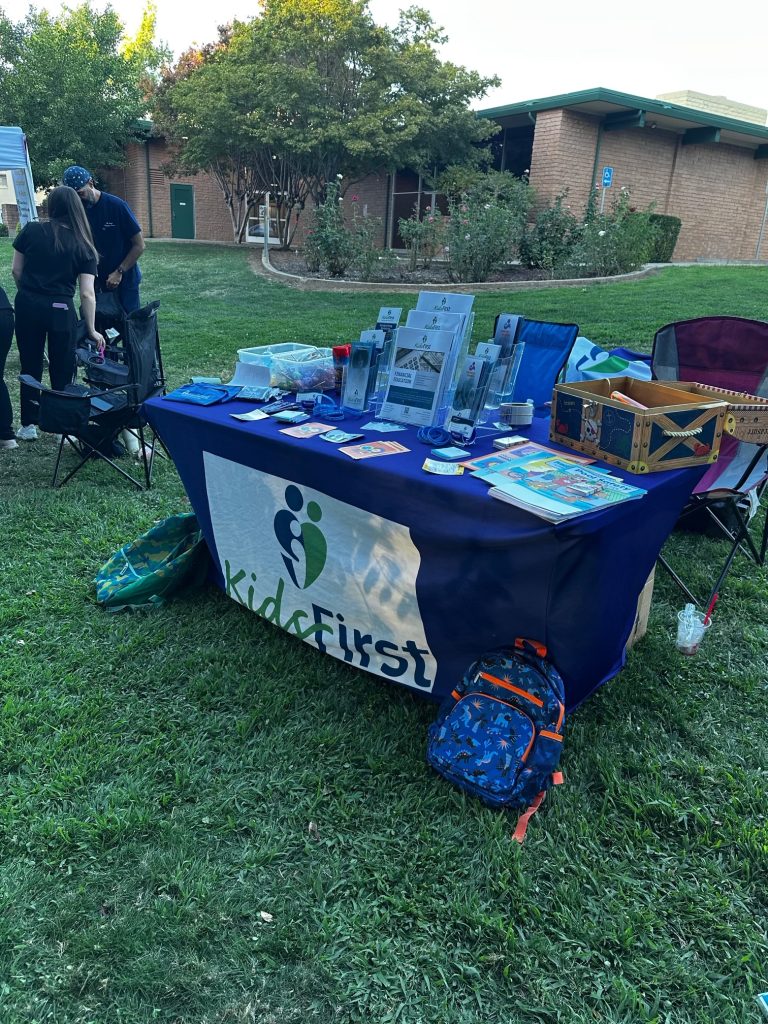
Kars4Kids: Without sharing identifying details, could you tell us about a child or family whose experience captures what KidsFirst hopes to accomplish? Looking ahead, what would you most like to make possible for more of the families you serve?
Isabelle Peters: One of the greatest accomplishments at KidsFirst is being able to support a child or family in addressing the many challenges they face, rather than having to navigate those challenges alone. Reaching out for help can be one of the hardest steps a family takes, especially when they are experiencing financial hardship, housing instability, parenting challenges, or concerns about their child’s mental and emotional well-being. We want every family who walks through our doors to feel welcomed, heard, and supported without judgment.
Whether we are connecting a family to counseling, helping a parent access basic necessities, providing guidance through our Parents as Teachers program, or coordinating resources to help a family remain safely housed, our goal is to meet families where they are and walk alongside them as they work toward stability. Sometimes, making a meaningful difference begins with addressing an immediate crisis. From there, we can help families build the confidence, skills, and support systems they need to move forward. We believe that when parents feel supported and children have access to safe, nurturing environments, families have a stronger foundation to thrive.
Looking ahead, we hope to make this kind of comprehensive, coordinated support possible for even more children and families throughout Placer County. We want to reach families before challenges escalate into crises, reduce barriers to accessing mental health services and basic necessities, and ensure that families do not have to choose between meeting their immediate needs and prioritizing their emotional well-being. With continued community partnerships and funding, we can expand access to essential services, respond to emerging needs, and provide consistent support throughout a family’s journey. Ultimately, we want every child in Placer County to have the opportunity to grow up safe and supported, and every family to know that asking for help is not something they have to do alone.