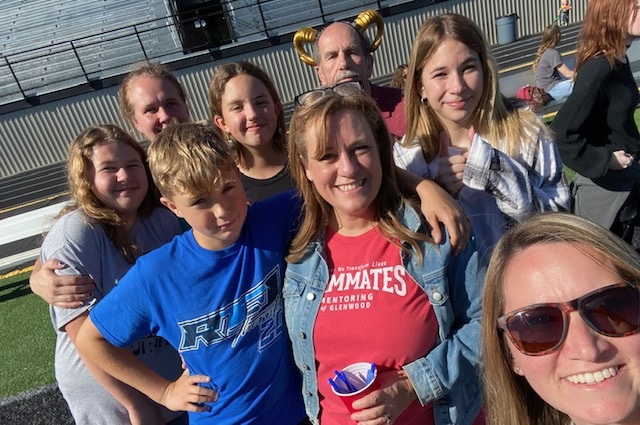
TeamMates Glenwood: Building Futures One Mentor at a Time
TeamMates Mentoring was founded in 1991 by College Football Hall of Fame coach Tom Osborne and his wife Nancy, with a simple but powerful belief: that every young person deserves a caring adult in their corner. What began with a handful of football players mentoring students in Lincoln, Nebraska has grown into a regional network serving thousands of youth across multiple states. The Glenwood, Iowa chapter, established in 2019, is one of the program’s newer additions — and already a standout, having been named Chapter of the Year for 2023–2024 by the central TeamMates office.
Through small grants like the one awarded by Kars4Kids, chapters like TeamMates of Glenwood are able to sustain and grow the one-on-one mentoring relationships at the heart of the program. Mentors commit to meeting weekly with their student for a minimum of three years — a significant investment that the program’s results suggest is more than worth it.
We put some questions to Sandra Dollen, Glenwood Coordinator of TeamMates Mentoring.
Kars4Kids: Can you tell us about the history and early beginnings of TeamMates Mentoring? At what point was a chapter opened in Glenwood, and how many students do you serve today?
Sandra Dollen: TeamMates was founded in 1991 by Coach Tom Osborne and his wife, Nancy, with the core mission of supporting students to reach their full potential through one-on-one mentoring. What started with just 22 football players mentoring local youth in Lincoln, Nebraska, has grown into a massive regional network.
Our Glenwood chapter was established in 2019 to bring that exact culture of dedicated support directly to Glenwood schools.
Today, we proudly serve 100+ active student-mentor matches across our school district, serving grades 3rd to 12th grade, ensuring that our local youth have a consistent, encouraging champion in their corner throughout their school years.
While we are a relatively young chapter, we are incredibly proud that our dedication was recognized at the highest level when we were awarded the regional “Chapter of the Year” for 2023–2024 by the central TeamMates Office.
Kars4Kids: How do children come to be matched with a TeamMates mentor? Are they part of a specific demographic, or are they referred by teachers, school counselors, or social workers?
Sandra Dollen: One of the most beautiful aspects of TeamMates is that it is open to any student who wants or could benefit from a mentor — there is no specific demographic or socio-economic requirement. There are three ways in which a student is nominated. The most common way is through the student themselves, a parent, or someone within the school district. TeamMates believes that everyone deserves a mentor if they want one.
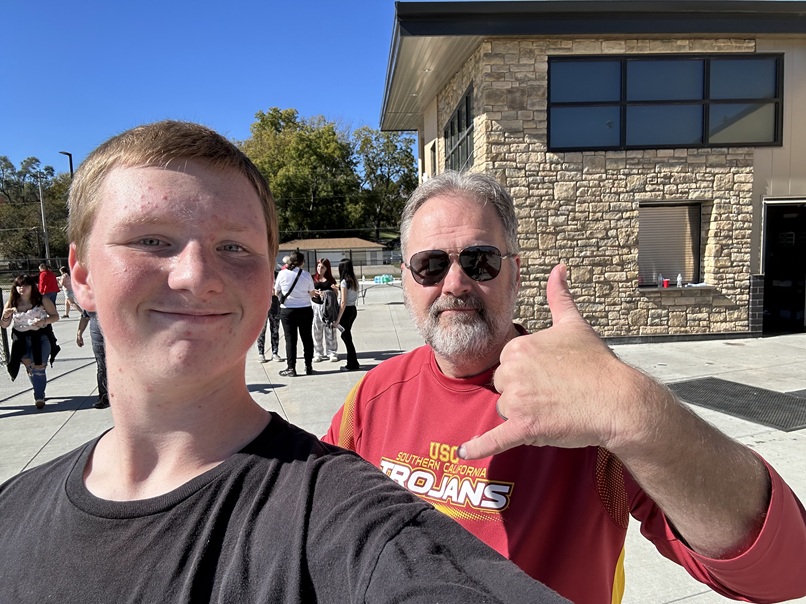
Kars4Kids: TeamMates asks mentors to commit to at least three years of weekly meetings — a significant pledge for a volunteer. How do you recruit and retain mentors in a community like Glenwood, and what draws people to make that commitment?
Sandra Dollen: Glenwood is an incredibly tight-knit, generous community, which makes our recruitment unique. We connect with local businesses, community organizations, faith communities, and school staff to find people who care about our youth. Our deep integration into the community was recently celebrated when we were named the “Non-Profit/Club of the Year” by our local Mills County Chamber of Commerce. This local trust makes a huge difference in our recruitment.
While a three-year commitment sounds big initially, what draws people in — and keeps them here — is the relationship itself. Once a mentor sees the impact of just showing up, it doesn’t feel like a chore; it becomes a highlight of their week. We retain our wonderful volunteers by offering them continuous support, periodic check-ins, and a community of peers where they feel valued and equipped.
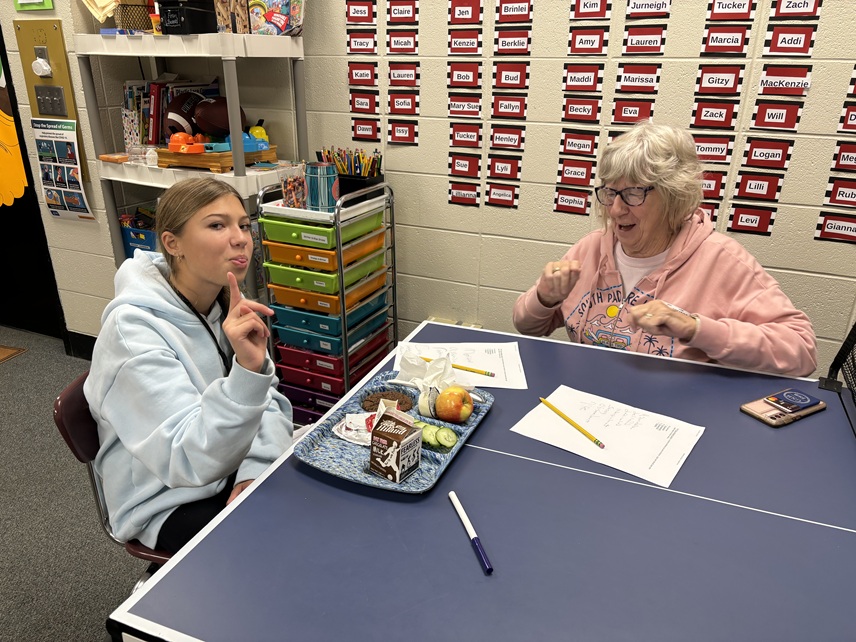
Kars4Kids: Once someone decides they want to be a mentor, what does the process look like from application to match? What are you looking for when you pair a mentor with a student?
Sandra Dollen: Safety and compatibility are our highest priorities. The process begins with an application and background checks, and then we have a training session to prepare the mentor. As this is going on, we look for shared interests and personality traits that would align with a particular student. We look closely at things like, “What does this specific student love, and who would naturally complement their personality?” Whether it’s a shared love for sports, crafting, or just a similar quiet, relaxed nature, we look for that spark that will make conversation and connection feel easy and natural.
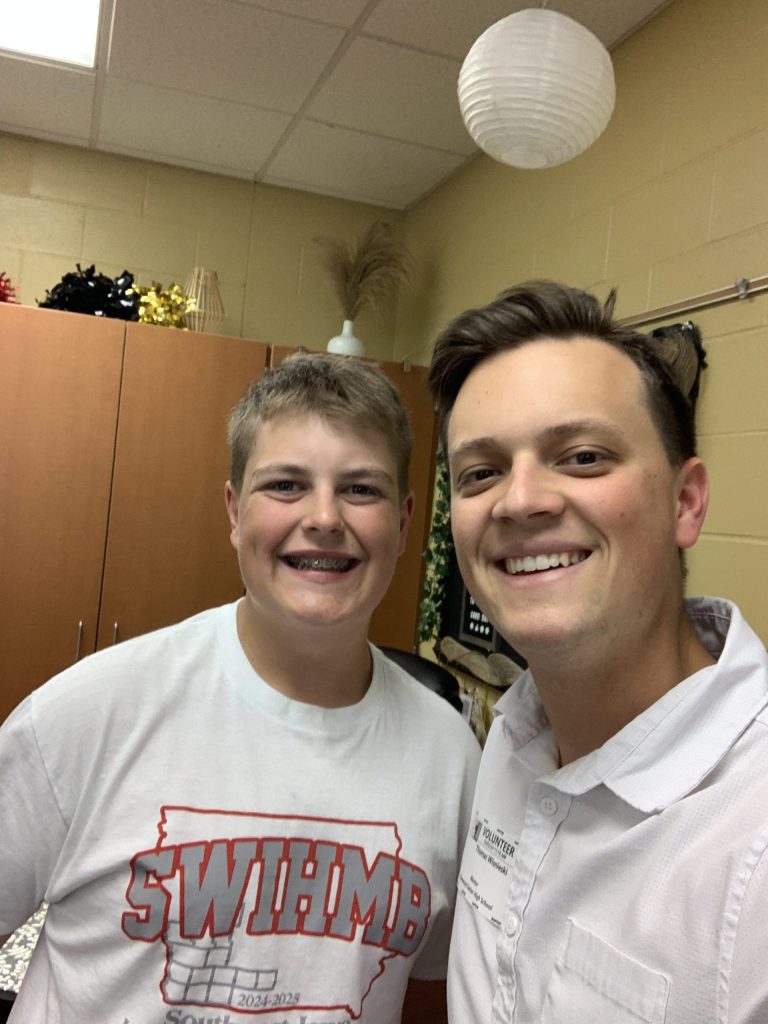
Kars4Kids: TeamMates mentors meet with their mentees for 30 to 60 minutes once a week during the school day. What do mentors and mentees typically do during a visit, and is that relatively brief window of time really enough to make a meaningful difference?
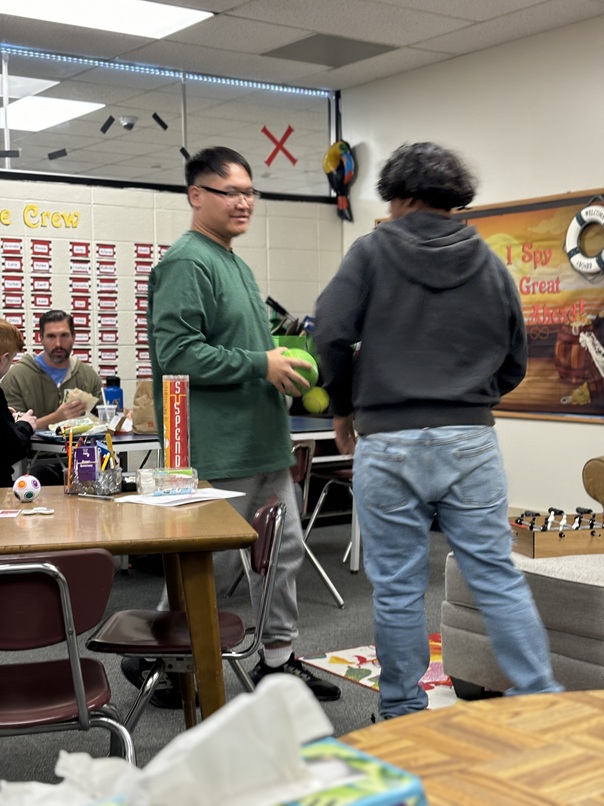
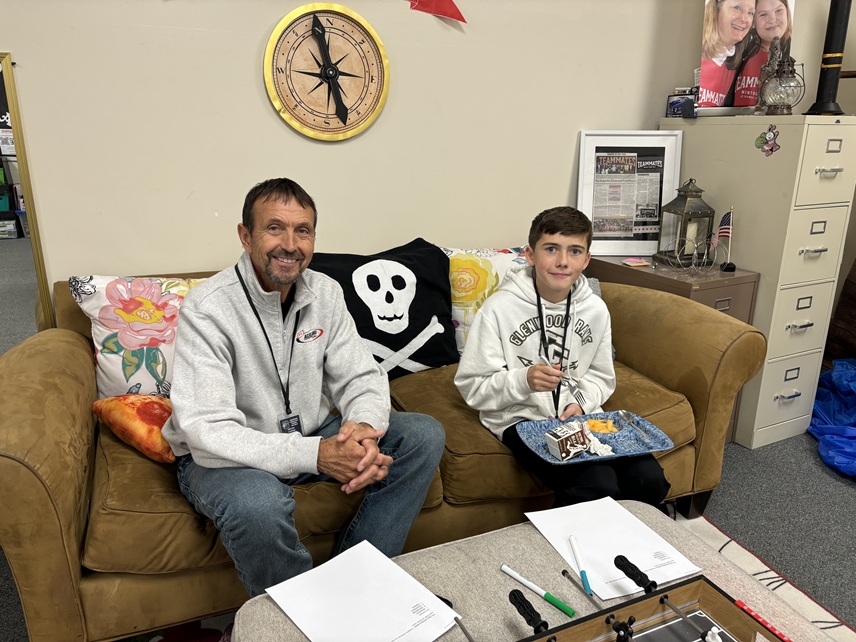
Sandra Dollen: During a visit, you might see a pair playing cards, a board game, working on a craft, playing ping pong, or simply just sitting and chatting about how their week is going. It’s entirely student-led.
Does that relatively brief window of time really make a difference? Absolutely. It is not about the quantity of time; it is about consistency. For a student, knowing that a busy adult chose to leave their workplace every single week just to focus entirely on them is incredibly powerful. That reliable, undivided attention builds a foundation of trust that carries a student through the rest of their school week.
Kars4Kids: TeamMates describes the mentor’s role not as fixing or rescuing a child, but as showing up consistently as a caring adult. How do you help mentors understand that distinction, and why does it matter so much for the relationship to work?
Sandra Dollen: We emphasize this heavily during our initial training and ongoing support. We tell our mentors: “You aren’t there to fix their problems or lecture them on grades; you are there to be their friend and cheerleader.” This distinction is vital because it removes the pressure from both sides. If a student feels like they are a “project” to be fixed, they will close off. But when they realize their mentor is just there to accept them exactly as they are, it creates a safe space. It allows the student to build genuine self-worth, knowing they are valued for who they are, not what they need to improve. We are a strengths-finder program — we look for the student’s strengths and focus on that.
Kars4Kids: Nationally, TeamMates reports that students in the program show academic improvement, fewer disciplinary referrals, and fewer unexcused absences. What kinds of changes do you see in Glenwood students specifically, once they’ve had a mentor in their corner for a year or two?
Sandra Dollen: In Glenwood, the biggest change we see after a year or two is the wonderful growth in personal confidence and a sense of belonging. You watch students transform from being quiet or hesitant to walking down the hallways with their heads held high. Because they feel safe and supported, their attitude toward school completely shifts. They look forward to coming to school because “TeamMates day” is on the calendar, and that renewed positivity naturally translates into better focus in the classroom, higher engagement, and a brighter outlook on their own future.
Kars4Kids: Do some former mentees come back to become mentors themselves after graduation? What does that kind of full-circle story mean to you and to the program?
Sandra Dollen: Because our Glenwood chapter has been up and running since 2019, our program is still relatively young, so we haven’t quite reached the point where a former mentee has returned as an adult volunteer yet. Many of our older students are just now graduating, entering the workforce, or pursuing post-secondary education.
However, looking ahead, I am absolutely certain that we will see our former mentees come back to the Glenwood community to become mentors themselves. To me and to our program, that will be the ultimate full-circle milestone. It will prove that the culture of consistent encouragement we are building right now left such a lasting mark on these students that they feel inspired to pass that same gift on to the next generation of Glenwood youth.
Kars4Kids: It’s remarkable that TeamMates offers post-secondary mentoring as well. For many young people, support seems to drop away the moment they leave high school. Can you give us an overview of the post-secondary program, including the scholarships and Educational Success Emergency Fund? How do students qualify, and how does financial assistance fit into the mentoring philosophy?
Sandra Dollen: The transition out of high school can be challenging, which is why TeamMates2 doesn’t stop at graduation. Our post-secondary program continues to walk alongside students as they navigate college, trade schools, or career paths. Local matches are eligible for specific TeamMates scholarships. And our Educational Success Emergency Fund is there to ensure that an unexpected car repair or textbook expense doesn’t derail a student’s dreams.
Financial assistance fits beautifully into our philosophy because it removes systemic barriers, allowing our students to focus on their potential. It’s our way of saying, “We believed in you in elementary and middle school, we believed in you in high school, and we still believe in you now.”
Kars4Kids: What would you say to someone in Glenwood who is on the fence about becoming a mentor — someone who cares but isn’t sure they have enough to offer?
Sandra Dollen: I would tell them: You are exactly who we are looking for. You do not need a degree in counseling, you don’t need to be an academic expert, and you don’t need a perfect life background. All you need is a heart that cares and the willingness to give less than an hour a week to listen. You already have everything it takes just by being yourself. The simple act of showing up and being a consistent, safe adult in a young person’s life is the greatest gift you can give — and you will likely find that it changes your life just as much as it changes theirs.