Roaring Fork PreCollegiate Prepares First-Gen Students for College and Beyond
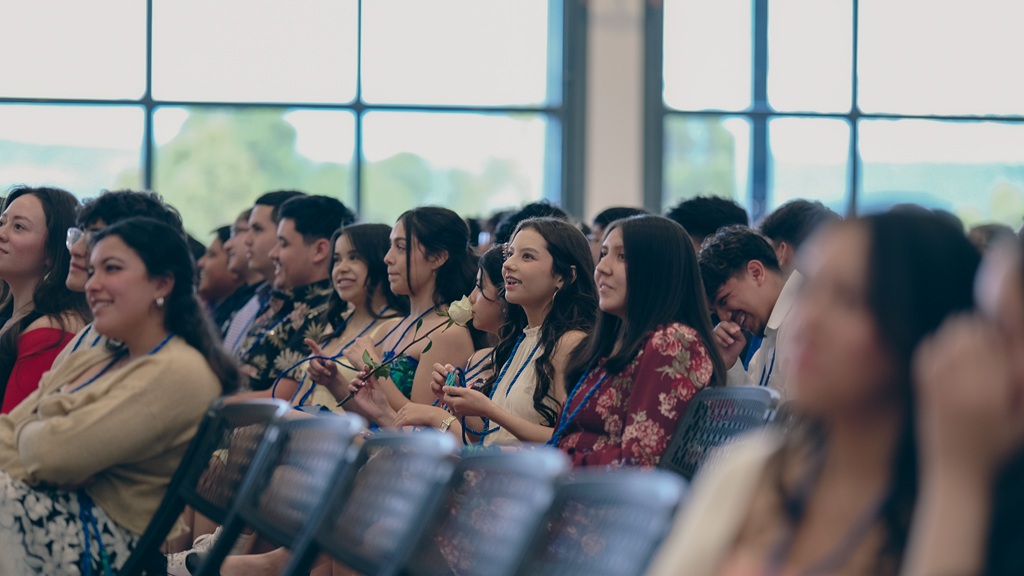
Roaring Fork PreCollegiate (PreCollegiate), a college access program serving students in grades 7–12, helps first-generation youth in Colorado’s Roaring Fork Valley prepare for and succeed in higher education. Working within the local public school system, PreCollegiate guides students through six years of scaffolded programming that includes mentoring, immersive summer college experiences, family engagement, and long-term academic planning.
As a Kars4Kids small grant recipient, Roaring Fork PreCollegiate stood out to us for its impressive outcomes—including a 100% high school graduation rate and a 99% college matriculation rate. We spoke with Programming Director Alexandra Braeger to learn how PreCollegiate is helping students chart a clear, confident path to college—and what’s ahead for the program’s next chapter.
Kars4Kids: You work with scholars from the Roaring Fork school district. Can you tell us something about the youth you serve? How old are they and what do they have in common?
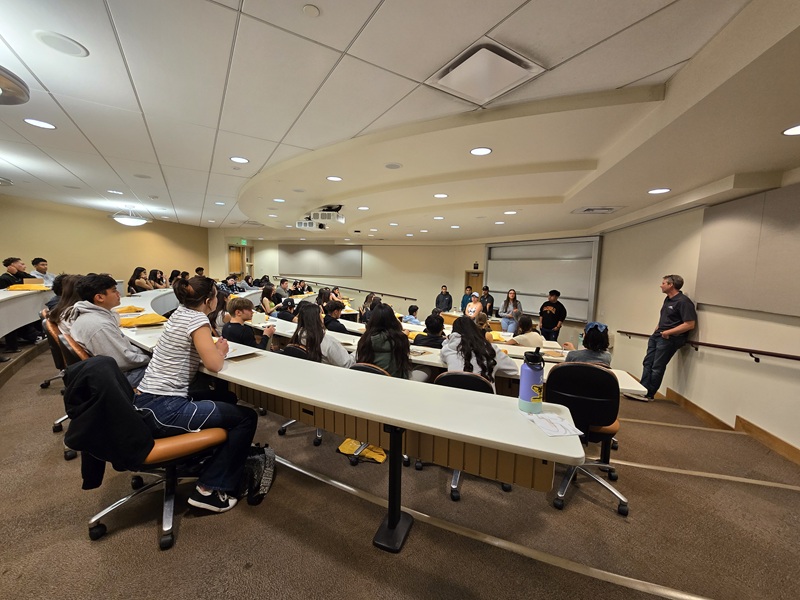
Alexandra Braeger: We serve students in grades 7-12 who attend the public schools in the communities of Basalt, Carbondale, and Glenwood Springs who are first-generation, meaning they will be the first in their families to attend college.
Kars4Kids: PreCollegiate is a “college access” program. What are some of the factors that make college inaccessible to Roaring Fork youth?
Alexandra Braeger: When a student doesn’t have a parent that has been through the college application process or attended college themselves, that student is less likely to have support from home through this process. First-generation students are simply less likely to pursue higher education. Nationally, first-generation students make up almost 40% of the undergraduate college student population and are disproportionately Hispanic/Latino, Black, Native American, and Pacific Islander.
Kars4Kids: You have four main parts to your program. Mentoring is listed first. Why is mentoring so central to your work, and how does it function in practice?
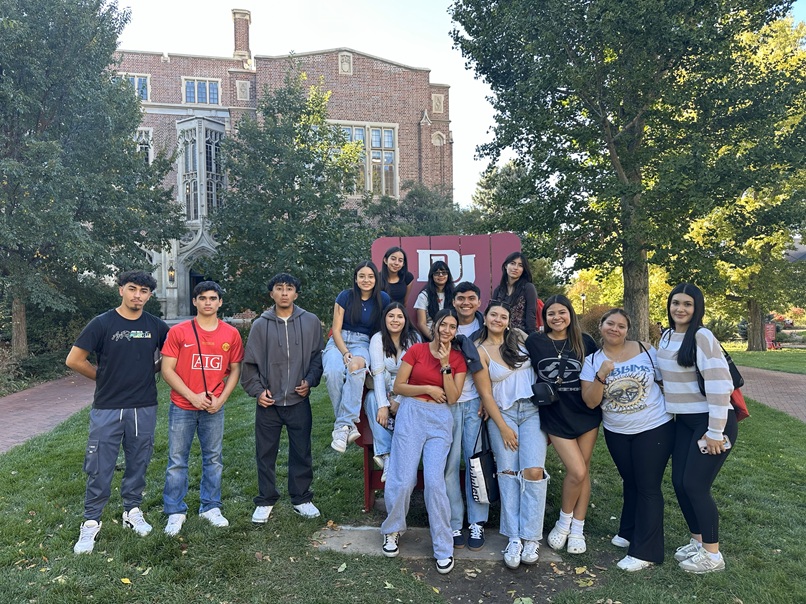
Alexandra Braeger: We focus on mentoring because we want to be just that to our students. We are not their parents, we are not their teachers; we are a consistent, reliable, and trusted adult in their lives that wants them to feel empowered to make the postsecondary choice that is best for them.
Kars4Kids: What is “College Summer?” It sounds like a wonderful opportunity. Can you share what that experience looks like for a student?
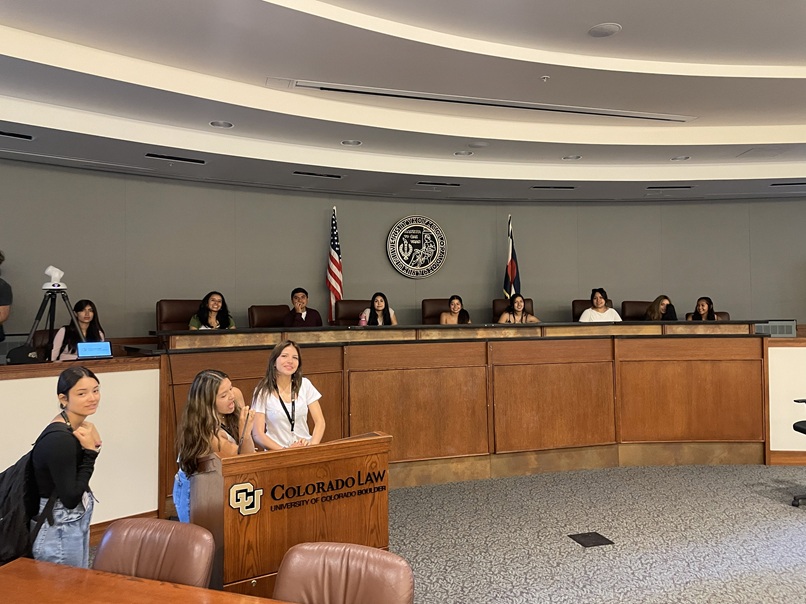
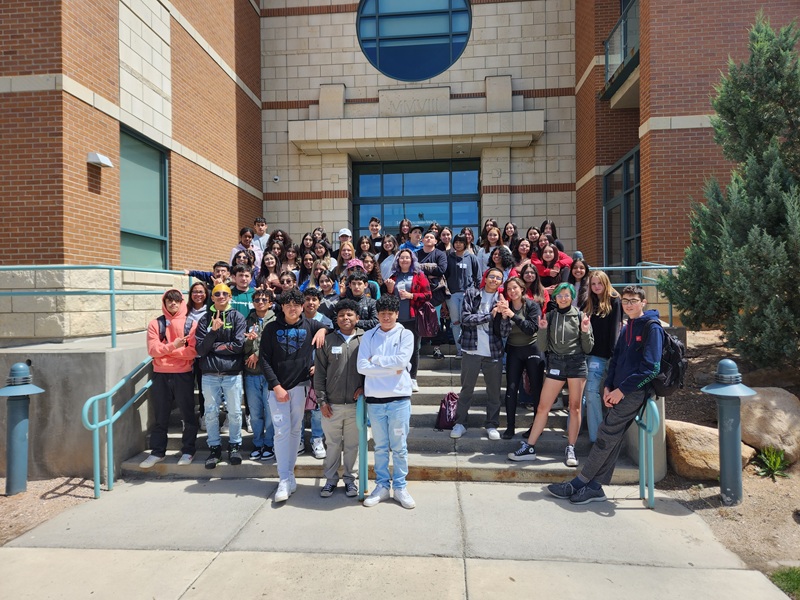
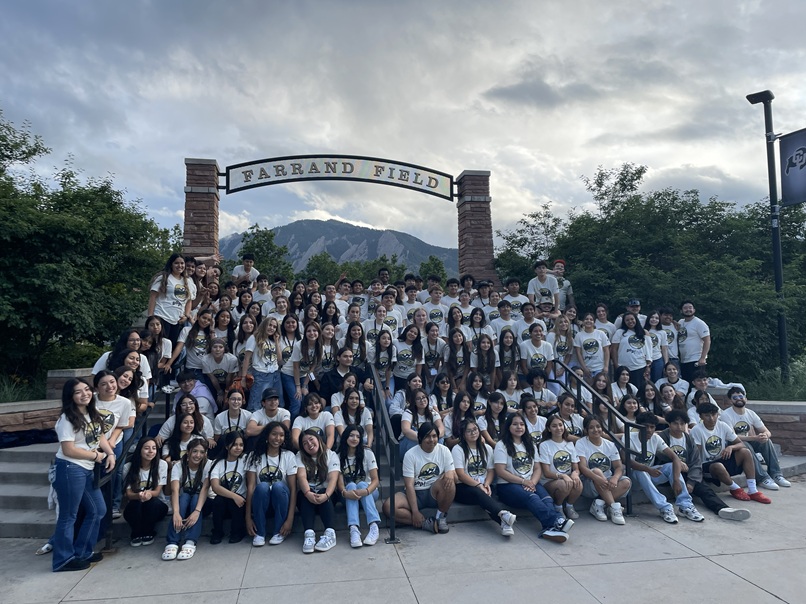
Alexandra Braeger: We offer multiple experiential learning opportunities for our students to explore postsecondary pathways. After 9th grade, all PreCollegiate students attend a day program at Colorado Mountain College, touring the campus, learning about the certificate programs/associate’s degrees/and bachelor’s degree options, as well as engaging in workshops to begin exploring what it means to be first-generation. After 10th grade, all PreCollegiate students attend an overnight experience at Colorado Mesa University, once again touring both the campus and their partner school – CMU Tech and learning about the differences between trade and traditional degree pathways. The capstone of our college summer experiences is after 11th grade, where all PreCollegiate students spend 2 weeks at the University of Colorado, Boulder. There, they live in the dorms, eat in the dining halls, attend college classes in areas of interest – like law, business, engineering, art, etc. This is when our students begin to envision themselves on a college campus.
Kars4Kids: Parent engagement is also a part of what you offer at PreCollegiate. What do you offer the parents and how does this support your scholars?
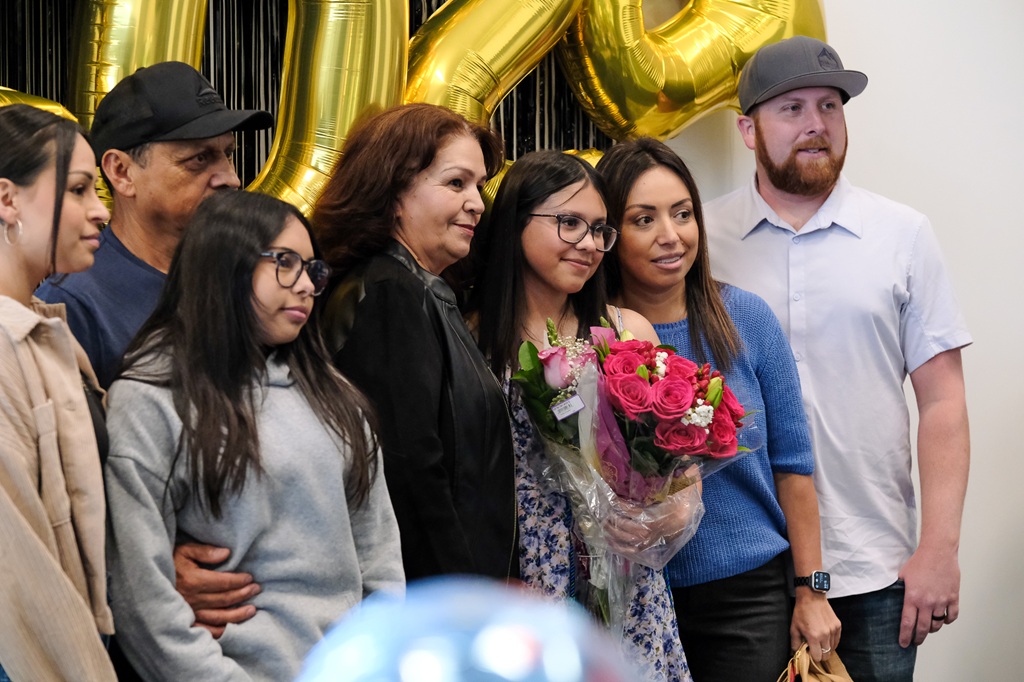
Alexandra Braeger: Because our parent community is also new to the college process, we offer multiple workshops for them to teach about the college application process and financial aid. These workshops not only cover the logistics of the process itself, but also how to best set themselves up to maximize their potential for the most financial assistance. One of our strategic planning initiatives is to increase our parent engagement, so we are currently exploring the best ways to do that.
Kars4Kids: How do you get 7th graders to think about college? Can you break down for us the PreCollegiate program goals per grade? How do you lead these scholars toward the ultimate goal of going to (and staying in) college?
Alexandra Braeger: Our programming is scaffolded based on the age of the student and is meant to build over time. That is why we hope for as many of our participants as possible to begin with us in 7th grade. Here are the topics we focus on each year:
7th grade – early college exploration – we gamify our curriculum to best engage middle schoolers and we purposefully incorporate vocabulary about college into those games.
8th grade – high school planning and transitioning – there is a difference in grading and expectations once a student enters high school, and we want PreCollegiate students to be prepared so they can be most successful and understand that their academic performance in early high school matters on their college applications.
9th grade – goal setting and exploration – we want students to start thinking about their short and long term goals, and examine the four-year high school planning they need to accomplish those goals. We explore different types of careers and higher education choices.
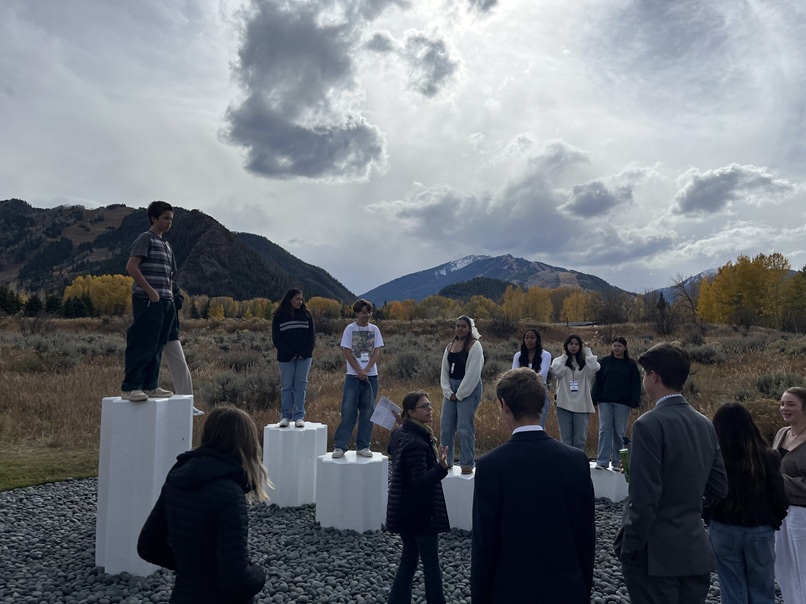
10th grade – school and community involvement – we want PreCollegiate students to be active members of their own communities, and, in the end, be changemakers for their communities. Our 10th grade students all engage in a student-planned and -led community service project and begin exploring other extracurricular opportunities that are available to them.
11th grade – college and career exploration – 11th grade students are intentionally working on building college lists, exploring various postsecondary pathways, and beginning early planning for their senior year, like what documents will be needed for financial aid and scholarship applications.
12th grade – college, financial aid, and scholarship applications – 12th grade is spent on the work itself – helping students apply to and find aid at a variety of postsecondary options.
Kars4Kids: Can you tell us something about your impact? Do all PreCollegiate scholars graduate high school? How many PreCollegiate scholars did you serve during the 24–25 school year? What percentage of your seniors got into college?
Alexandra Braeger: Our success is immediately apparent by our impact measures. Since our inception, we have achieved a 100% high school graduation rate, a 99% college matriculation rate, and an 82% college completion rate – well over the national average for first-generation students with similar demographics. Our graduating class of 2025 received 444 college acceptances, with every student admitted to a four-year institution, and $295,550 in local scholarships.
Kars4Kids: How do you recruit your students?
Alexandra Braeger: We work closely with the school counselors at each of the schools we serve to identify students that are not only first-generation, but considered highly-motivated – meaning they have expressed the desire to pursue higher education in some form after high school. We advertise heavily in the school and district newsletters, offer information nights at each school, and application workshops at each school to apply into our program. While we recruit heavily in middle school because we believe that our program is most meaningful when a student participates all six years, we enroll students up until 11th grade, when capacity allows.
Kars4Kids: PreCollegiate is free, right? How do you manage to provide such a rich experience for so many youth?
Alexandra Braeger: Correct, all programming, including our summer experiences, are offered at no-charge to our students/families. Considering the majority of our students are on free/reduced lunch and/or are Pell Grant eligible, this is a necessity. We are embedded within the Roaring Fork School District and are lucky to have the district provide approximately 30% of our operating budget each year; however, we must rely on private philanthropy and grant funding streams to cover the rest. We, like most nonprofits, must continuously expand our revenue streams to ensure we can continue to operate at our current capacity.
Kars4Kids: Do you have any plans for the future? You know what they say, “If it ain’t broke, don’t fix it,” and PreCollegiate is getting results. But perhaps PreCollegiate, like its scholars, has its own goals for the future?
Alexandra Braeger: We are currently in our 23rd year, and although PreCollegiate has seen changes based on the demographics and needs of our community, we feel strongly that our core mission is successful in its impact. We do, however, have goals to enhance our programming. We are currently in the midst of attempting to re-engage our 1,000+ alumni as well as focusing on incorporating student/alumni voice into our programming decisions. As mentioned earlier, we also want to focus on expanding and deepening our parent programming and are looking for ways to connect with and celebrate our parent community.