Budo Accelerator: Where Martial Arts Meets Leadership and Opportunity
Budo Accelerator is redefining what martial arts training can accomplish for young people from disadvantaged backgrounds. Through a model that integrates physical discipline with leadership development, mental health literacy, and structured mentorship, the organization equips high school and college students with the skills and social capital necessary for long-term success. More than 90% of participants come from low-income or first-generation college backgrounds, and the program removes financial barriers through scholarships, transportation support, and uniforms.
What distinguishes Budo Accelerator is its deliberate fusion of dojo training with an accredited leadership curriculum and a national mentor network. Students practice resilience, communication, and critical thinking under pressure, then apply those skills in academic and professional settings. With graduation and persistence rates far exceeding national averages for first-generation students, the model demonstrates measurable impact.
Kars4Kids awarded Budo Accelerator a small grant in recognition of its innovative approach to advancing opportunity and economic mobility for underserved youth. We put some questions to Budo Accelerator Development Manager Wes Jarrell to find out more about this work.
Kars4Kids: Who is the typical Budo Accelerator participant? What challenges do the young people you serve face, and how does Budo make participation accessible to them? How does this work advance your mission of creating opportunity and economic mobility?
Wes Jarrell: In our core Martial Arts and Leadership Program, we serve high school and college students, primarily from disadvantaged backgrounds. Over 90% come from low-income and / or first-generation college backgrounds (first in their family to attend college).
These students have the drive to succeed, but they don’t always have the social networks, mentors, access, or opportunities that students from more affluent backgrounds have. To ensure true accessibility for our programs, we provide full scholarships for the program, martial arts uniforms, as well as funding a carpool network and transportation assistance.
To date, we’re reached over 1,000 youth with our programs. More than 90% report gains in confidence, self-regulation, and stress management, and our first-gen college students continue to graduate at a rate significantly higher than the national average.
Kars4Kids: What distinguishes Budo Accelerator from traditional martial arts programs? How does your approach translate into measurable or observable outcomes for participants?
Wes Jarrell: Many people understand that martial arts can be a powerful tool for personal development. And while it’s true that martial arts training builds the attributes required to succeed in life, practitioners often have a hard time applying that to the outside world.
Our program is unique in that we integrate a life and leadership skills curriculum, along with a mentoring system, so our students build not only the attributes to excel in life, but the tools and techniques to apply them in their daily lives – personally, academically, and professionally.
Our leadership-based curriculum, developed by experts in education, psychology, and martial arts, and accredited through UC Irvine, blends physical training with leadership theory, mental health literacy, and practical skills like critical thinking, networking, and assertive communication. Students don’t just learn skills, they practice them under stress, in a supportive setting, with real-time feedback from mentors and peers.
Our primary outcome is academic persistence: 95% of our first-generation college students persist to graduation, compared to a national average of 45%. We also track mental health, career readiness, leadership skill development, and more. 90% of our students report measurable improvements in emotional regulation and stress management, and 92% leave our program with good or great career knowledge.

Kars4Kids: You work with both high school and college students. What developmental needs are most pressing at these stages, and how does your program address them?
Wes Jarrell: For high schoolers, the most pressing need is building the self-efficacy and resilience required for the transition to a university or professional environment. Martial arts are difficult, and learning new skills and body awareness takes time and repetition. Learning to experience “failure” through the martial arts is an important step for developing resilience and confidence for future challenges.
For college students, the challenge is often communication and leadership skills and a lack of social capital. They have the academic ability, but they lack the professional networks required for upward mobility. We address this by showing students how their leadership training from the mat can translate to the professional world, focusing on “career readiness” and connecting them with high-level professional networks and leadership experiences that would otherwise be inaccessible to them.
Kars4Kids: Mentorship appears to be central to Budo Accelerator’s model. How is mentoring integrated into your programming, and what qualities or qualifications do you look for in a Budo Accelerator mentor?
Wes Jarrell: We match our eligible college students with vetted professionals from a wide range of fields, including tech, engineering, education, law enforcement, executive leadership, and more. All our mentors share a common thread in being martial arts enthusiasts. This provides a great initial “icebreaker” for our students when they first meet a mentor. When a student sees a high-level executive training the same techniques and valuing the same skills as themselves, it humanizes success and makes it feel attainable.
Along with background checks, safety, and mentorship preparation, we prioritize mentors who can help bridge the “social capital gap” for our first-generation students, providing not just advice, but the direct networking and professional “navigational skills” required to succeed in competitive career paths. We don’t want “mentorship” to be some abstract thing where you just trade emails once a month.
Kars4Kids: How did the Budo Accelerator curriculum evolve? Who contributed to its development, and what are the core components that define the learning experience?
Wes Jarrell: Our curriculum is designed by experts in martial arts, education, and psychology and academically accredited through UC Irvine.
It all started with our CEO and Co-Founder, Josh Gold, a 5th degree black belt in Aikido. He has over 30 years of martial arts experience and is a notable speaker on Aikido, having led presentations and discussions for Fortune 500 companies and at premier events and idea festivals.
Earlier in his career, Josh built over 15 years of entrepreneurial and executive management experience in the technology sector, having founded a series of start-ups and led special projects for clients such as Intel, Sony, Disney, and Formula One.
In late 2019, after building a friendship through the martial arts, Josh co-founded Budo Accelerator along with Mark Tercek, former CEO of The Nature Conservancy, the world’s largest environmental nonprofit. They shared a belief that the lessons learned on the mat could transform lives far beyond it.
Our curriculum was developed by a team of subject matter experts, including Josh and Mark, and psychologists like Dr. Ania Small, an expert in MSBR and behavioral medicine related to anxiety and depression, and Ellis Amdur, a clinical psychologist who has done work related to crisis intervention and hostage negotiation. Additionally, Michael Dennin, Vice Provost and Dean of Undergraduate Education played an integral part in helping to develop the curriculum.
The core curriculum is centered around four key pillars: Self-insight (knowledge of self), Perspective taking (understanding others), Autonomy (succeeding independently), and Collaboration (succeeding in a group). Within those four categories, we have around 30 modules covering specific skills and topics. Things like non-verbal communication, critical thinking, how to engage with mentors, time management, etc.
Kars4Kids: As you mentioned, your leadership training program is accredited by the University of California, Irvine. What does that accreditation represent in practical terms for your students?
Wes Jarrell: In practical terms, this accreditation turns the dojo into a university classroom. It allows our college students to earn transferable university credit for their work in our program. Many of the skills we teach, resilience, confidence, assertive communication, social capital, networking, and more, are often not taught in traditional classes. Earning college credit is a powerful validator of the academic value of our program and the critical skills students learn.
Kars4Kids: Budo incorporates multiple martial arts disciplines. Which styles are included in your training, and how do they complement one another within your broader leadership framework?
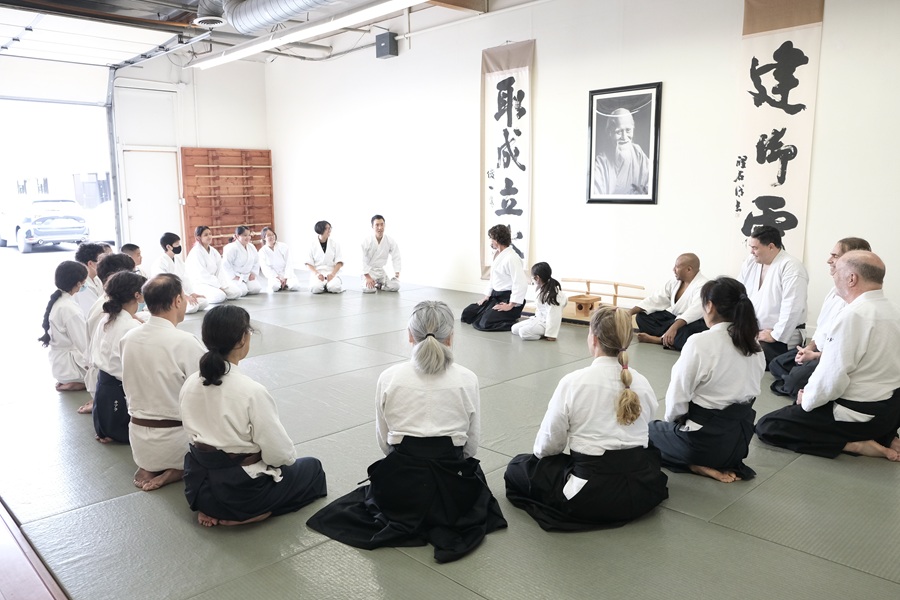
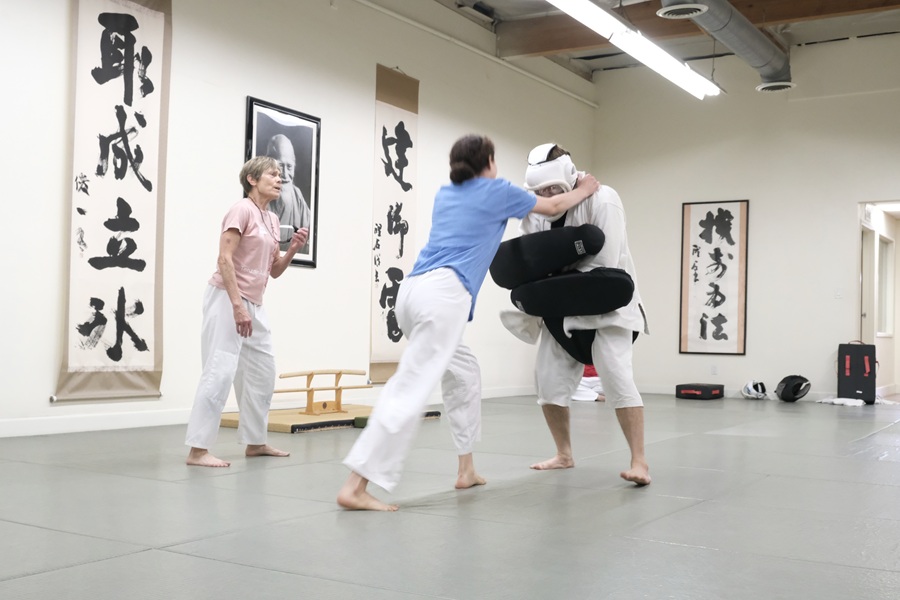
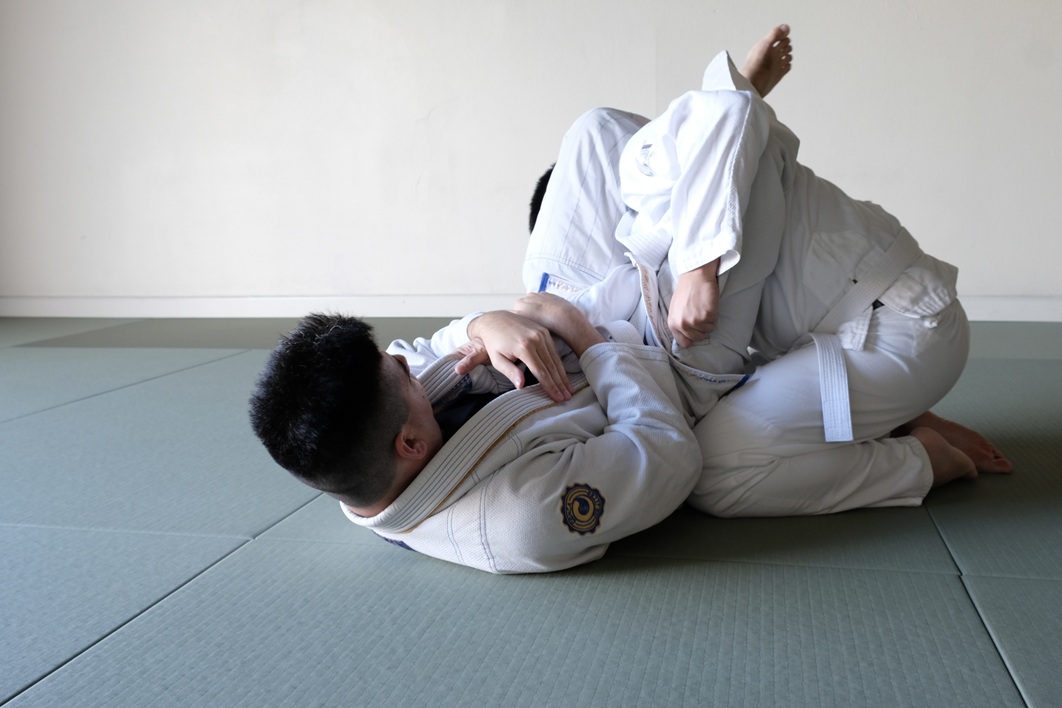
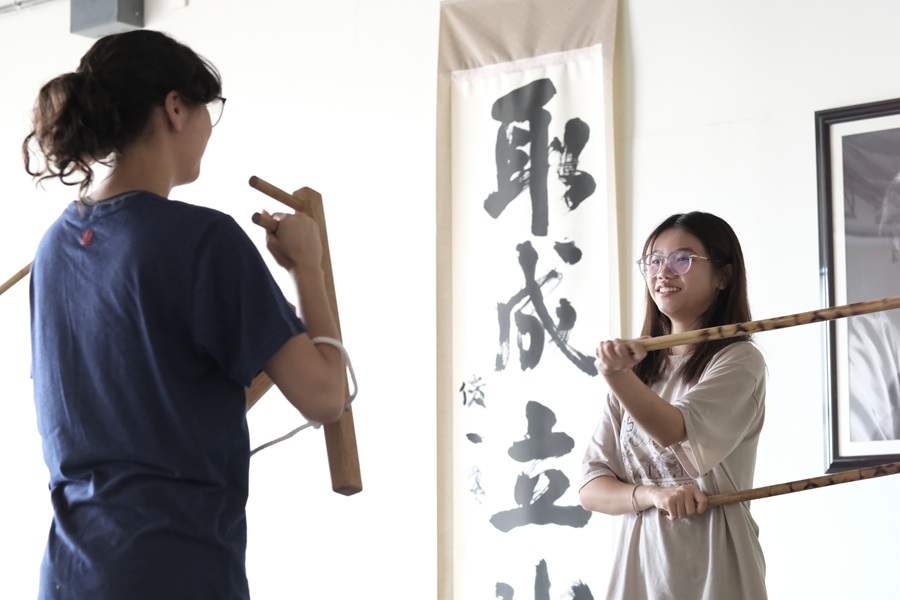
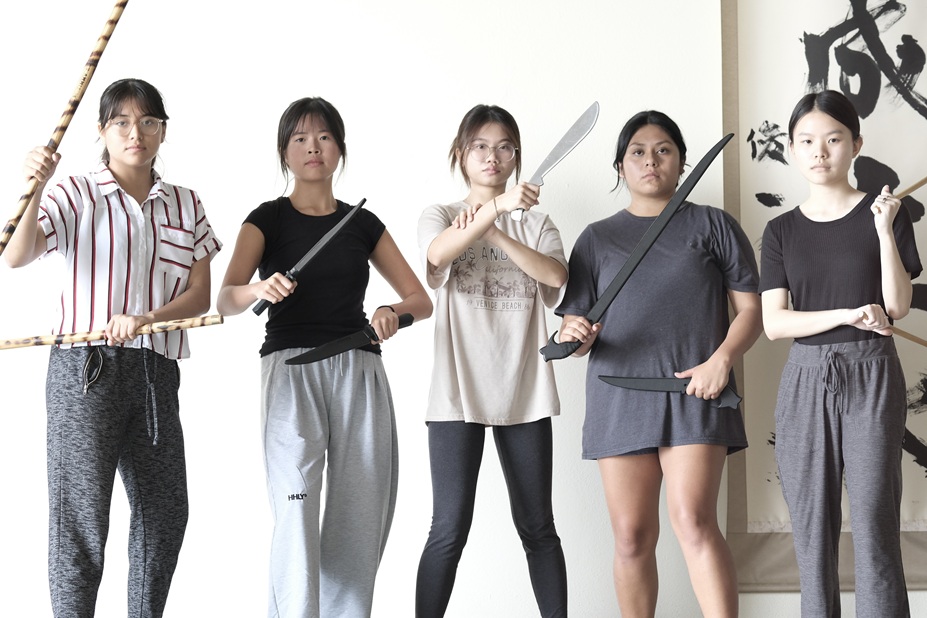
Wes Jarrell: We currently integrate Aikido, Brazilian Jiu-Jitsu (BJJ), Filipino Kali, and basic Self-Defense principles. Aikido, a traditional Japanese martial art, is great for learning how to fall, cooperating with a partner, and conflict de-escalation, teaching students to resolve tension without aggression. Brazilian Jiu Jitsu, a more combat-sport-oriented martial art, is the opposite; it’s very direct, very physical, and forces you to solve problems and manage anxiety when you’re under a lot of pressure. Kali primarily involves working with weapons and focuses on coordination, staying present, and adaptability.
While other programs separate life skills development, mental health, and physical fitness, through martial arts, we collapse these distinctions into a unified experience. This integration is critical: a student cannot put leadership and communication skills into practice without learning to manage anxiety, they can’t access opportunity if they’re isolated, or emotionally dysregulated, and they can’t challenge themselves without resilience and confidence. By building these capacities simultaneously, we help students grow comprehensively and with the necessary skills and attributes to succeed.
Kars4Kids: Building community is an important part of youth development. How does Budo Accelerator foster a strong sense of belonging among participants?
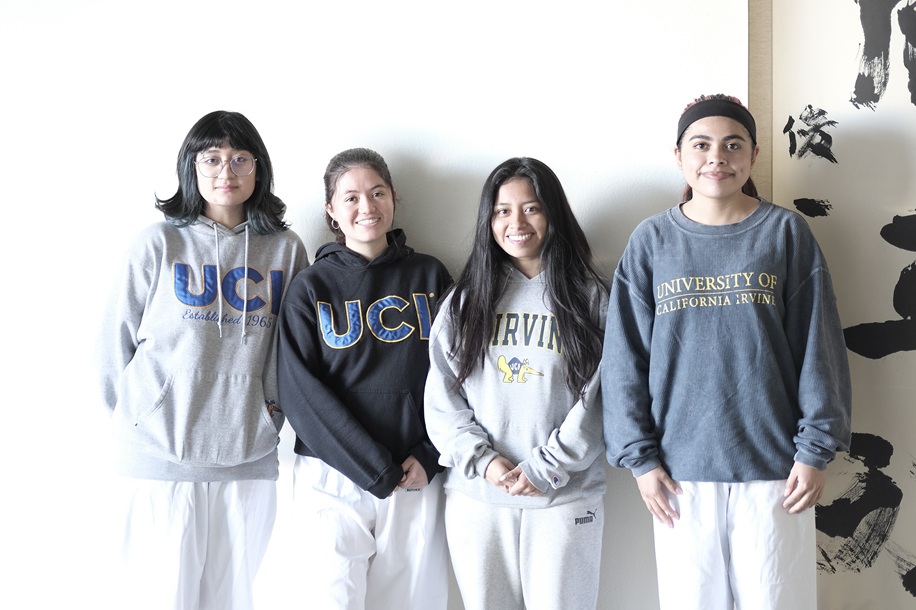
Wes Jarrell: At the dojo, we strive to create a safe, merit-based environment where students are judged solely on their effort and integrity. There’s a deep bond of trust and friendship that forms when you’re training together – both challenging and protecting each other. When they start in our program, our students join a diverse, intergenerational community across in-person and virtual spaces. They train together at our dojo and partner sites, connect with peers on our Discord server, access online curriculum, and for those 18 and over, engage with professionals through our national mentor portal.
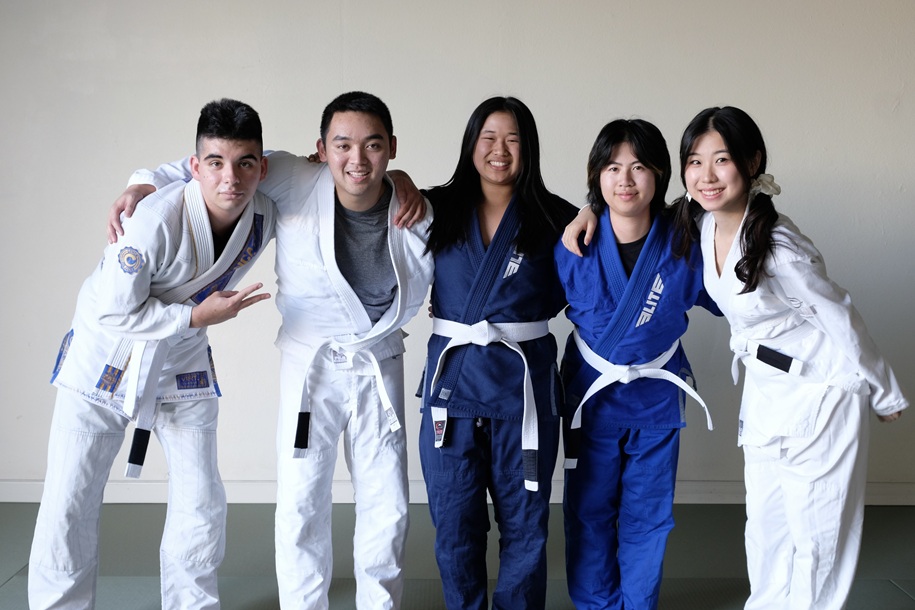
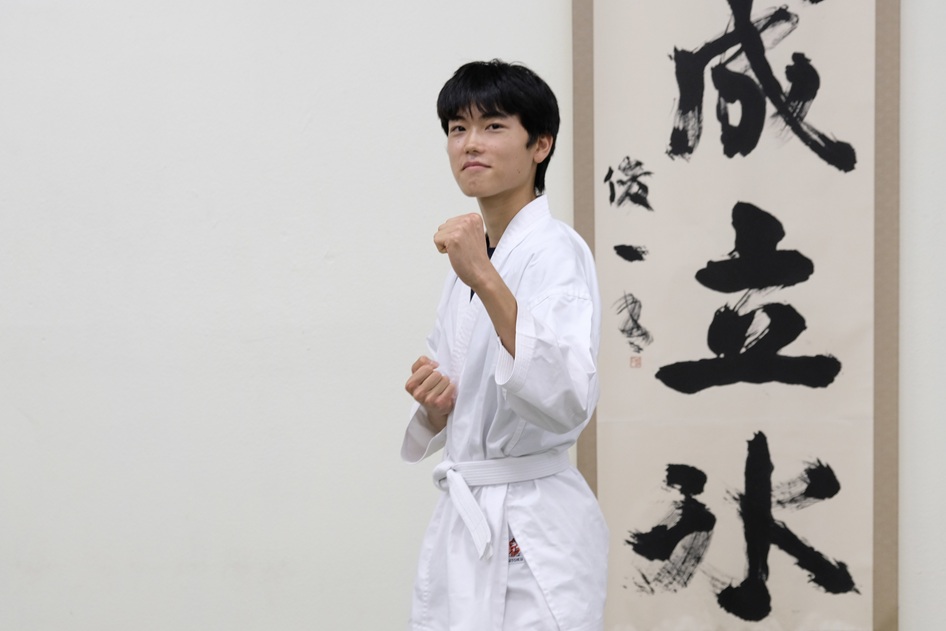
Our martial arts uniforms are also an important part of fostering community. Every student wears the same uniform, removing markers of socio-economic status or background and putting everyone on the same starting level.
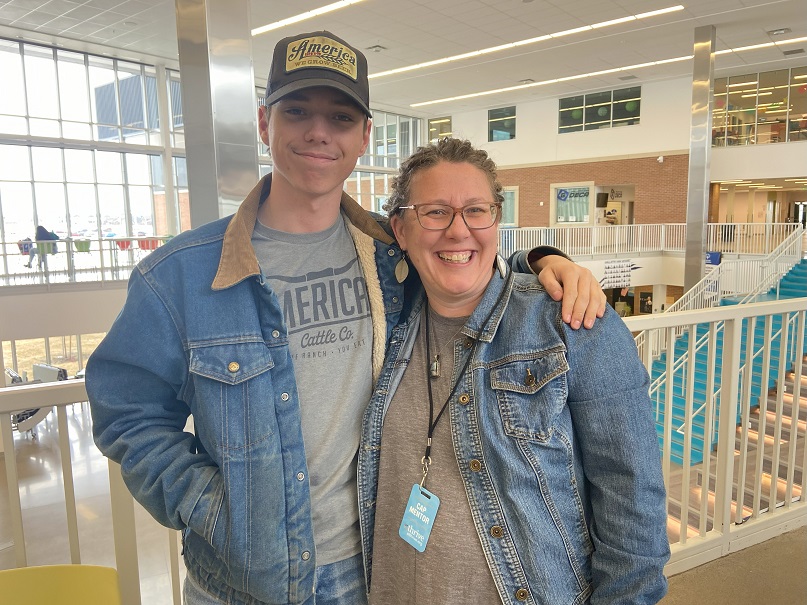
For a lot of these students, the dojo becomes a place to challenge themselves, find the support of friends and mentors, and gain exposure to other cultures and perspectives. Students have met their best friends, connected with life changing mentors, and even found jobs through our community.
Kars4Kids: Can you share a story that illustrates the impact Budo Accelerator has had on a participant’s life?
Wes Jarrell: We had a brilliant student who came to the U.S. as an immigrant, driven by a dream to build a career in the video game industry. She was excelling academically in her college’s video game design major, but her talent wasn’t translating into opportunity. It is a notoriously difficult industry to break into, especially recently, with post-COVID industry-wide layoffs shrinking the job market—and she didn’t have any professional connections in the US.
Through our program, she learned the critical “navigational” skills she was missing: how to actively engage with mentors, the tangible value of building social capital, and how to effectively network. We paired her with a mentor from within our Budo network who works in the industry. Because she now had the tools to maximize that relationship, her mentor eventually offered her an internship. She knocked it out of the park, and after graduating, that internship turned into a full-time job at one of the world’s largest video game publishers. It’s a great example of how combining a student’s hard work with access to social capital can completely change their trajectory.
Kars4Kids: Looking ahead, what is your vision for the future of Budo Accelerator?
Wes Jarrell: We’ve seen the impact our program has on students in Orange County, our vision is to scale this model to be able to serve more students nationally. We’re going to be pilot testing a new expansion model for Budo Accelerator this year. Instead of us having to build or partner with a dojo in every city, we want to provide scholarships for kids to train at their local martial arts schools, while we provide the leadership curriculum, community, and the national mentor network through our digital platform. We are moving away from the structural constraints of owning individual facilities and toward an “asset-light” model that can reach students in any zip code. Our goal is to serve 10,000 annually. We want to leverage technology to deliver our UCI-vetted curriculum and national mentor network to every student who needs it. We want “Budo Scholar” to be a title that opens doors for these kids for the rest of their lives.